If the sidewalks are too hostile to walk at noon, if buying dinner means having to drive somewhere else, if traffic turns a short trip into an hour, or if public spaces feel like they belong only to a few, then growth can feel distant from daily life.
That is the lesson guiding the Bases Conversion and Development Authority (BCDA) as it updates the master plans of two of its most recognizable estates: Bonifacio Global City and Camp John Hay.
BCDA is doubling down on its formula for this year: building places where people can thrive and letting sustainable growth follow. For BCDA, which is coming off a 20-percent increase in revenues in 2025, growth as of late was largely driven by continuing momentum across its estates and partnerships.

SGV & Co. tapped
The BCDA sought to update the master development plan of Bonifacio Global City (BGC) with SyCip Gorres Velayo & Co. (SGV & Co.) to address concerns over livability and traffic congestion with a people-first approach to urban planning.
The BCDA is also conducting a review of its master plan to modernize Camp John Hay in Baguio City with more public parks, improved roads, and better pedestrian lanes.
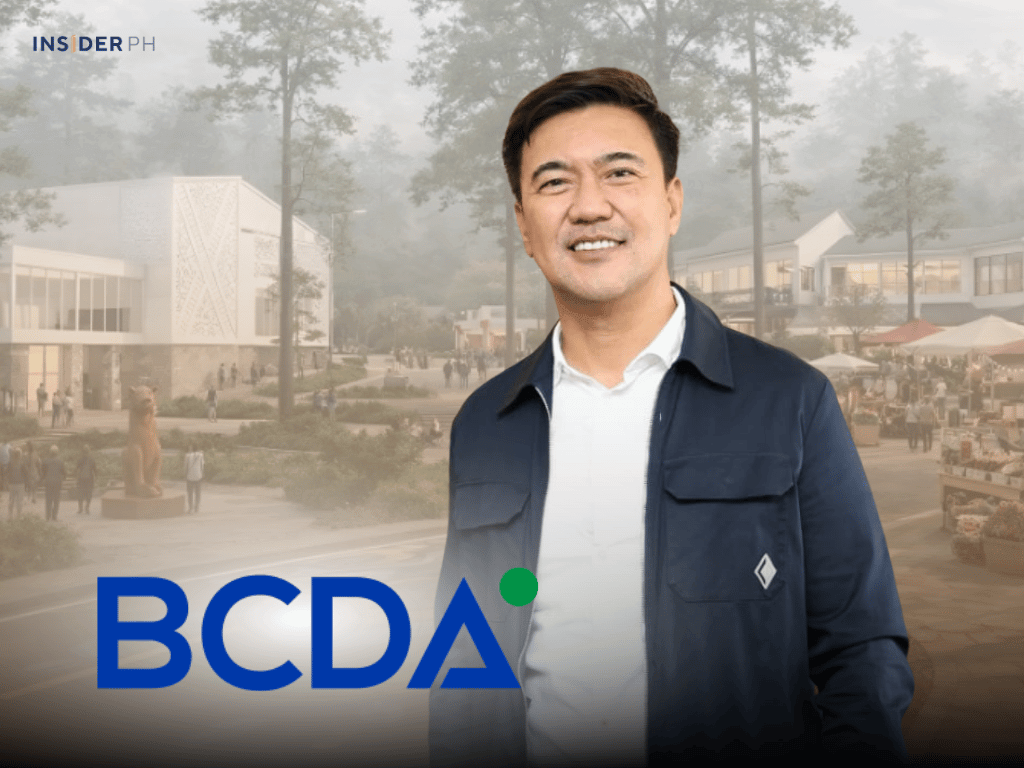
“When you take care of people, development follows,” BCDA President and CEO Engr. Joshua M. Bingcang said of the BCDA’s approach towards the twin masterplans.
“Our approach has always been to come up with livable spaces where Filipinos can thrive in their everyday routines.”
For the coming year, BCDA said it intends to sustain that trajectory not only through commercial activity, but through disciplined land stewardship and higher-quality urban environments built with people in mind.
Lessons learned
In its infancy stage, the original masterplan for BGC was marked by a grid-based roadmap structure to support existing road networks in Metro Manila. But Bingcang noted that some of this focus has shifted over time as problems with congestion arose.
But as it stands, the experience of BGC residents and visitors alike is one of cars. Many have to take private motor vehicles in and around the central business district as these have become the most comfortable means of getting around.
“Our approach to development is always mixed-use. Livability means being able to live, work, play, learn, and earn in the area. If an area is residential, there should be a commercial area as well so residents don’t have to go far to buy groceries,” Bingcang said.
One lesson learned through the years was the need to reckon with the reality of limited road capacity in an increasingly urbanizing metro. Engr. Bingcang said the updated masterplan will focus on addressing congestion by improving walkability, linking open spaces, and strengthening public transport connectivity inside and beyond the district.
“BGC is already ahead of many central business districts in terms of walkability, but there is still room to improve how spaces connect to each other and how people move comfortably without relying too much on cars,” Bingcang said.
Shift from traditional approach
Nick Espina, urban planner of the project, said the development strategy will move away from the traditional approach of widening roads, and instead focus on safer, smoother, and more efficient mobility across BGC.
“Rather than expanding road capacity, the focus is on enabling shorter trips, improving mode choices, and creating safer streets. Traffic surveys and ongoing transport studies inform the design of street typologies, junctions, and road diet interventions, alongside phased strategies for pedestrianization and superblock development,” he said.
SGV & Co. also said small but practical improvements matter in shaping daily experience, from more shaded walkways and water fountains to more affordable food options and active public spaces. Among the concepts being studied are expanded pedestrian corridors, road diet interventions, and stronger connections to surrounding business centers.
These should make it so any Filipino can explore what BGC has to offer whether or not they have a private car at their disposal.
Leading the formulation of the updated master development plan, master planner Michael Koks said: “Designing for ordinary Filipinos means making BGC inclusive for workers, service staff, students, and families, alongside office tenants and BGC residents. Streets, parks, and public spaces are designed to remain free, safe, and highly usable. The plan should acknowledge how Filipinos inhabit and activate space, integrating flexible retail options, community markets, and everyday commercial offerings.”
A Camp John Hay for everyone
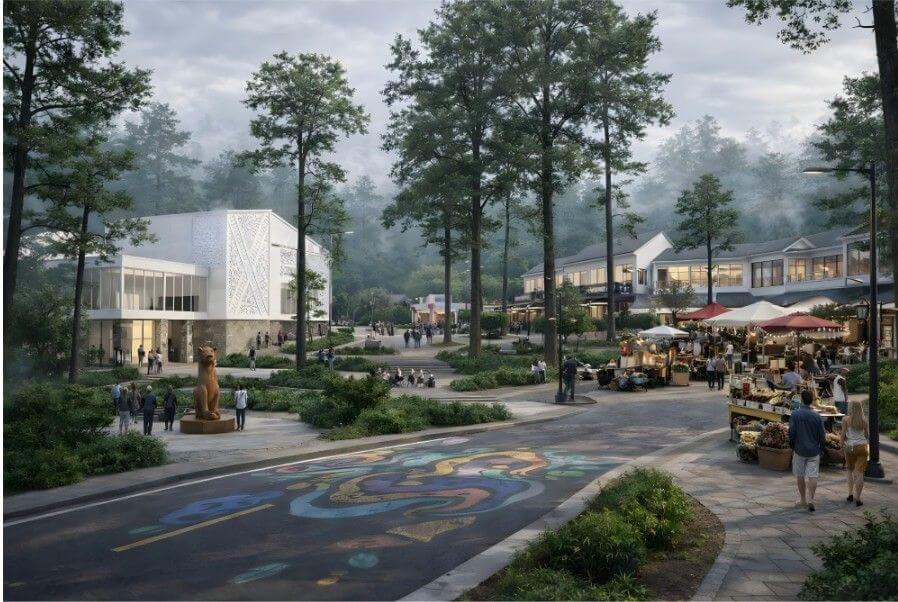
In Baguio, BCDA’s new Comprehensive Master Development Plan for Camp John Hay takes a different but equally people-centered approach. While known as a tourism estate with many areas for shopping, the new masterplan envisions Camp John Hay as a place where visitors can walk around, be one with nature, and enjoy the cold.
The BCDA also said that the Comprehensive Master Development Plan for Camp John Hay follows strict sustainability benchmarks. This includes ecosystem conservation, water and waste management, and heritage and cultural preservation.
New development areas are being studied mostly in flatter or open plains, while the majority of forested areas are intended for protection and low-impact use.
“The developments that we will be introducing are mostly in the flat areas and areas without pine trees. The very least — very minimal effects on the forests. Those are what we picked to develop. We retained the majority of the pine trees,” Bingcang said.
Ecosystem conservation
According to PDP + Architecture, the plan will prioritize ecosystem conservation and heritage preservation as it builds accessible public amenities, including a John Hay Museum and a public sports facility to enhance tourism. Also being explored is a cable car system to bring the camp closer to Filipinos.
That could mean better sidewalks, bike-friendly routes, trails, food parks, community spaces, and easier ways for visitors and residents to enjoy the estate beyond hotels or golf facilities.
“For Camp John Hay, 'livable' means designing a place where people can move, gather, and enjoy daily life safely, comfortably, and sustainably, while respecting the site’s natural and historical character,” the firm said in a statement.
“By integrating these principles with heritage preservation and climate-resilient strategies, Camp John Hay can become a safe, inclusive, and sustainable destination that enriches everyday life.”
Revenue through responsible development
BCDA said both masterplans reflect a broader lesson from decades of estate development: revenue is strongest when places remain relevant, functional, and attractive to people and investors alike.
“Good governance means managing public assets responsibly,” Bingcang said. “If we plan well, build well, and think long-term, these developments continue creating jobs, attracting investments, and generating value for the country.”
From BGC’s next evolution to Camp John Hay’s forest-first future, BCDA’s message is clear: when development works for people, it works for everyone.
Soon, visitors will enjoy walking side by side with their family on an expanded sidewalk. Friends can walk side by side under the cool shade of trees in wide community spaces.
More than anything, the design and implementation of the master plans stand as a testament that Philippine cities can continue to evolve in a smart, people-centric, inclusive, and resilient way. —Ed: Corrie S. Narisma