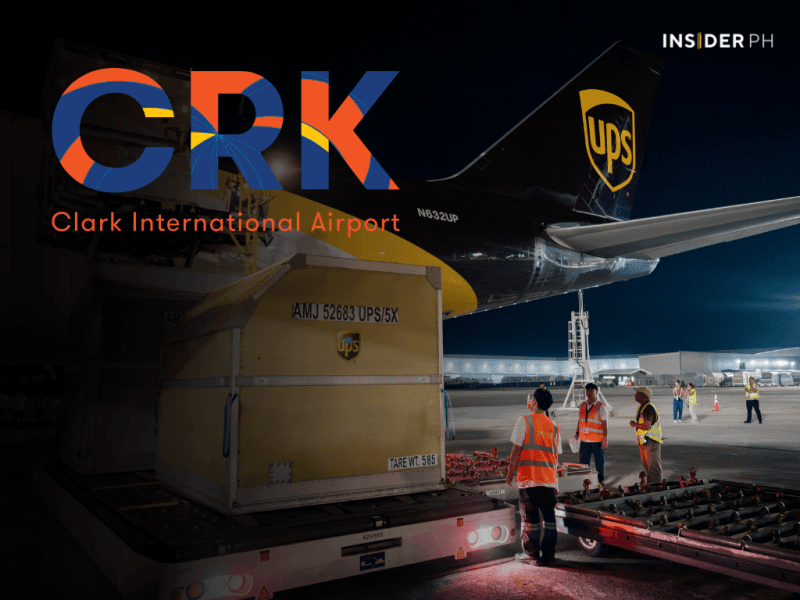
Global logistics company United Parcel Service (UPS) and its longtime Philippine partner, Delbros Group, have scaled up operations at the Clark facility to improve cargo handling efficiency and support the country's growing logistics requirements.
The expansion comes as Philippine businesses face increasing pressure to move goods efficiently across domestic and international markets.
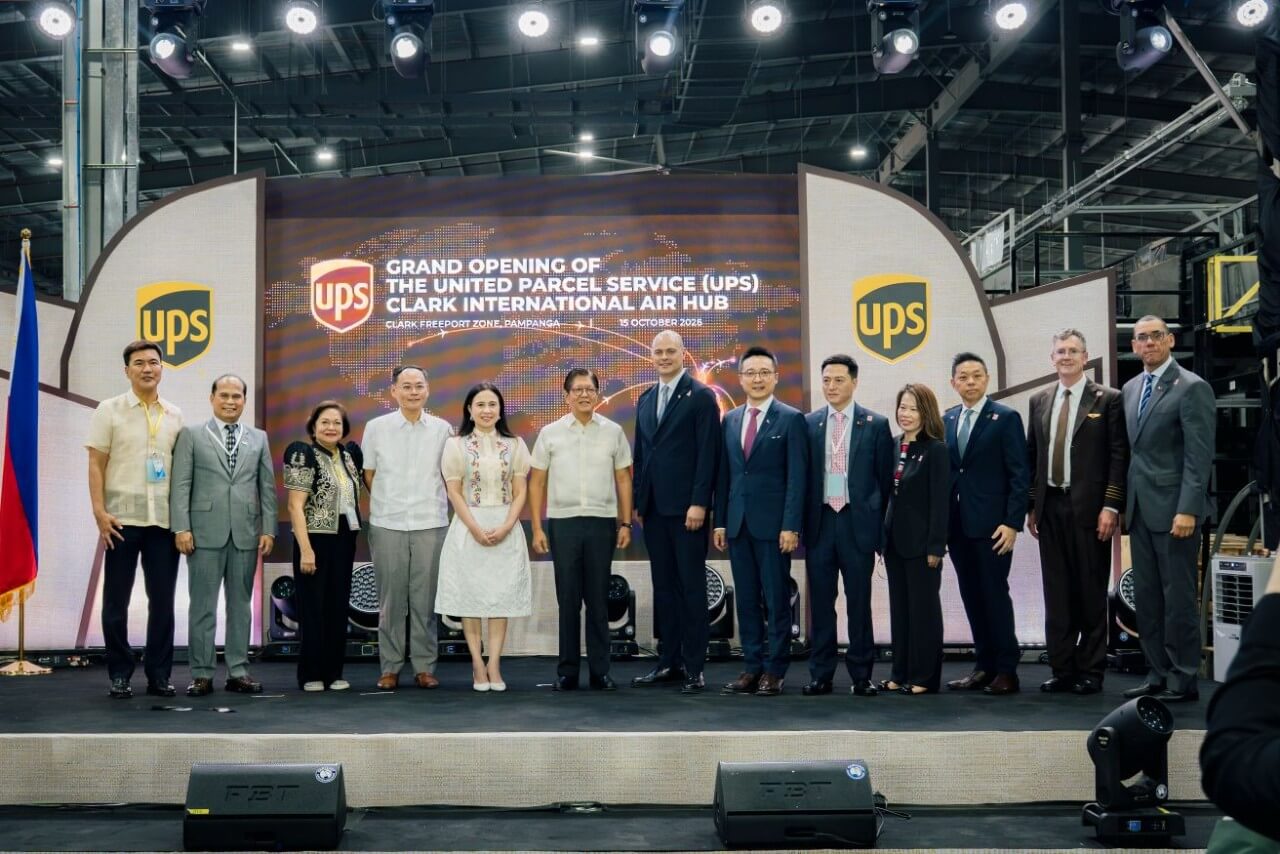
Rising trade demand
Domestic trade reached 60.19 million tons in 2025, with water transport accounting for 53 percent of cargo volume and road transport making up the remaining 47 percent.
The figures underscore the importance of strengthening logistics infrastructure and improving connectivity among ports, airports and inland distribution networks.
Why it matters
The expanded Clark Hub is expected to increase freight handling capacity and strengthen the Philippines' position in regional supply chains.
Clark's strategic location offers opportunities to improve international cargo connections while supporting businesses that depend on reliable and efficient logistics services.
The expansion is also expected to create employment opportunities and support economic activity in surrounding communities.
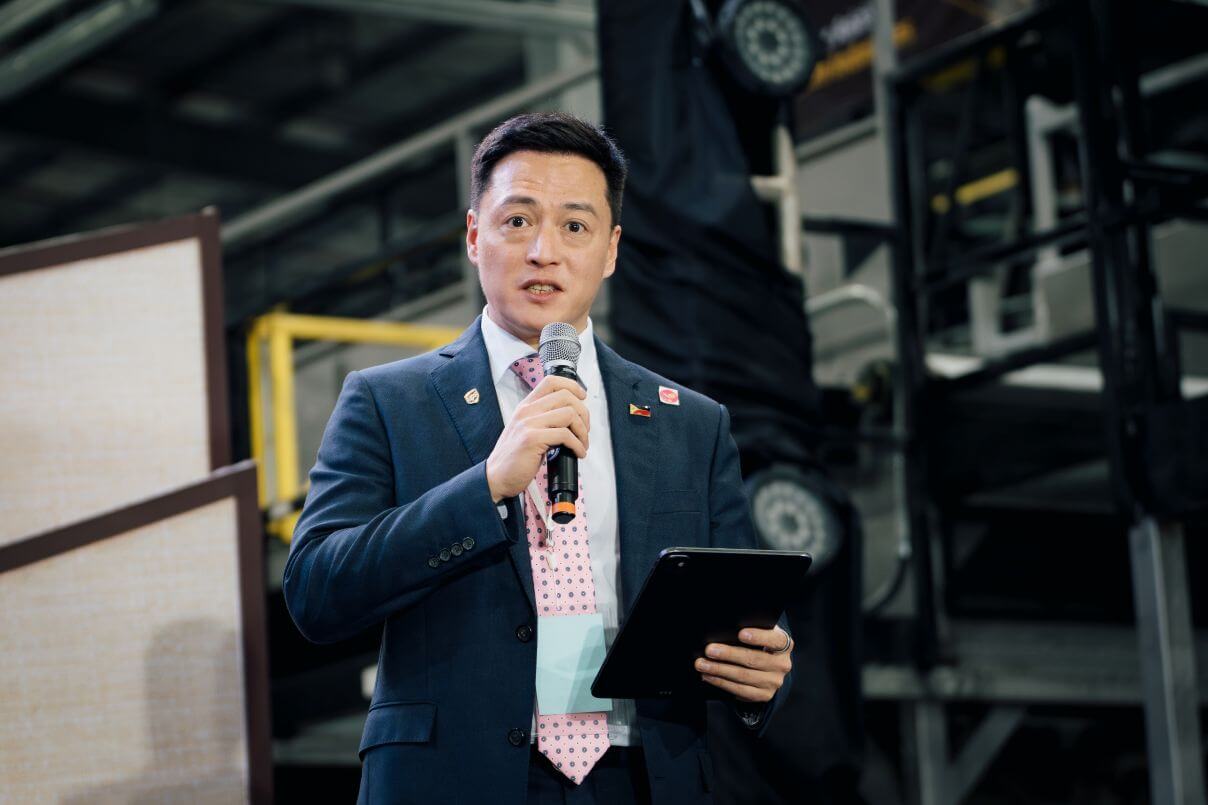
Decades of partnership
The UPS-Delbros partnership dates back to a service agreement in 1988, which evolved into a formal joint venture in 1997.
The companies describe their arrangement as the only remaining joint venture among major global express carriers in the Philippines.
Over nearly three decades, the partnership has helped strengthen logistics infrastructure and connect Philippine enterprises to international markets.
"Our partnership was built on a shared vision of deepening trade links between the Philippines and the rest of the world," said Delbros Group CEO Jose Paolo Delgado in a statement.
"By combining our established domestic networks and local expertise with global capabilities, we can elevate Filipino industries and talent to the international market," he added.
Strengthening connectivity
Founded in 1946, Delbros Group introduced innovations such as floating fuel stations, mechanized pallet handling and containerization to modernize Philippine port operations.
The company subsequently expanded into integrated land, air and sea transportation, alongside ventures in agriculture and technology.
What to watch
As freight volumes increase, investments in multimodal transport networks and regional logistics hubs will become increasingly important to Philippine trade competitiveness.
Delgado said the Clark expansion reflects the partnership's long-term commitment to developing infrastructure capable of meeting increasingly complex supply chain requirements.
"As global trade evolves, our focus remains on building resilient, adaptable infrastructure," he said.
"The Clark expansion is part of a broader mission to ensure Philippine logistics can support complex supply chain demands for decades to come." —Ed: Corrie S. Narisma