Insider Spotlight
The integration allows airlines to transmit flight-related passenger information to immigration authorities before arrivals and departures, giving officials more time to conduct advance screening and prepare for passenger flows.
According to NNIC, the development brings the country’s main aviation gateway closer to faster and more secure processing of travelers.
Why it matters
The passenger data-sharing system is a key component of broader efforts to modernize airport operations and strengthen border management. Early access to passenger information enables authorities to identify potential concerns ahead of time while helping reduce bottlenecks at immigration counters.
NNIC said 11 international airlines have yet to complete full Passenger API connectivity and begin regular transmission of passenger information, based on updates from the Bureau of Immigration. The airport operator noted that full compliance from all carriers is necessary to maximize the effectiveness of the system.
The big picture
The Bureau of Immigration has directed all remaining international airlines operating in the Philippines to complete their Passenger API connections and start full, regular transmission of passenger data by June 30, 2026.
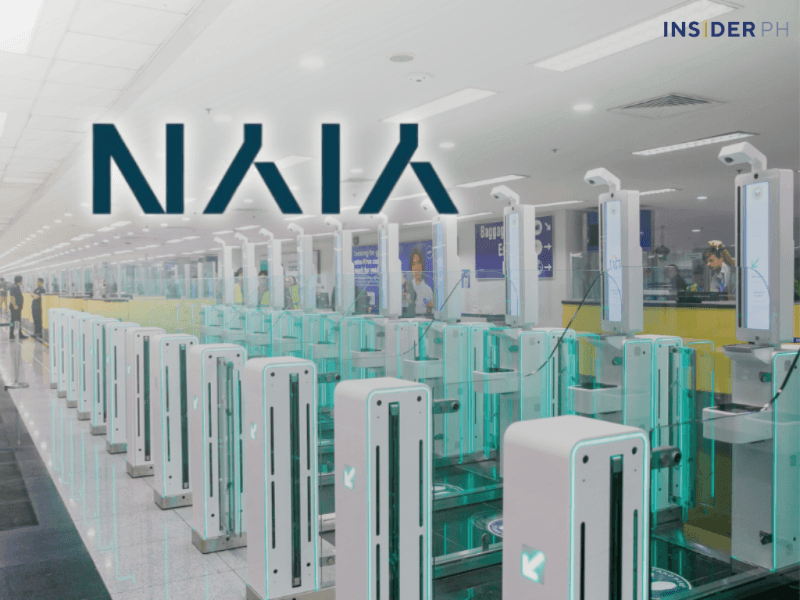
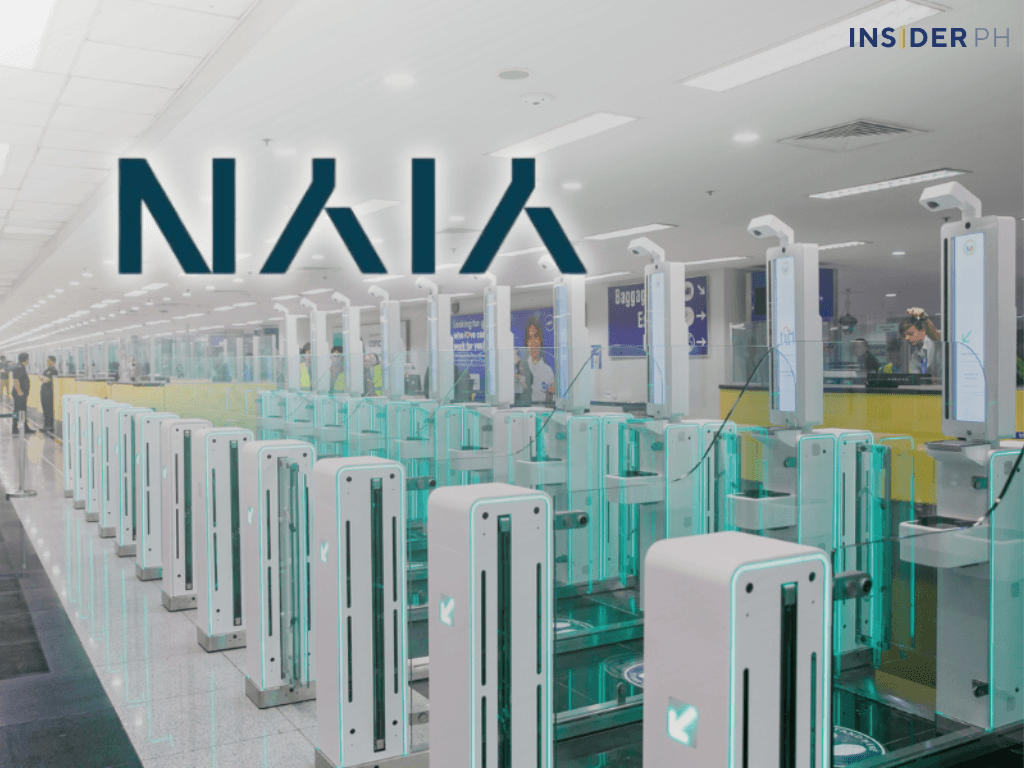
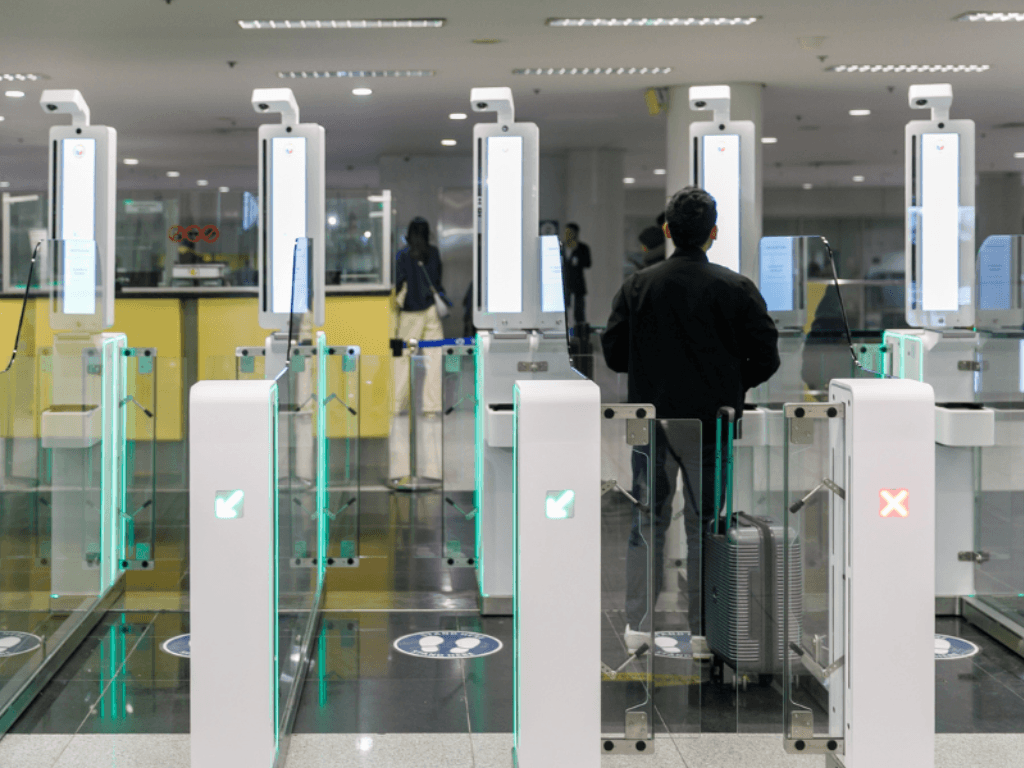
NNIC said broader airline participation would support advance passenger screening, improve processing efficiency, and help expand the use of immigration e-gates deployed at NAIA. The e-gates were procured by the private airport operator as part of the airport’s modernization program.
Looking ahead, NNIC said it will continue coordinating with the Bureau of Immigration, airlines, and other airport stakeholders to support faster, safer, and more efficient passenger processing.
The company added that complete airline integration would help unlock the full benefits of automated border control systems while enhancing the overall travel experience at the country’s primary international gateway. — Daxim L. Lucas| Ed: Corrie S. Narisma