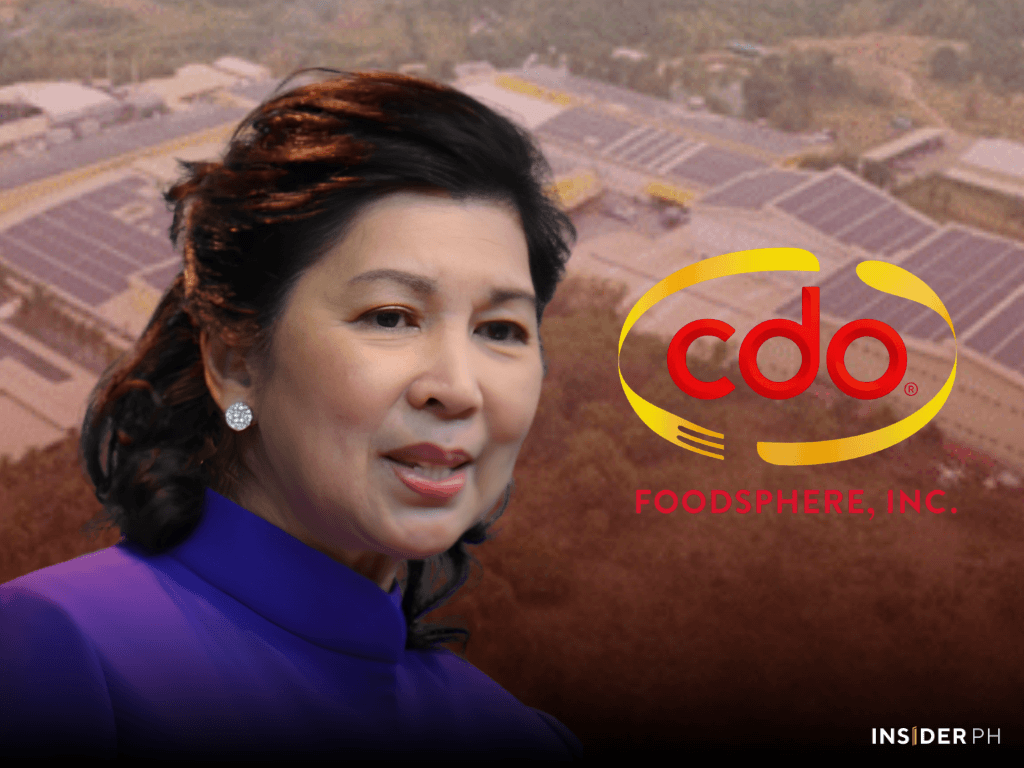
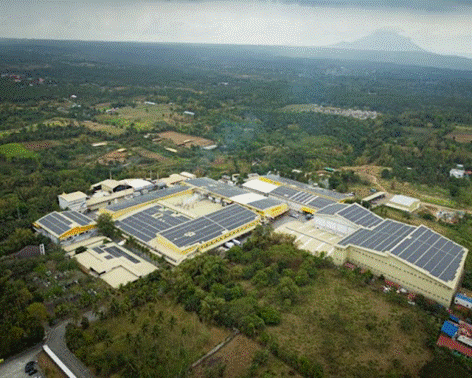
That is a long way from the Valenzuela kitchen where nutritionist-dietitian Corazon Dayro Ong began making her own skinless longganisa and tocino in 1975.
Together with her husband, Jose Ong, she transformed those homemade recipes into a business that would grow into one of the Philippines’ leading homegrown food companies. More than five decades later, CDO’s expansion has also given the company a bigger role in the communities where it operates.
Beyond the table
Over the years, CDO has moved well beyond the tocino and skinless longganisa on which the business was built.
Its portfolio now includes familiar products such as CDO Funtastyk Young Pork Tocino and Idol Hotdog, as well as brands including San Marino and Highlands.
“From the products we started with in 1975, we have continued to listen to consumers and find new ways to respond to how Filipino families eat and live. That has meant developing new products, improving familiar favorites, and expanding into food categories that we would never have imagined when CDO first started,” CDO head of corporate affairs and communications Patricia Marcelo-Magbanua said in a statement.
The products may have changed and multiplied, but the company says one idea has remained central to the business: food as part of everyday Filipino family life.
That focus has increasingly extended beyond consumers and into the communities surrounding CDO's operations.
Wider impact
Through the CDO Odyssey Foundation Inc. (OFI), the company's corporate social responsibility arm, CDO organizes its community programs around four areas: Kalusugan for health and wellness, Kabuhayan for livelihood, Karunungan for education and Kalikasan for the environment.
Its Gabay Kaagapay program provides humanitarian assistance during disasters and emergencies.
Under Kalusugan, the foundation works to address child malnutrition through community feeding programs using VitaBun, its name for the Department of Science and Technology-developed Enhanced Nutribun.
But feeding children is only part of the intervention. The program combines food assistance with health monitoring and learning sessions intended to help parents make better nutrition choices at home.
OFI also supports KuSciNanay community kitchens with the City Nutrition Council of Valenzuela and DOST. Mothers prepare meals for beneficiaries while learning practical ways to serve nutritious food to their own families.
Creating livelihoods
CDO's beginnings as a home-based enterprise have also influenced its livelihood programs.
Through CDO Kasosyo sa Negosyo, beneficiaries receive packages containing food carts, equipment, kitchen tools and CDO products to help them establish small businesses.
They also undergo training in financial literacy, food safety and hygiene—skills designed to help turn the initial assistance into a more sustainable source of income.
The approach echoes CDO's own beginnings: a family's food-making venture that eventually became a much larger enterprise.
Greener footprint
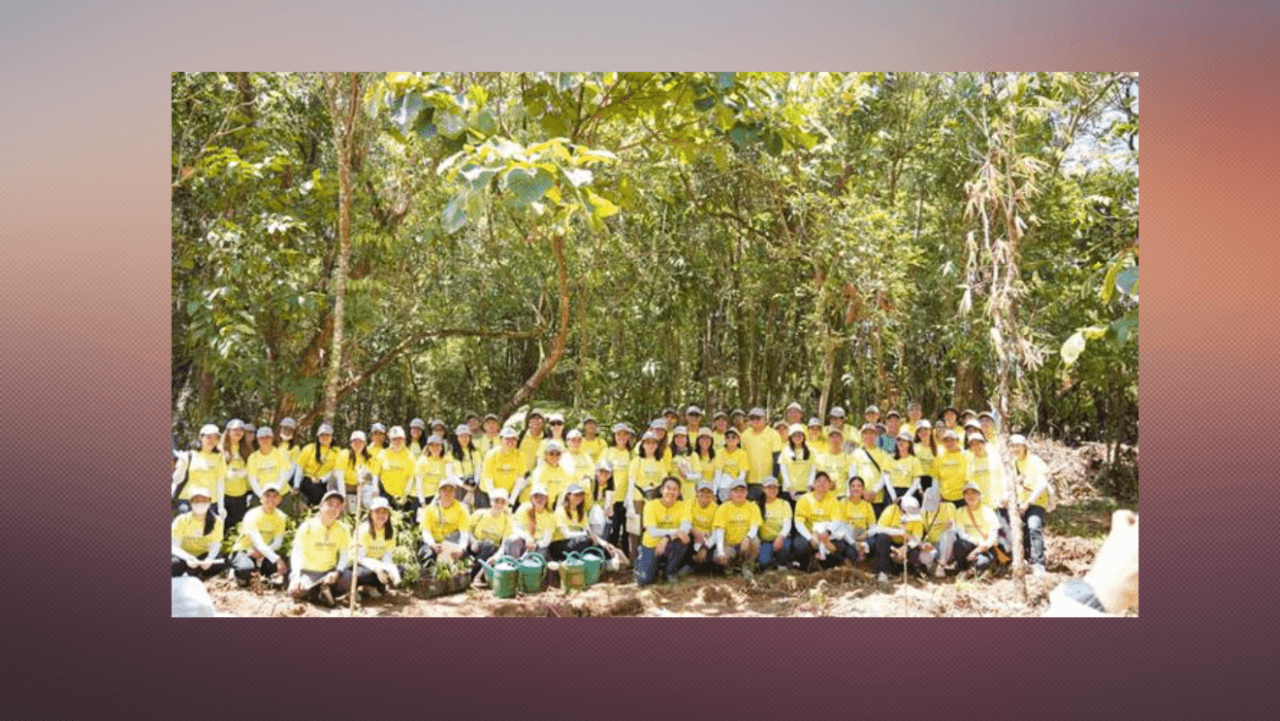
The foundation has also extended its work into environmental conservation.
In the Sierra Madre, OFI has committed to reforesting and caring for five hectares in partnership with the University of the Philippines Los Baños College of Forestry and Natural Resources.
“Through OFI, we work with local communities, government agencies and partner organizations to understand what is needed and find ways where we can make a meaningful and lasting contribution,” said Magbanua, who also serves as OFI executive director.
More than 50 years after Ong prepared those first batches of tocino and skinless longganisa, the kitchen where CDO began is now part of corporate history.
But the idea at the heart of that kitchen—using food to provide for a family—has taken on a much broader meaning. For CDO, the next chapter is not just about finding a place on more Filipino tables, but about making its growth felt beyond them. —Corrie S. Narisma