Insider Spotlight
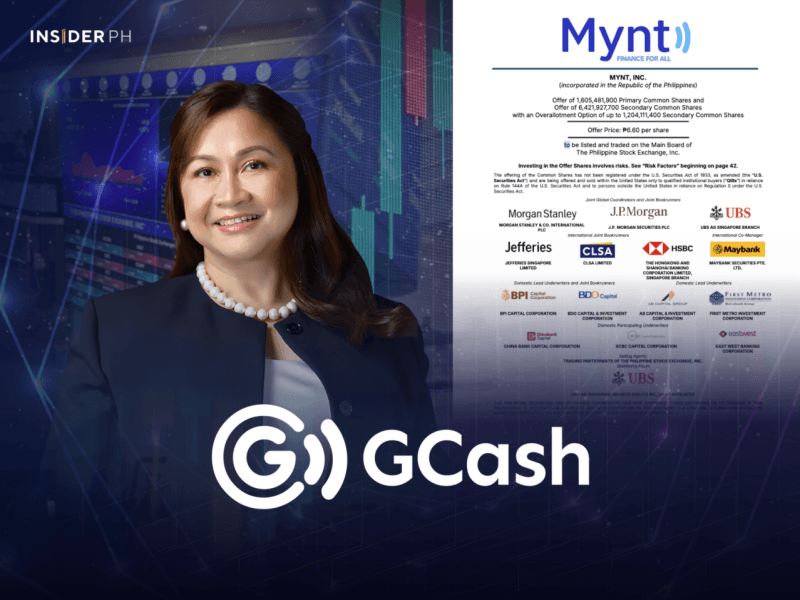
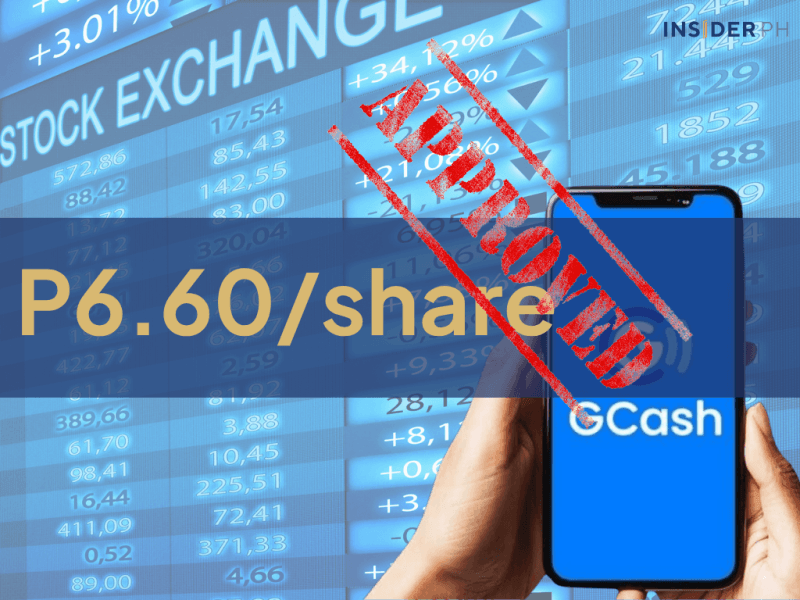
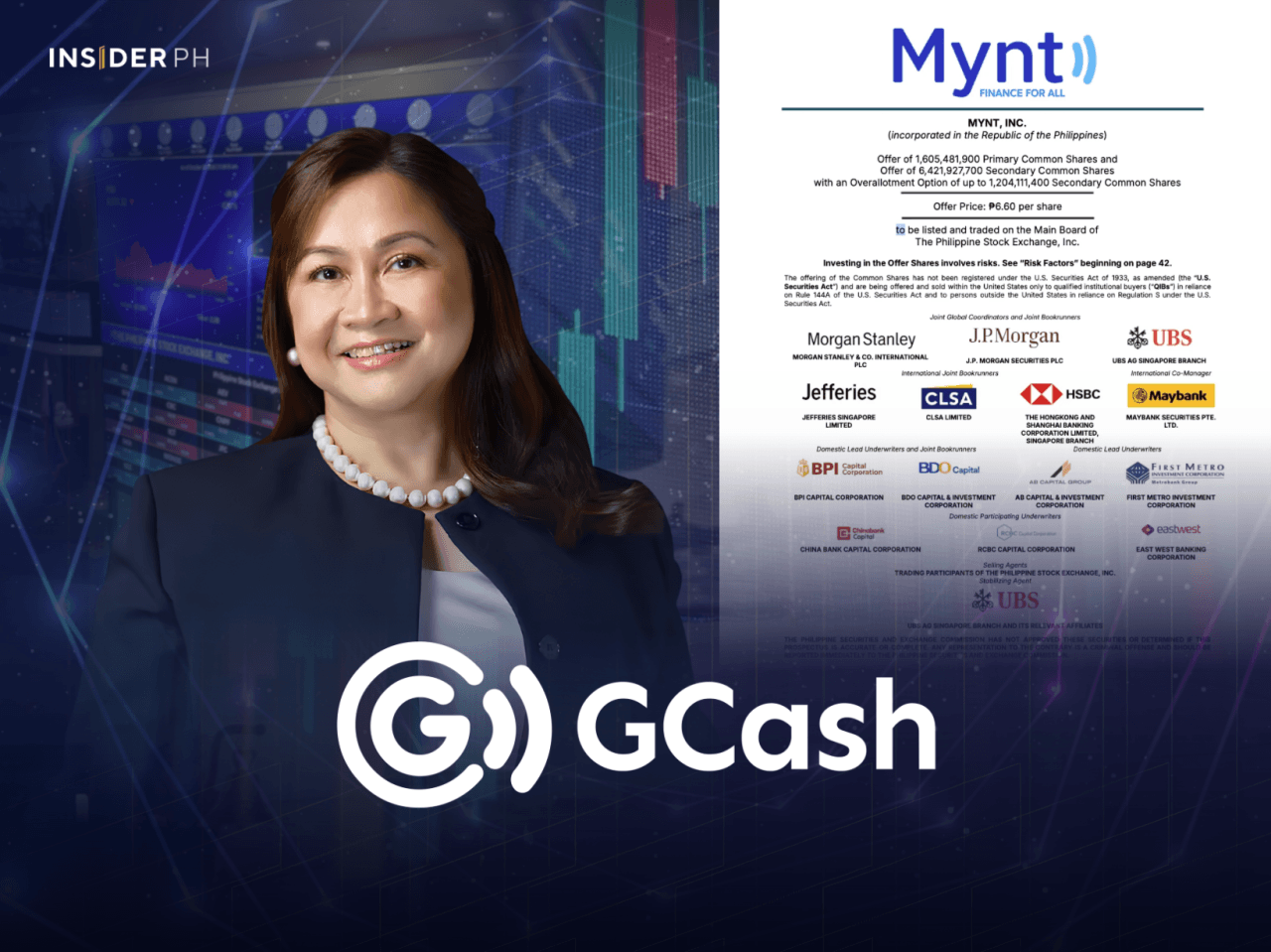
GCash parent Mynt Inc., which raised P61 billion and is set to list on Oct. 20, has assembled a 14-bank syndicate, the largest among major IPOs since the pandemic.
These banks, which include top Philippine and Wall Street names, played key roles in previous blockbuster listings but securing a spot in GCash’s offering was far from guaranteed.
Getting into GCash's inner circle
“They limited the size and were very selective in inviting banks that can deliver demand,” a deal maker familiar with the IPO discussions told InsiderPH.
“They considered equity capital market track record, views about demand and pricing, and, of course, ability to commit to a minimum firm order upfront,” the insider added.

Wall Street meets Manila
Mynt's international banking syndicate is led by Morgan Stanley, JPMorgan and UBS, with Jefferies, CLSA, HSBC and Maybank Securities taking supporting roles.
BPI Capital and BDO Capital serve as lead underwriters and joint bookrunners. Joining them are AB Capital, China Bank Capital, EastWest, First Metro Investment and RCBC Capital.
These institutions help price and sell the shares while shouldering the risk of buying any unsold stocks covered by their underwriting commitments.
More banks, bigger payday?
Mynt’s 14-bank syndicate is larger than the 13 banks assembled for fiber internet giant Converge ICT’s IPO, nine for Maynilad Water Services and 12 for Monde Nissin, which held the record for the largest Philippine IPO when it raised about P55.9 billion in 2021.
But a bigger IPO does not always mean a bigger payday for the banks and selling agents.
When half a percent means millions
When billions of pesos are at stake, even a difference of half a percentage point in fees translates to hundreds of millions.
The price of a better deal
An international underwriter said fees paid by Mynt were standard for IPOs of this size.
“1.5 to 2 percent is the norm,” the underwriter said, adding that higher fees are sometimes offered as an incentive if banks can secure a better price for the company.
Years in the making
Timing and market conditions can also shape the IPO syndicate.
Converge ICT and Monde Nissin, for example, had relatively large groups of banks for their listings, which were launched during the tumultuous COVID-19 pandemic.
Despite still-volatile conditions caused by the US-Iran war, GCash had the benefit of years of preparation, with management indicating they would be “push-button ready” for its market debut.
“The banks had a lot of time to pre-market the deal via hosting non-deal roadshows way before the kick-off,” a deal insider said.
GCash lured over 20 big-name investors, including BlackRock, International Finance Corp. and Fidelity, alongside local institutions like ATRAM Trust Corp., BPI Asset Management and Trust Corp., China Bank Capital Corp., Metropolitan Bank & Trust Co. – Trust Banking Group, Philequity Management and RCBC Capital Corp.
Everyone gets a slice
The billion-peso payday extends well beyond the investment banks and their selling agents as GCash’s IPO spreads the wealth to lawyers, stockbrokers, accountants and courier services.
The Philippine Stock Exchange (PSE) alone stands to collect P342 million in filing fees before taxes.
The Securities and Exchange Commission (SEC) will collect P37.1 million in filing and legal research fees, while the government will receive another P41 million in value-added tax on the PSE filing fee.
PSE registered stockbrokers stand to collect P106 million in gross fees.
GCash also estimates P310 million in legal fees, including payments to law firms Romulo Mabanta Buenaventura Sayoc & de los Angeles, Milbank (Hong Kong) LLP and Gruba Caganda Advincula Melo & de la Fuente.
The company is also setting aside P11.7 million for audit fees, P15 million for industry consultants and P2.1 million for public relations, plus about P133 million in other expenses covering printing, publication, shipping and miscellaneous costs.
Miguel R. Camus has been a reporter covering various domestic business topics since 2009.