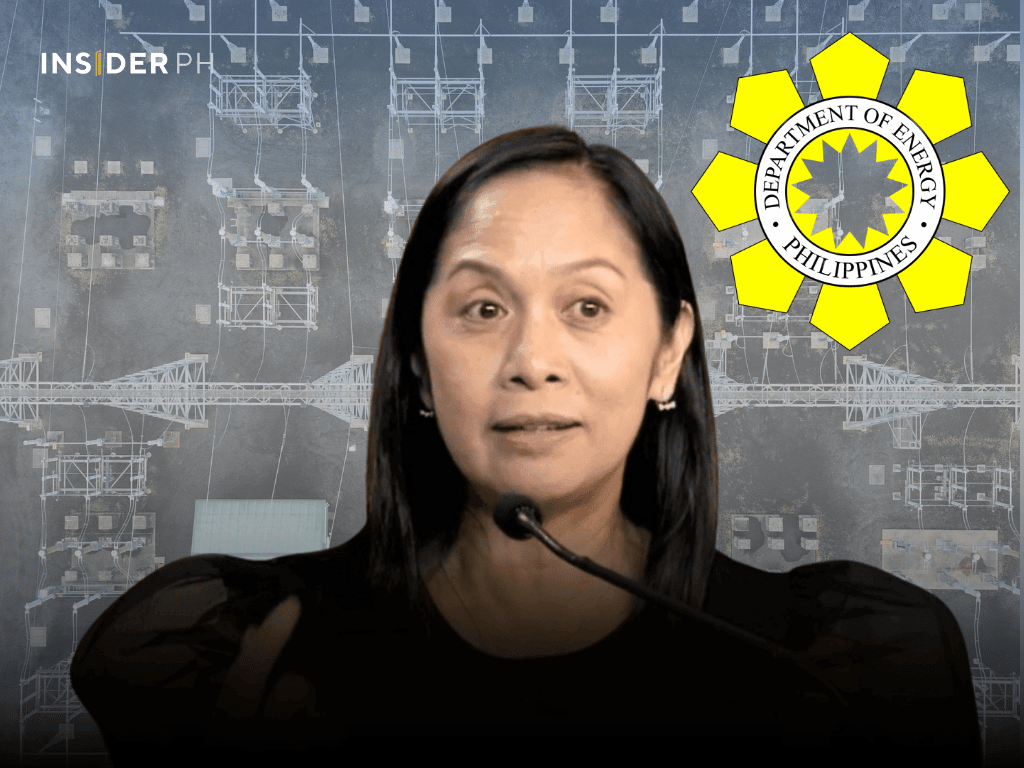
Energy Secretary Sharon Garin said one project involves a 150-MW expansion of Therma Visayas Inc.’s power plant in Toledo City, which is targeted to begin commercial operations in 2028.
The other is a 107-MW power plant to be developed by Cebu Energy Development Corp. (CEDC), with commercial operations targeted for 2029.
The long-term plan to make Cebu more self-reliant in electricity generation also includes a proposed 500-MW gas-fired power plant intended to complement intermittent renewable energy sources.
The gas-fired facility is expected to begin operations between 2028 and 2030.
Policy exceptions
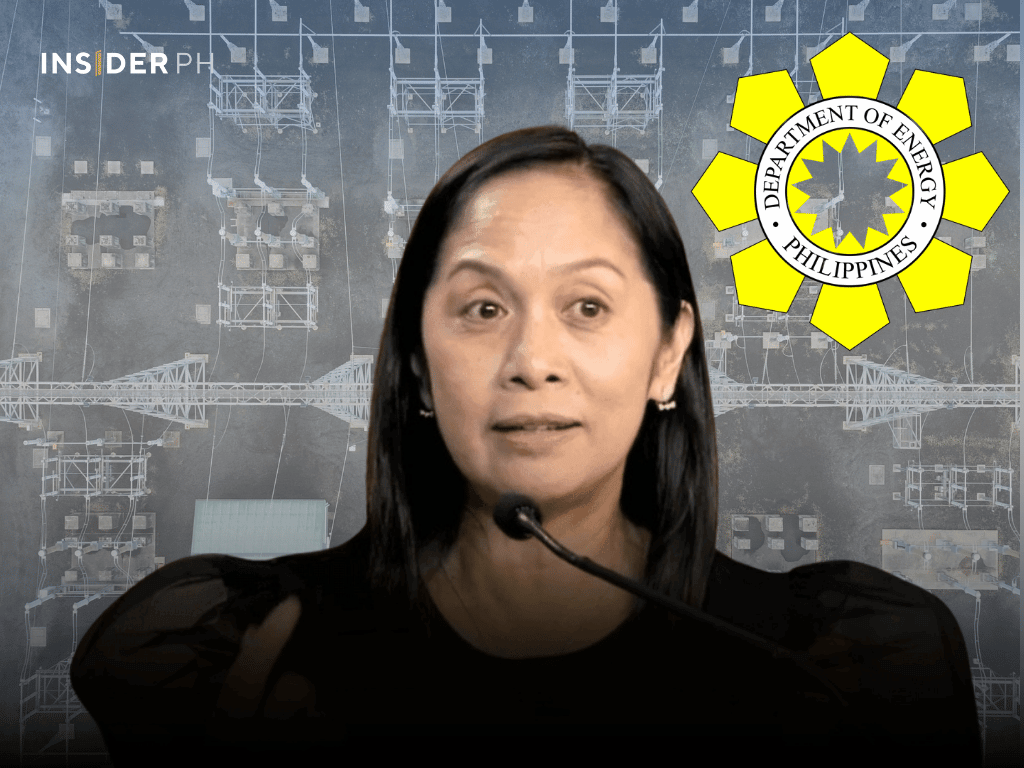
Asked during a press conference whether the construction of new coal-fired power plants would violate the existing moratorium, Garin replied: “No po. There are some exceptions to the moratorium, especially when it comes to energy security.”
She explained that developers allowed to build new coal-fired power plants would be required to adopt the latest clean-coal technology to minimize emissions.
“If you have the correct technology, or what they call ‘supercritical,’ it will produce almost no emissions. We call that clean coal,” Garin said.
She added that developers would also be required to submit plans to transition to cleaner energy sources.
The DOE imposed a moratorium on endorsements for new coal-fired power plants in October 2020 under then-Energy Secretary Alfonso Cusi as part of efforts to diversify the country’s energy mix and encourage investment in cleaner energy sources.
The policy, however, provides exceptions for certain projects, including those covered by existing commitments and those that qualify under subsequent DOE guidelines.
Power problems
Garin was in Cebu on Oct. 12 for the Cebu Energy Summit, organized by the Cebu Chamber of Commerce and Industry (CCCI) and the Cebu Provincial Government to discuss power supply constraints, rising electricity costs and measures to meet the province’s growing energy demand.
In her speech, Garin acknowledged the challenges facing the Visayas grid, including simultaneous outages at several power plants and the anticipated impact of El Niño on electricity generation.
She said Cebu’s electricity demand was growing by 14 percent annually, more than twice the roughly 6-percent growth recorded in other parts of the country.
“Cebu is the fastest growing. We don’t want Cebu’s economy to slow down because of electricity (challenges),” she said.
According to data presented by the National Grid Corporation of the Philippines (NGCP), electricity demand in the Visayas increased by approximately 124 percent, from 1,241 MW in 2009 to 2,779 MW in 2026.
However, growth in generating capacity has failed to keep pace with rising demand, with the last power plant in the Visayas reportedly built in 2019.
Imbalance
Cebu accounts for the largest share of electricity demand in the Visayas at 42 percent, followed by Panay at 21 percent, Negros at 18 percent and Bohol at 13 percent.
Based on figures presented by Garin, Cebu has a total installed generating capacity of 993.2 MW, including 814.7 MW of baseload capacity, against an average demand of 839 MW and peak demand of 1,254 MW.
This means Cebu's peak electricity demand exceeds its installed generating capacity by about 261 MW, underscoring the province's dependence on electricity supplied from other parts of the interconnected grid.
The supply situation has been aggravated by simultaneous outages at several generating plants, reducing available reserves and increasing the risk of power interruptions.
These supply constraints have contributed to recurring yellow and red alerts across the Visayas grid, particularly when major coal-fired generating units are taken offline for maintenance or unexpected repairs.
Garin warned that the anticipated El Niño could further constrain electricity supply, with hydropower generation potentially declining by 40 percent and solar output by 20 percent.
Without additional interventions, she said yellow and red grid alerts could persist from the fourth quarter of 2026 through the end of 2027.
Temporary power sources
To help ease the supply shortage, Garin said the DOE plans to deploy six power barges across the Visayas with a combined generating capacity of 300 MW.
The barges could arrive as early as the first quarter of 2027, subject to logistical and contractual requirements. One 50-MW barge is expected to be stationed in Cebu.
Garin also cited plans to install around 250 MW of battery energy storage capacity across Cebu, Bohol, Leyte and Panay.
The batteries would store electricity, particularly surplus solar power generated during the day, and release it when generation declines, such as after sunset.
“We cannot have the power barges and the batteries as the only solution. We need long term solutions,” she said.
Long-term energy security
Among the long-term solutions are the two proposed coal-fired power plants in Cebu, which would provide additional baseload capacity to help ensure a stable electricity supply regardless of weather conditions.
The DOE is also considering two 500-MW gas-fired power plants, one each in Cebu and Panay, to further strengthen generating capacity in the Visayas.
The agency is preparing a Visayas power development master plan aimed at making the region's major islands—Cebu, Bohol, Negros and Panay—more resilient and less dependent on electricity transmitted over long distances.
Under the proposed plan, the Visayas would be developed as a network of interconnected island subgrids, each with sufficient local generating capacity to better meet its electricity requirements.
The DOE would assess electricity supply and demand on each island and encourage the development of additional generating facilities based on projected requirements.
Surplus electricity could then be shared among the islands through existing transmission links, while interconnections would provide additional support during supply disruptions.
The master plan would also account for future electricity demand growth, particularly in Cebu and other rapidly developing areas of the Visayas. —Ed: Corrie S. Narisma

Contributor