Insider Spotlight
Why it matters
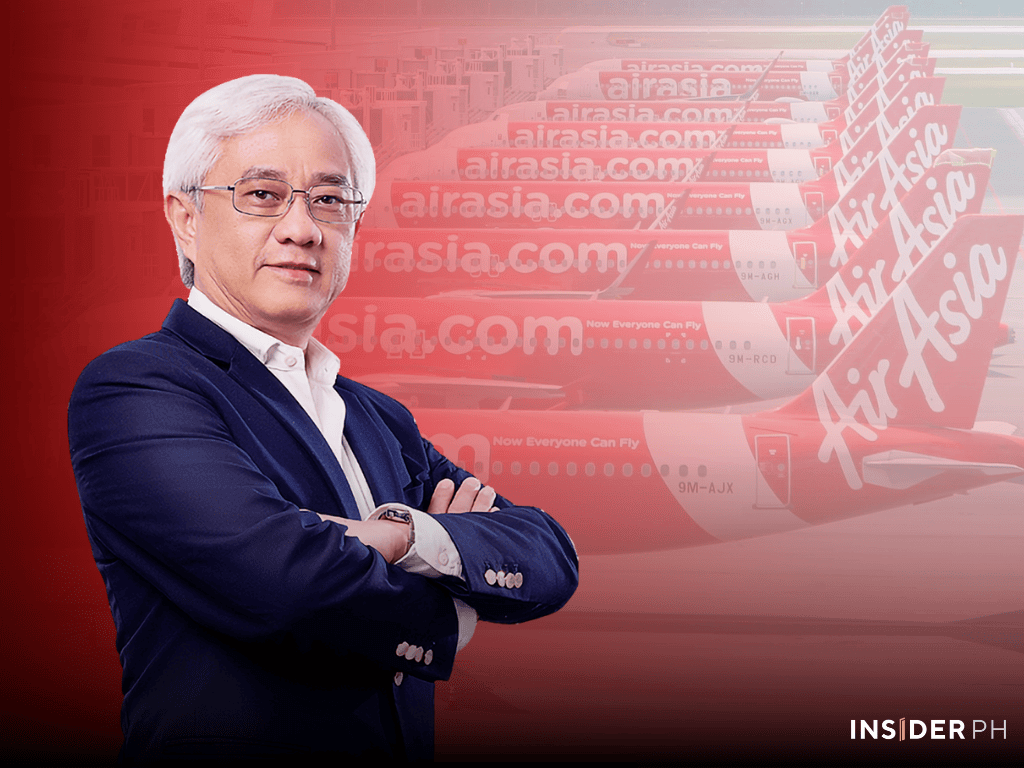
Leadership changes at the board level come as airlines globally grapple with cost pressures, supply chain constraints and geopolitical uncertainty. For AirAsia X, the move underscores a push toward tighter oversight and strategic discipline as it rebuilds and expands post-pandemic.

The big picture
The group said it remains confident in its fundamentals, pointing to sustained travel demand across Asean and the strength of its regional network. Kuala Lumpur continues to anchor its strategy as a low-cost megahub, enabling connectivity across short- and medium-haul routes.
Tan Sri Jamaludin said, “I’m excited to be joining AirAsia X, especially after the recent consolidation of all the seven airlines, short haul and medium haul, into one large cohesive group. While we are experiencing a period of global uncertainty, we are entering this phase from a position of strength.”
Tony Fernandes, advisor to AirAsia X added: “Tan Sri Jamaludin’s distinguished leadership and deep governance expertise are pivotal to AirAsia X as the unified airline group embarks on a new chapter. His leadership brings the governance depth and independent oversight that our Board upholds, complementing the strength of our management team.”
In remarks accompanying the announcement, the airline framed the leadership transition as part of a broader strategic recalibration, emphasizing governance, cost discipline and long-term positioning.
Between the lines
AirAsia X is actively reallocating capacity toward higher-yield destinations such as Almaty, Kazakhstan; Tashkent, Uzbekistan; and Istanbul, Türkiye, reflecting a tactical pivot to capture displaced demand while mitigating softer corridors.
Bo Lingam, Group CEO of AirAsia X said, “While we are operating in an increasingly challenging environment, we are seeing strong demand across our Asean destinations, which demonstrates the resilience of our network and the growing appetite for regional travel. This reinforces our focus on Kuala Lumpur as a key aviation hub and its position as a global low-cost carrier megahub.”
At the same time, the airline is pressing ahead with plans to position Bahrain as a strategic hub linking Asia, the Middle East and Europe, with services slated to begin on 26 June 2026, amid expectations that regional conditions will stabilize.

By the numbers
Jet fuel prices have surged to more than double 2025 levels, prompting calibrated fare adjustments, including a one-off fuel surcharge across the network.
Bo Lingam added, “We are optimising our network, reallocating capacity to stronger-performing routes and leveraging our Fly-Thru connectivity via Kuala Lumpur and Bangkok to capture demand efficiently.”
What’s next
The Group is exploring fleet expansion through new aircraft orders and leases to support growth, while expecting unit costs to improve as more aircraft return to service and Asean currencies strengthen against US dollar-denominated costs.
The leadership shift, paired with operational adjustments, positions AirAsia X to balance near-term volatility with long-term expansion ambitions. —-Princess Daisy C. Ominga | Ed: Corrie S. Narisma