
Ayala Land’s Car-Free Sundays initiative continues to expand beyond Metro Manila, with new programs recently launched at Azuela Cove in Davao City and North Point in Talisay City, Negros Occidental.
The expansion signals the growing appeal of open-street spaces that encourage people to slow down, stay active, and reconnect with their communities.
More than just temporarily closing roads to vehicles, Car-Free Sundays has become a recurring ritual for many Filipinos — one that blends wellness, recreation, and social interaction into a shared weekend experience.
Davao experience
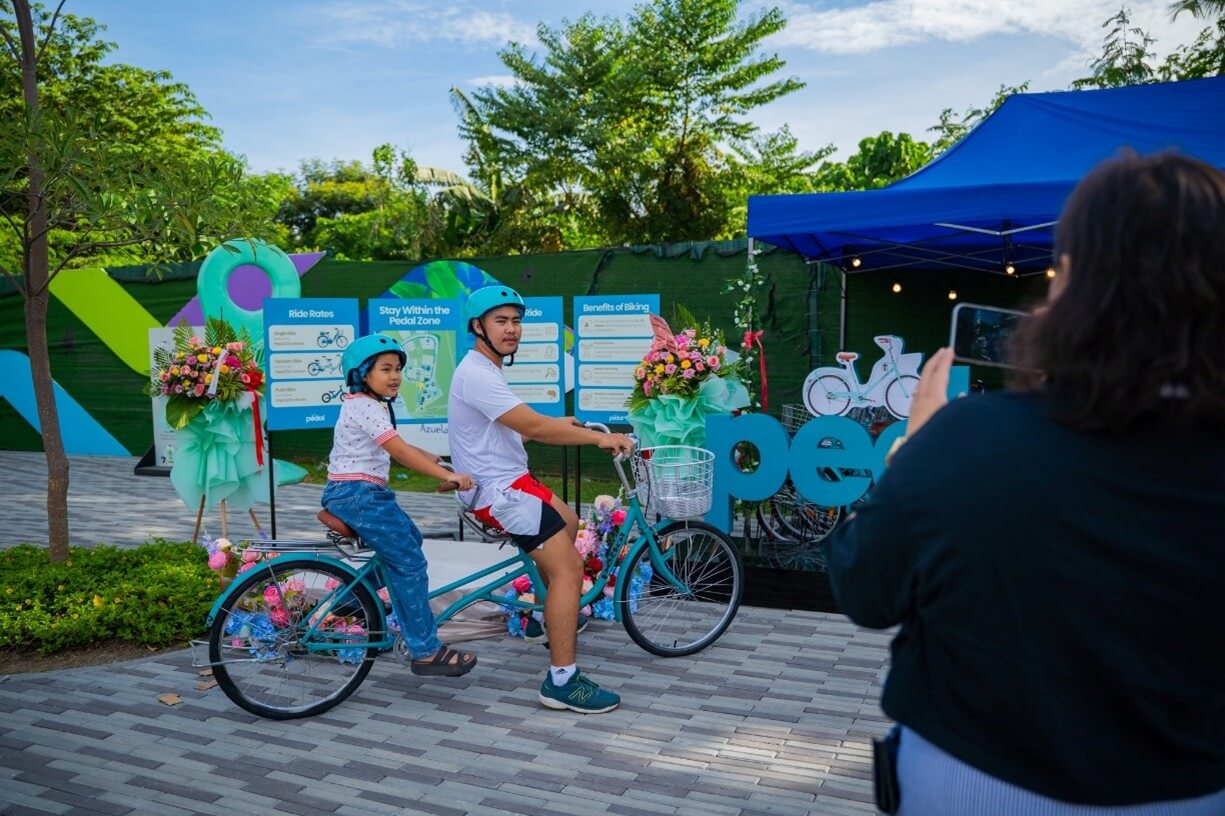
At Azuela Cove, the initiative takes on a vibrant, lifestyle-oriented atmosphere that reflects the estate’s waterfront character and modern urban design.
Visitors can explore the area through various mobility options, including vintage bicycles, tandem bikes, and electric scooters. The activities turn the estate into an open recreational space where movement becomes both leisurely and social.
Instead of rushing through traffic-filled streets, participants are encouraged to experience the estate at a slower pace — walking, biking, or simply spending time outdoors with friends and family.
The curated activities and scenic surroundings create a distinctly relaxed environment that transforms ordinary public spaces into destinations for connection and recreation.
Cebu momentum
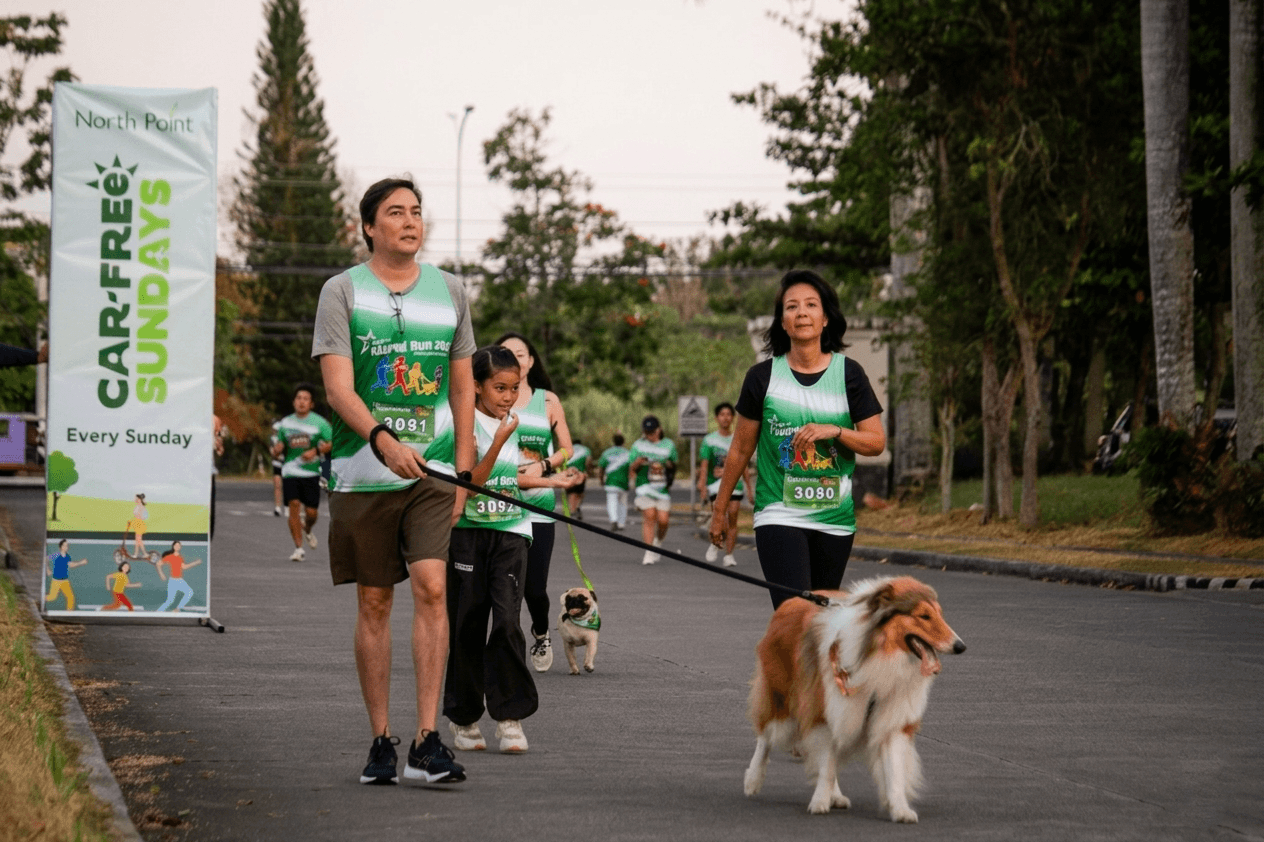
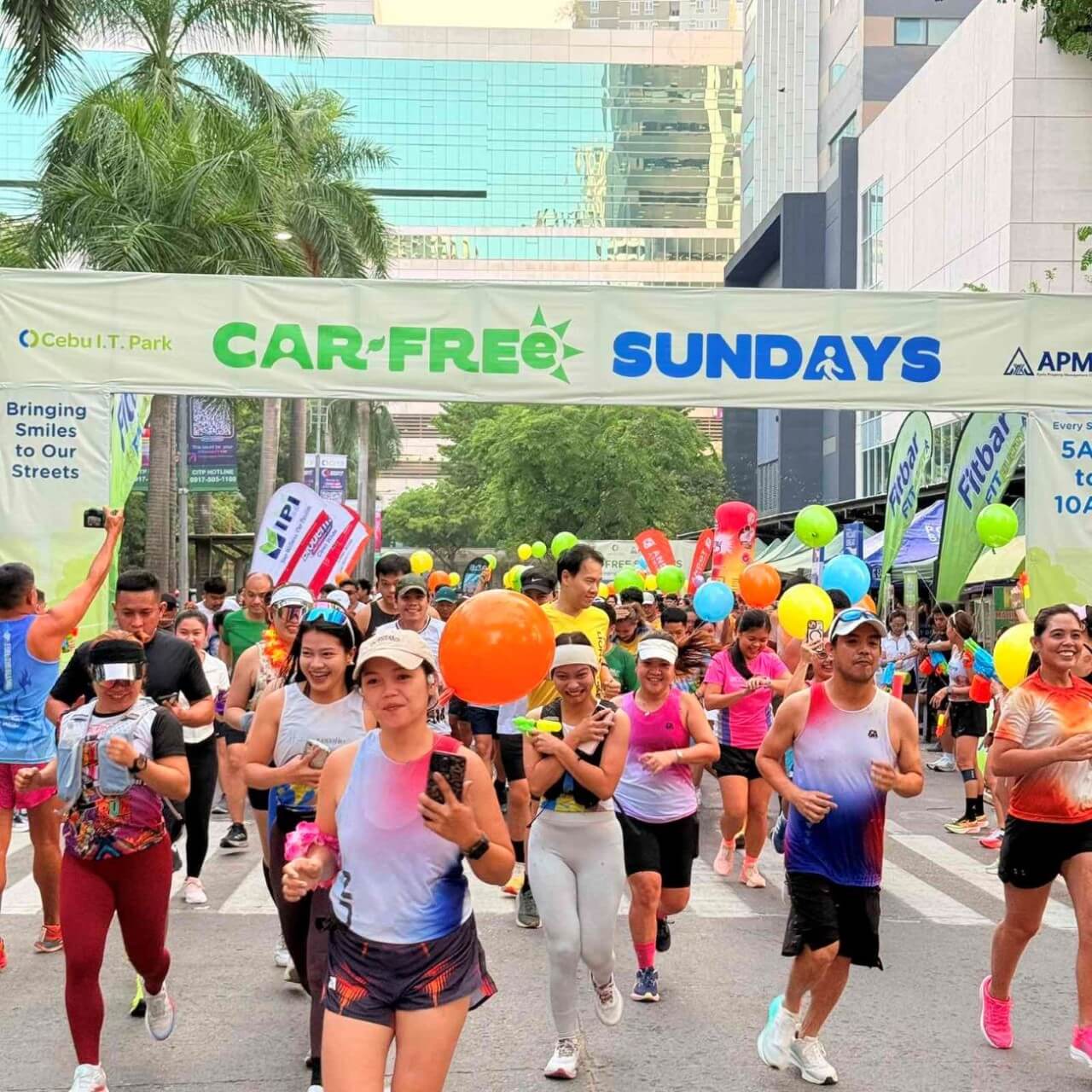
The expansion builds on the sustained popularity of Car-Free Sundays in Cebu Business Park and Cebu I.T. Park, where the initiative is nearing its third year.
In Cebu Business Park, growing participation has prompted organizers to extend operating hours until 5 p.m. The longer schedule has also paved the way for new activities, including Sunday markets and outdoor pickleball sessions.
Meanwhile, Cebu I.T. Park continues to attract a steady mix of joggers, cyclists, pet owners, and families, further strengthening its reputation as one of the region’s most walkable lifestyle districts.
Beyond streets
Car-Free Sundays traces its roots to Ayala Avenue in Makati, where one of the country’s busiest business corridors was temporarily transformed into a people-first public space.
Since then, the initiative has expanded not only geographically but also in purpose. Across Ayala Land estates, the program reflects a broader shift in how urban spaces are designed and experienced — not merely as places to live or work, but as environments that support wellness, mobility, and social connection. —Ed: Corrie S. Narisma