Insider Spotlight
In a paper titled The Full Picture that Lenders Don’t See, Pozon argued that financial inclusion should not be measured solely by the number of Filipinos with bank or e-wallet accounts. Instead, he said the more important benchmark is whether consumers can access reasonably priced credit.
The World Bank’s Global Findex 2025 showed that around half of Filipino adults now hold formal financial accounts, a figure often cited as proof of progress in inclusion efforts. But Pozon said account ownership is only the beginning.
“The more consequential question is how many of those account holders can actually borrow money at a fair price,” he wrote.
Why it matters
Traditional credit scoring systems were built around formal employment, payroll accounts, bank deposits, and institutional loan histories. Pozon said this framework no longer reflects the realities of the Philippine economy, where freelancers, gig workers, microentrepreneurs, and informal earners make up a significant share of the workforce.
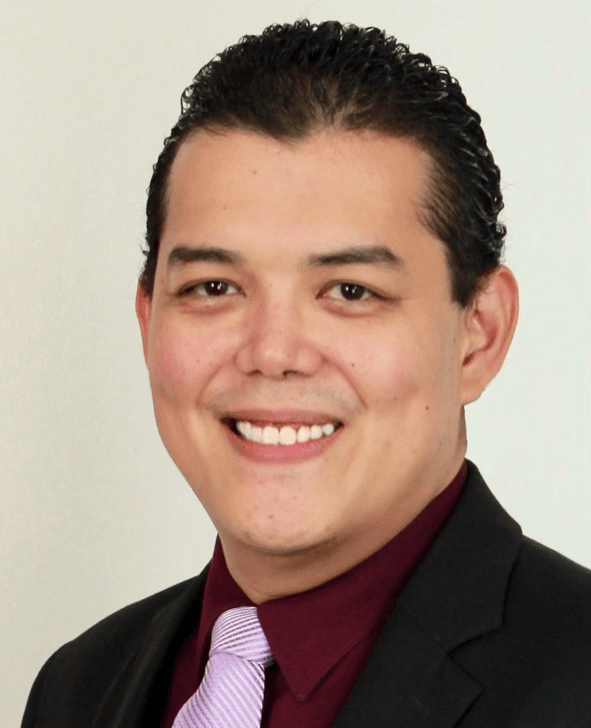
Citing TransUnion’s 2025 Credit Perception Index, Pozon noted that 59 percent of Filipinos identified high interest rates as the main deterrent to borrowing. He argued that lenders charge higher rates largely because they lack sufficient visibility into borrowers’ actual financial behavior.
At the same time, Filipinos are generating extensive digital financial records through e-wallets and online platforms.
Pozon pointed out that 58 million Filipinos use e-wallets, while 57.4 percent of retail payments in 2024 were made digitally. Transactions through GCash, Maya, remittance services, and utility bill payments create traceable behavioral data that could help lenders better assess risk.
The big picture
Pozon said the Philippines already has the legal groundwork to support broader data-sharing through the Data Privacy Act and the Bangko Sentral ng Pilipinas’ Open Finance Framework.
Allowing borrowers to voluntarily share verified financial records through secure APIs could help lenders price risk more accurately while expanding access to credit, he said.
— Edited by Daxim L. Lucas