At the Money20/20 Philippine Summit in Manila, industry leaders said that while 39 percent of Filipinos have digital and mobile access, many still struggle to use these tools consistently due to unstable or unavailable connectivity.
This gap continues to exclude a significant portion of the population from formal financial services, particularly in remote and underserved areas.
Connectivity gap
Stakeholders said the challenge goes beyond expanding internet coverage, pointing instead to the need for systems that can function even in low- or zero-connectivity environments.
Melchor Plabasan, senior director of the Bangko Sentral ng Pilipinas’ Technology Risk and Innovation Supervision Department, said unreliable internet disrupts transaction processing and weakens security protocols for fintech firms.
At the same time, regulators face difficulties in extending financial services beyond urban centers and reaching last-mile communities.
Offline solutions
Private sector players are developing workarounds to address these constraints.
Among the innovations discussed were online lending platforms deploying services in geographically isolated and disadvantaged areas, optimizing applications for low bandwidth, and expanding payment channels through partnerships and web-based platforms.
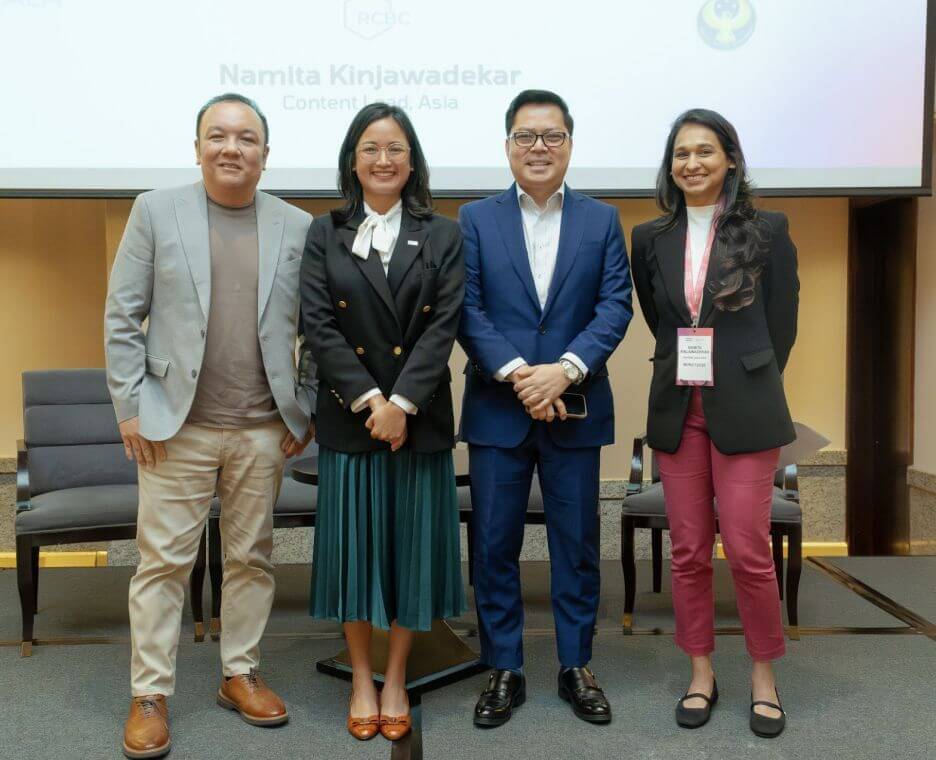
Lito Villanueva, executive vice president and chief innovation and inclusion officer at RCBC, highlighted agency banking as a practical solution for the Philippines’ archipelagic setting.
By working with sari-sari stores, pawnshops, and logistics outlets, banks and fintech firms can provide basic financial services—such as cash transactions, bill payments, and loan disbursements—within local communities.
Digital ID push
Industry leaders also emphasized the role of digital public infrastructure (DPI) in enabling offline transactions and improving trust in the financial system.
Arianne Ferrer, external affairs director at Tala Philippines and president of the Consumer Lending Association of the Philippines, said a unified and reliable digital identity system could help streamline access.
“When the government facilitates simple, low-cost, and equitable access to information from IDs, it increases trust and brings more Filipinos into the formal financial ecosystem,” she said.
Ferrer added that a centralized and verifiable system could reduce fraud risks while improving efficiency across financial services.
Inclusive finance
Fintech firm Tala said it continues to invest in solutions that expand access to credit for underserved Filipinos.
The platform uses alternative and behavioral data to assess creditworthiness, allowing users to access loans with minimal requirements, such as a valid ID and an Android phone.
Loans can be disbursed and repaid through both online channels and partner outlets, making services accessible even in areas with limited connectivity.
Tala also runs financial literacy programs, including its TALAkayan workshops, which aim to improve users’ knowledge of saving, budgeting, and financial security.
Next steps
As digital finance continues to grow, industry players said addressing connectivity challenges will be critical to achieving broader financial inclusion.
Upcoming discussions at regional forums, including Money20/20 Asia and Policy 20 in Bangkok, are expected to further explore how technology and policy can bridge gaps in access.
Participants said collaboration between government and the private sector will be key to ensuring that digital financial services reach all Filipinos, regardless of connectivity limitations. —Ed: Corrie S. Narisma