InsiderSpotlight
That long-running effort received another boost with the launch of Philippine Heritage Kitchen (PHK), an initiative led by culinary icon chef Reggie Aspiras that aims to preserve, document, and promote lesser-known Filipino heritage dishes and regional culinary traditions.
CCA Manila, one of the country’s leading culinary schools, joined the initiative as an active support partner, underscoring its longstanding advocacy for Filipino gastronomy and culinary education.
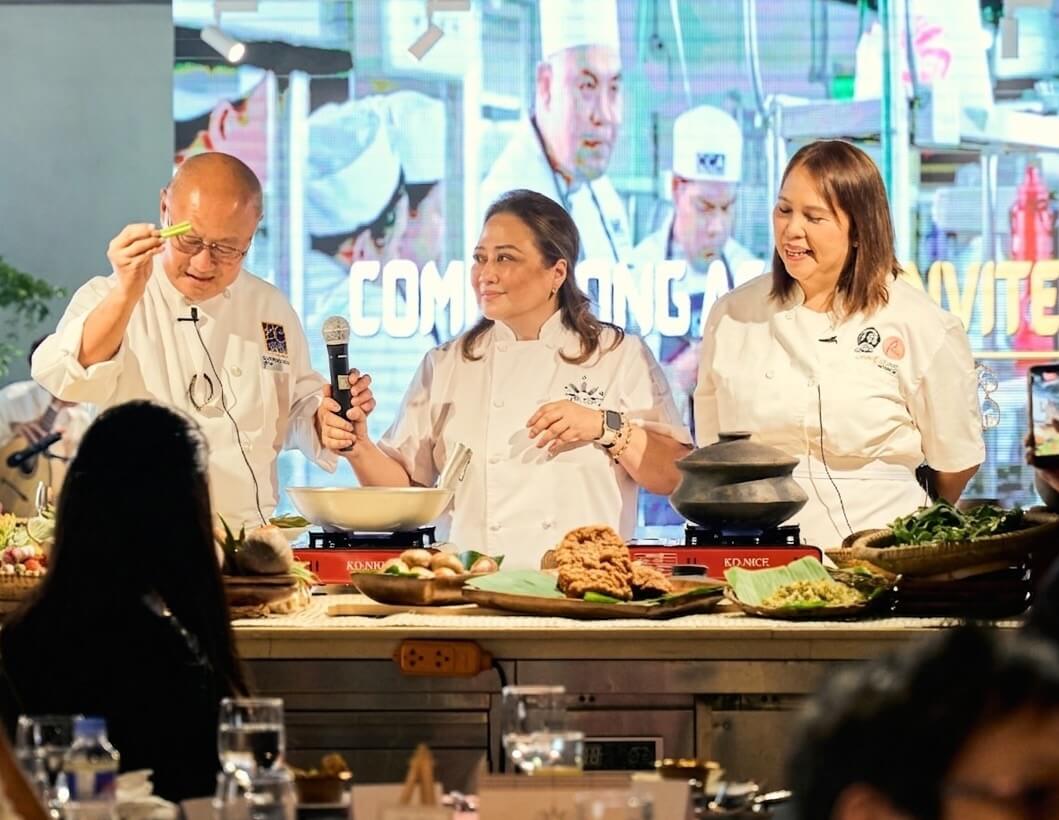
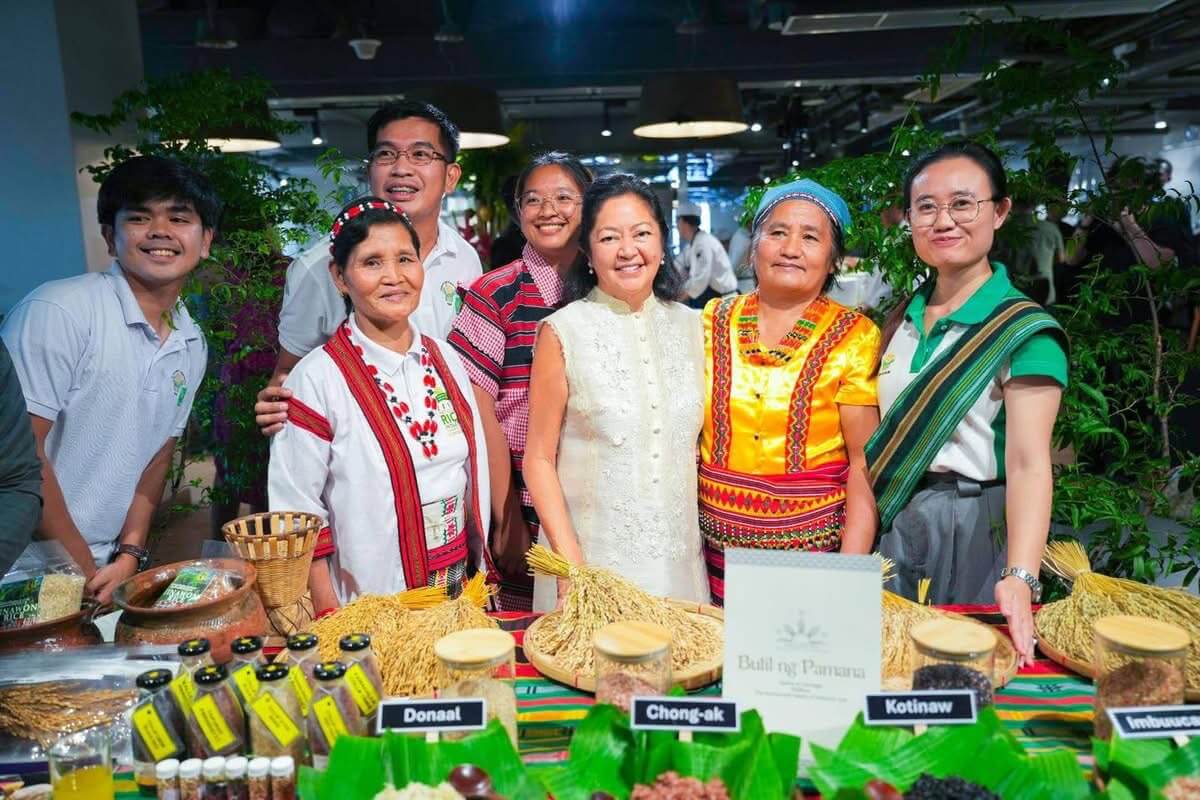
The launch event at Brittany Hotel in Bonifacio Global City gathered chefs, culinary educators, students, food advocates, and heritage farmers in a collective push to ensure traditional Filipino cuisine remains relevant amid rapidly evolving food trends.
Why it matters
PHK seeks to spotlight regional dishes, indigenous ingredients, and traditional cooking methods that are often overshadowed by mainstream food culture. Organizers said the movement goes beyond reviving recipes and instead focuses on preserving stories, communities, and cultural identity through food.
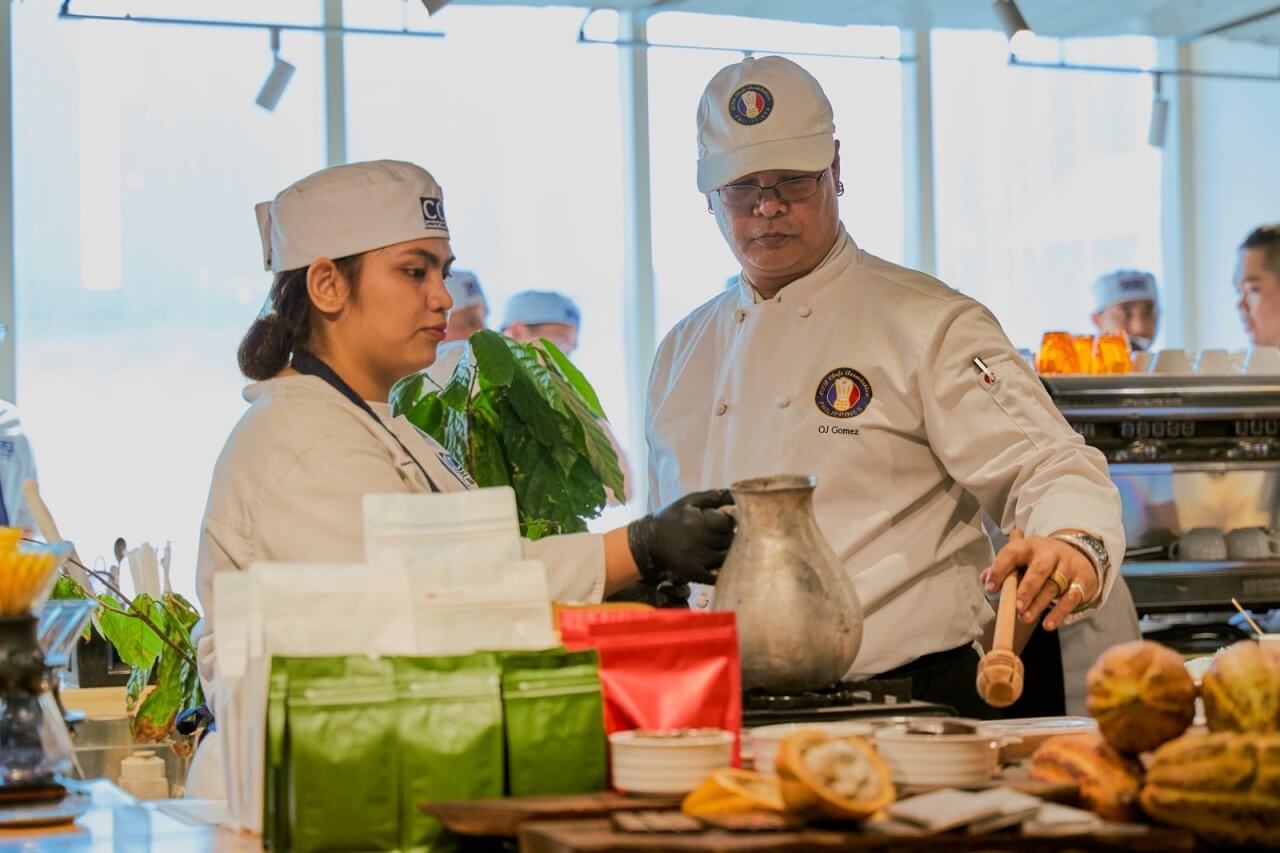
CCA Manila students assisted in food preparation and kitchen execution during the launch, giving them firsthand exposure to heritage recipes and culinary traditions from various regions in the country.
According to details shared in a company release, the collaboration between PHK and CCA Manila will continue through a series of monthly activities and culinary showcases designed to sustain interest in Filipino heritage cuisine. Upcoming events include a Sisig Festival on May 29, Traditional Cebu Fare on June 20, Philippine Ingredients on July 17, and Wow Mindanao on Aug. 22.
CCA Manila chancellor Dr. Ma. Veritas F. Luna said the initiative aligns with the institution’s long-standing mission of elevating Filipino cuisine.
“Long before Filipino cuisine became globally fashionable, CCA Manila already believed in its value and importance. We have always encouraged our students to appreciate our own culinary heritage, not merely as food, but as culture, history, and identity. Philippine Heritage Kitchen is an important platform because it reminds us that even lesser-known regional dishes deserve preservation and recognition,” Luna said.
Bigger picture
CCA Manila said it has integrated Filipino cuisine into its culinary programs for years, emphasizing local ingredients, regional food culture, and traditional cooking techniques even during periods when Western culinary traditions dominated culinary education.
Several alumni have since helped bring Filipino cuisine to global audiences, including chefs behind restaurants in Australia and New Zealand that highlight modern Filipino flavors and regional heritage cooking.
Among those who participated in the PHK launch was CCA alumnus chef OJ Gomez, a seed-to-bar chocolatier and cacao advocate who now oversees thousands of cacao trees in Laguna.
For Gomez, the event carried a strong sense of community.
“It felt really homey and cozy, even with so many people. You could feel the hospitality of the space,” he said.
Organizers said the successful launch signals the start of a broader movement to preserve Philippine culinary heritage “one dish, one story, and one kitchen at a time.” — Princess Daisy C. Ominga | Ed: Corrie S. Narisma