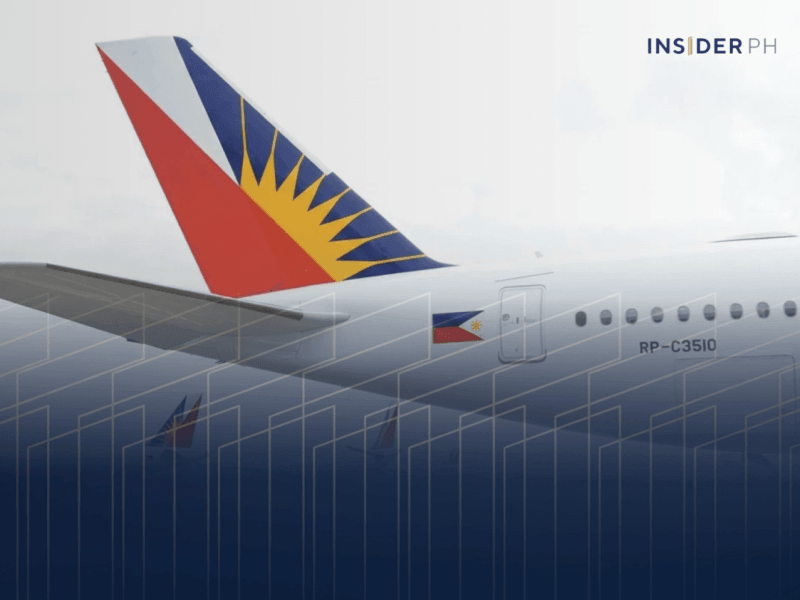
The airline reversed a $158.7 million profit a year earlier after its fuel bill surged nearly 50 percent to $1.02 billion, an increase of $339.4 million linked to the conflict in the Middle East, a statement on Wednesday showed.
Managements' view
"Our nine-month results demonstrate the underlying resilience of Philippine Airlines in an operating environment marked by exceptionally high fuel costs and continuing geopolitical uncertainty. We have responded with disciplined capacity deployment, stronger revenue management, targeted commercial initiatives and tight control of controllable costs," PAL president Richard Nuttall said in the statement.
"While the sharp increase in fuel prices has weighed significantly on profitability, demand for travel remains healthy and our revenue performance shows that our commercial strategy is gaining traction. We remain focused on protecting liquidity, strengthening the business and positioning PAL for a return to stronger profitability as operating conditions normalize," he added.
Flying less, earning more
PAL's revenue still grew 4 percent to $2.5 billion, even as passenger traffic fell 6 percent to 11.6 million, reflecting higher ticket yields and stronger cargo earnings.
Passenger revenue rose 1.9 percent to $2.08 billion, while cargo revenue jumped 34.8 percent to $158.5 million on higher freight rates and volumes.

Fuel eats into earnings
Average jet fuel prices surged 52.7 percent to $152.72 per barrel, pushing fuel's share of operating expenses to nearly 40 percent from about 31 percent a year earlier.
Total operating costs rose 15.9 percent to $2.57 billion, outpacing revenue growth despite efforts to reduce flights, adjust fuel surcharges and control other expenses.
Building a cash cushion
PAL ended September with $879 million in cash and short-term investments, up from $431 million at the end of 2025, supported partly by a $350 million bond issuance.
The airline also expanded its operating fleet to 86 aircraft from 79 and signed preliminary agreements for up to 34 additional Airbus and Boeing widebody jets.
—Edited by Miguel R. Camus