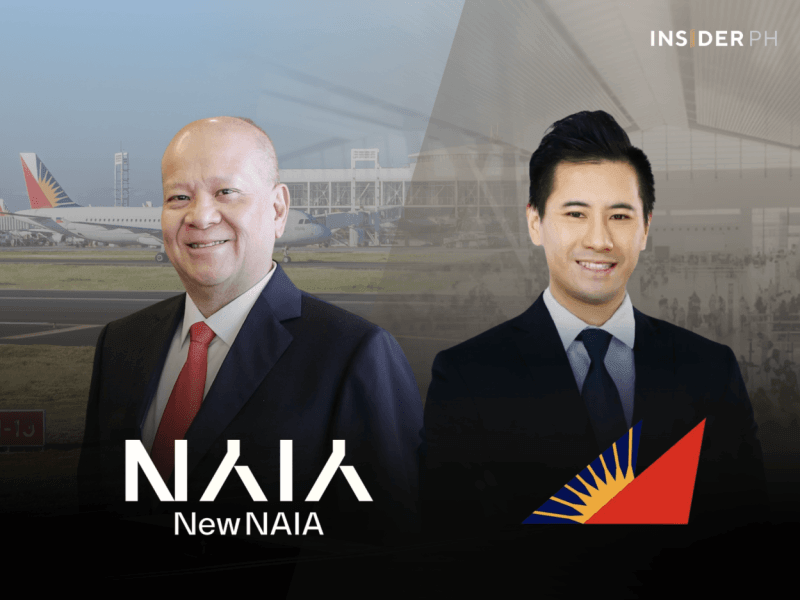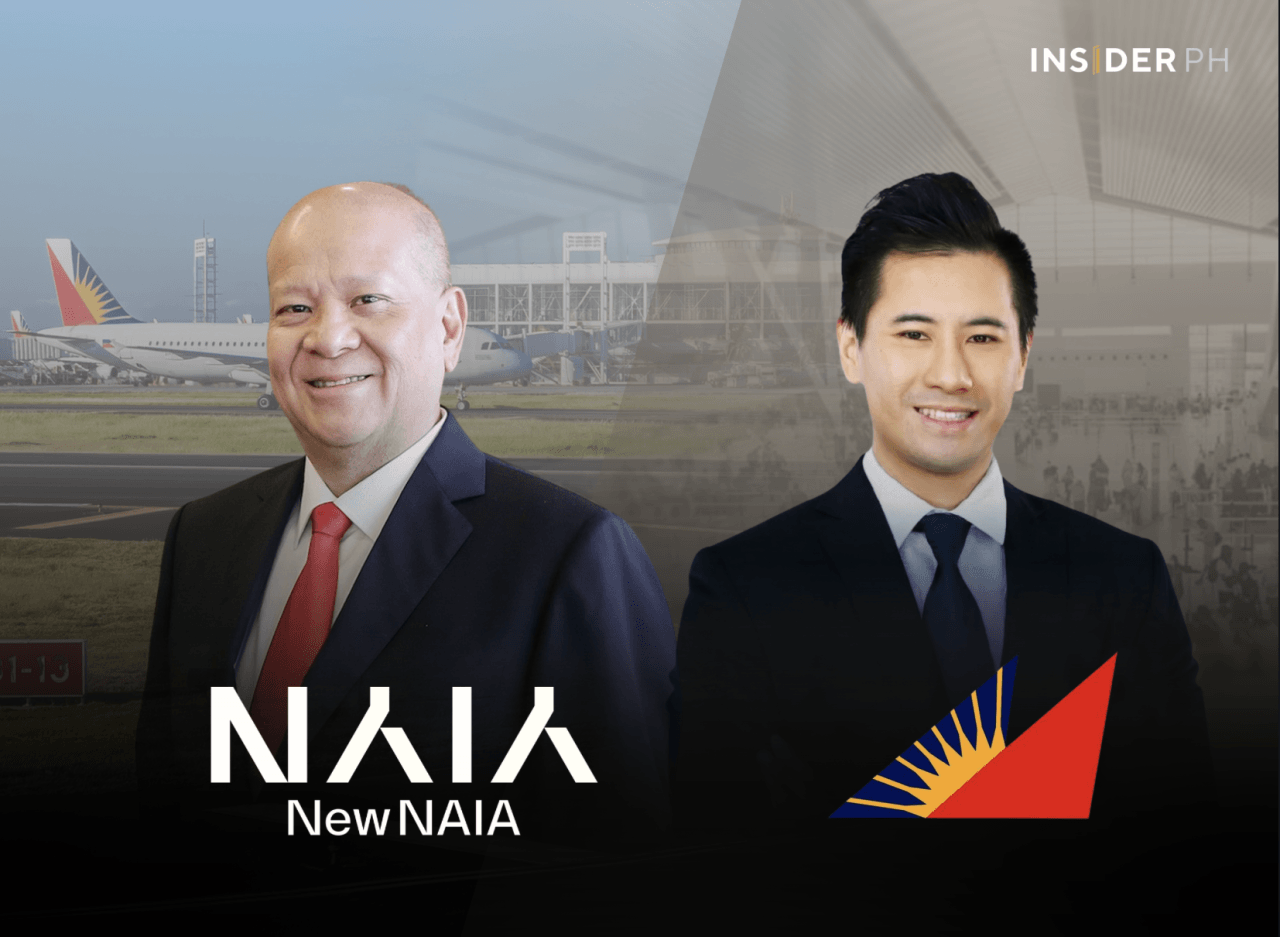
Philippine Airlines is the first carrier to sign the new standardized Airport Use Agreement, giving NNIC a template it plans to roll out to other airlines at Ninoy Aquino International Airport.
The agreement sets performance targets and defines how PAL and NNIC will work together across airport facilities and operations, with mechanisms to address repeated misses of agreed service levels.
“This agreement gives us a clearer framework for setting expectations, measuring performance and working together to maintain consistent service standards,” NNIC president and CEO Ramon S. Ang said in a statement on Tuesday.
“That is important to making airport operations more efficient and dependable," he added.
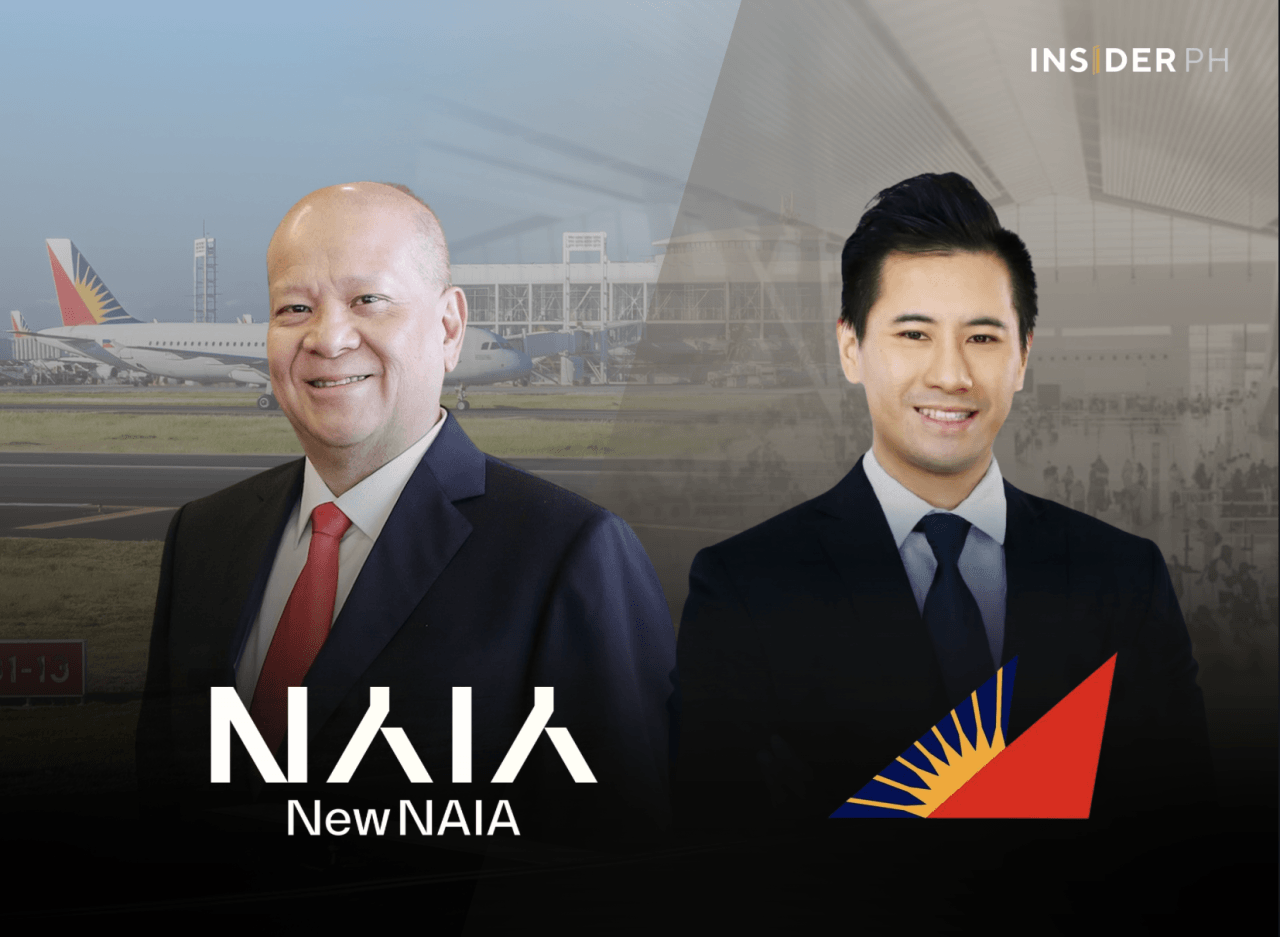
Keeping flights moving
The push targets the many steps behind every flight, from check-in and boarding to baggage handling, ramp operations and aircraft turnaround.
A slowdown in one can delay an aircraft, push back succeeding flights and eventually ripple through the wider airport.
NNIC is taking the same approach with ground handlers and other service providers, widening the use of common operating requirements across companies involved in keeping flights moving.
Beyond the physical overhaul
The agreements take NAIA’s modernization beyond terminal renovations, airport systems and airfield improvements to the day-to-day coordination of airport operations.
NNIC has been upgrading the gateway and tackling long-standing capacity and operational constraints since taking over in September 2024.
Standardizing how airlines and service providers operate gives NNIC another lever to improve NAIA performance even as the bigger physical overhaul continues.
—Edited by Miguel R. Camus