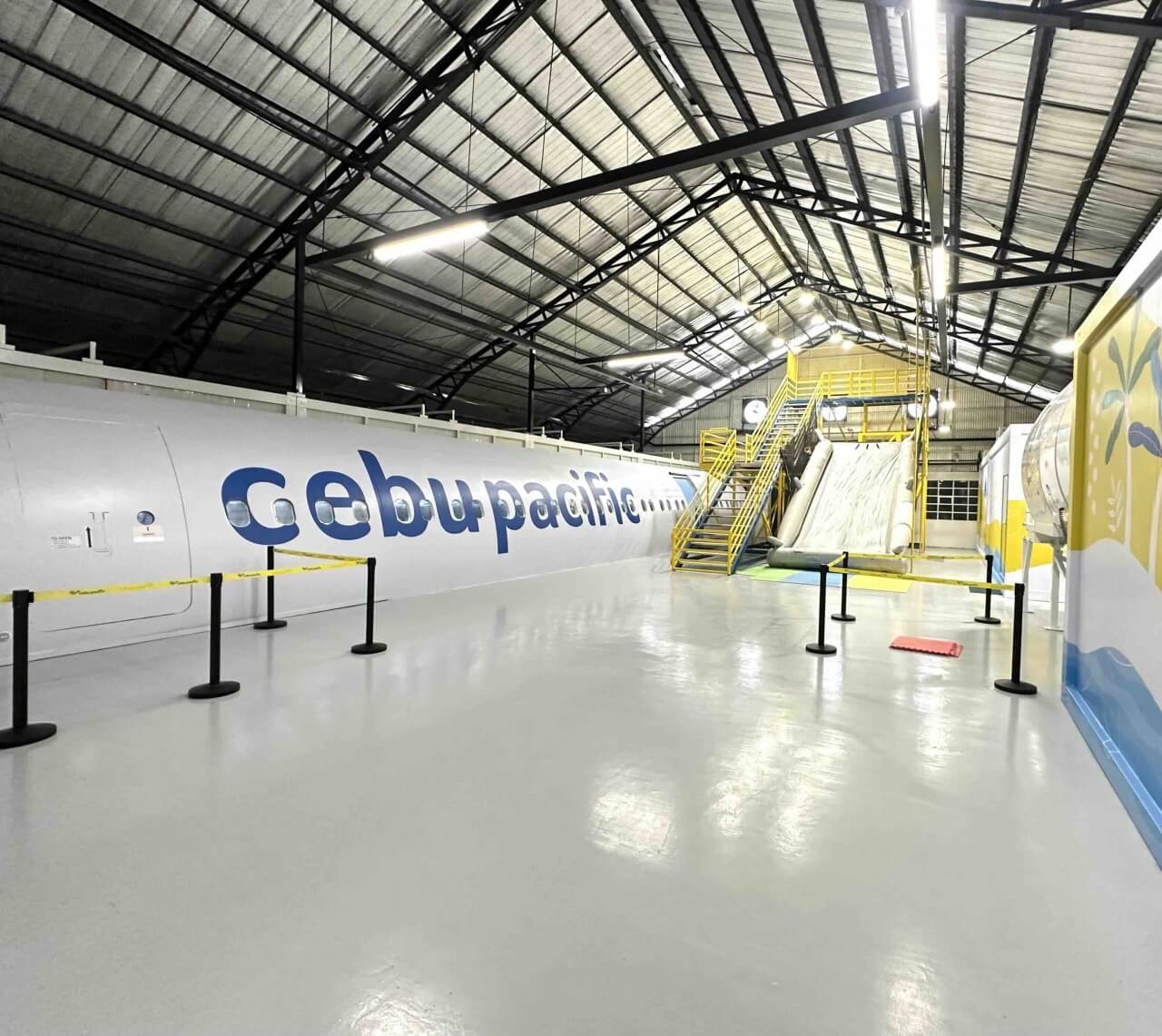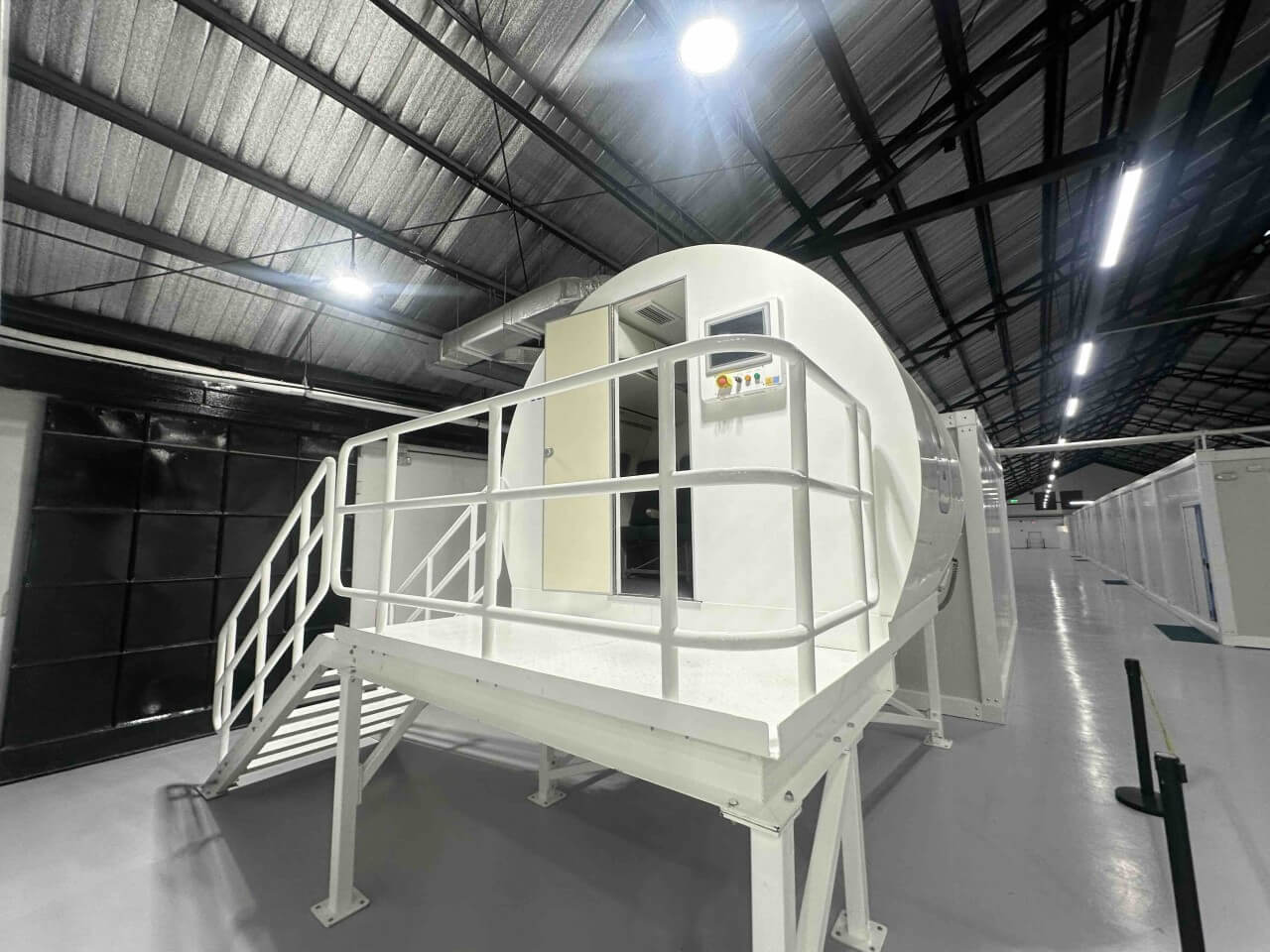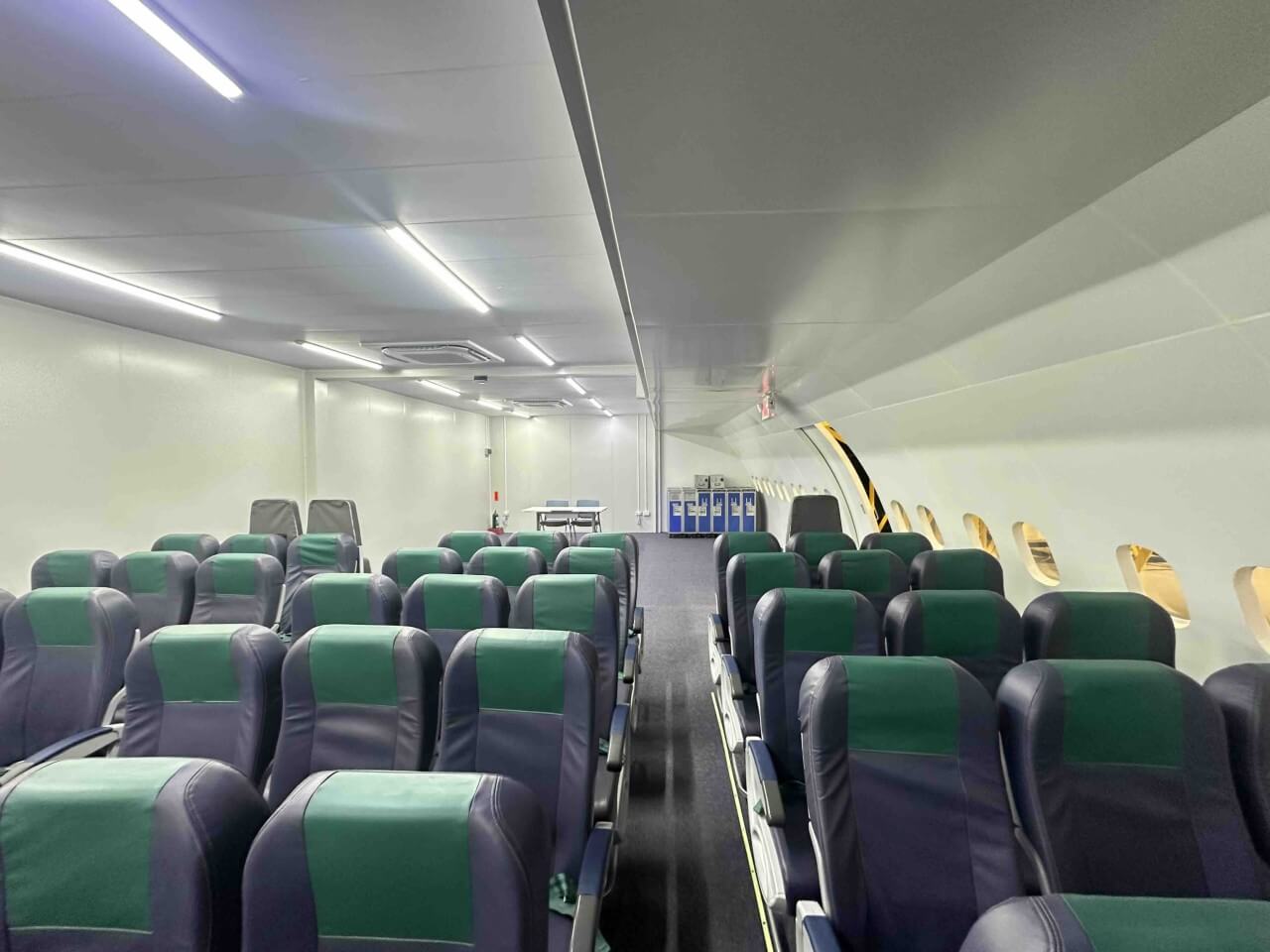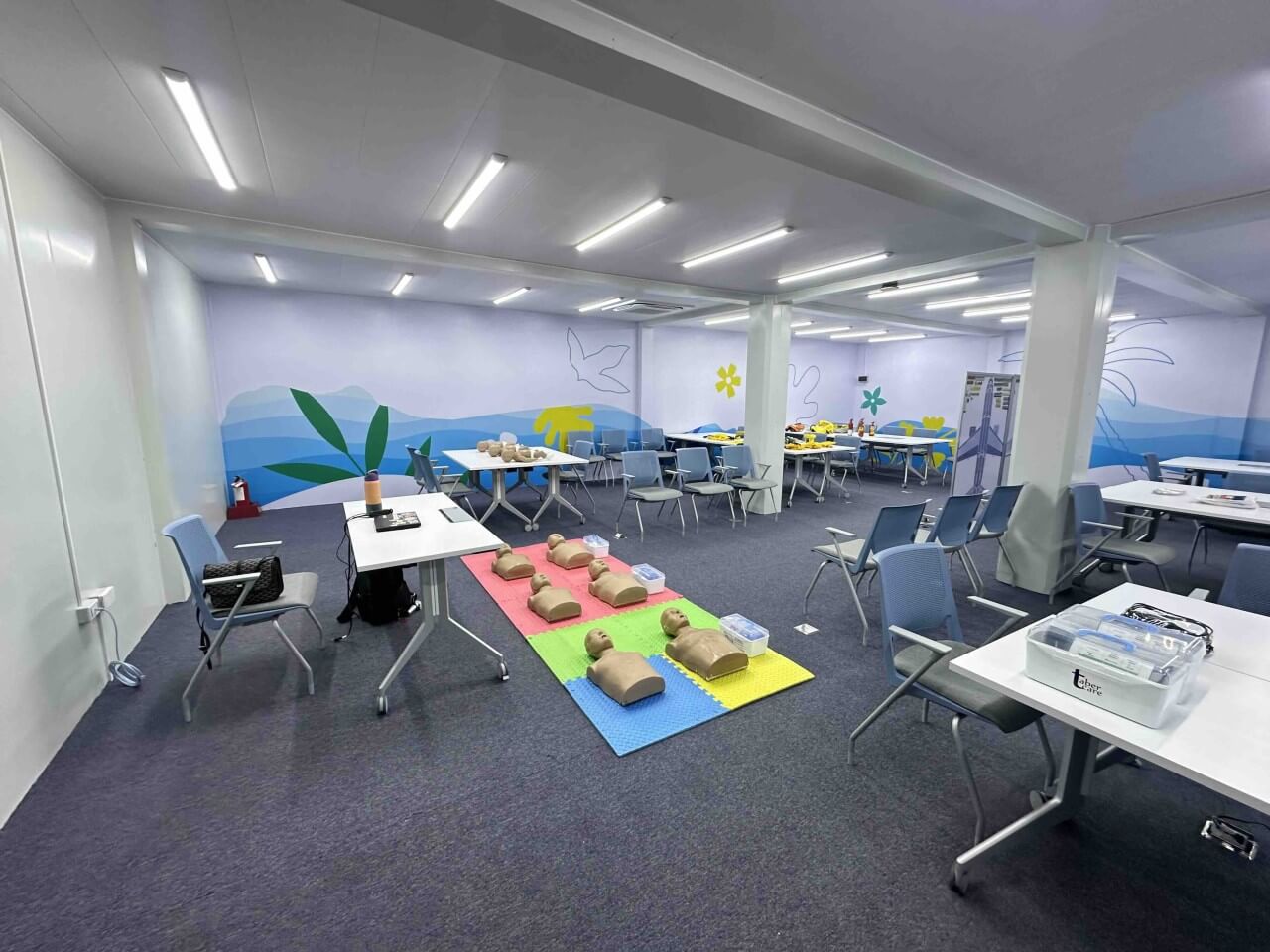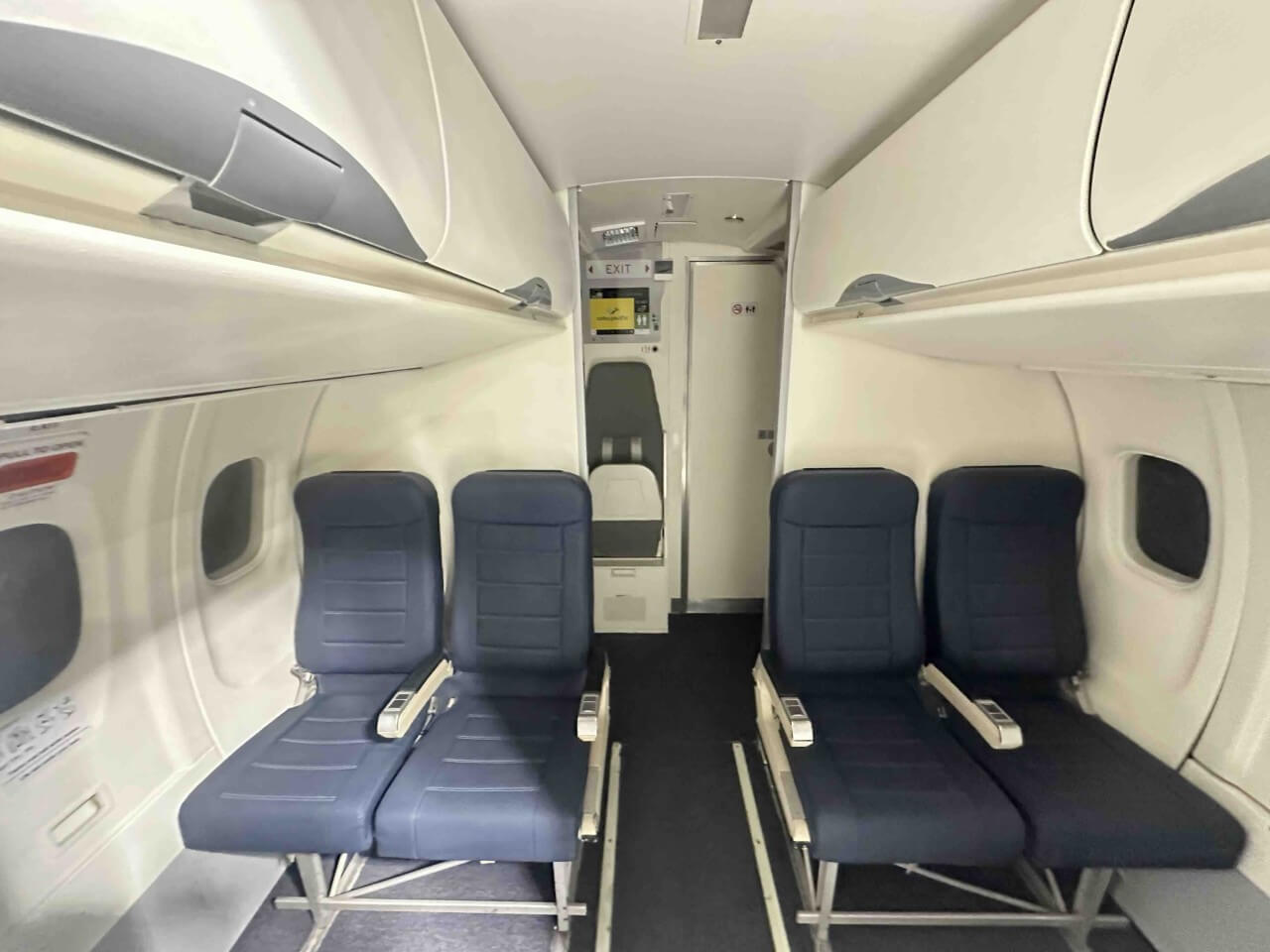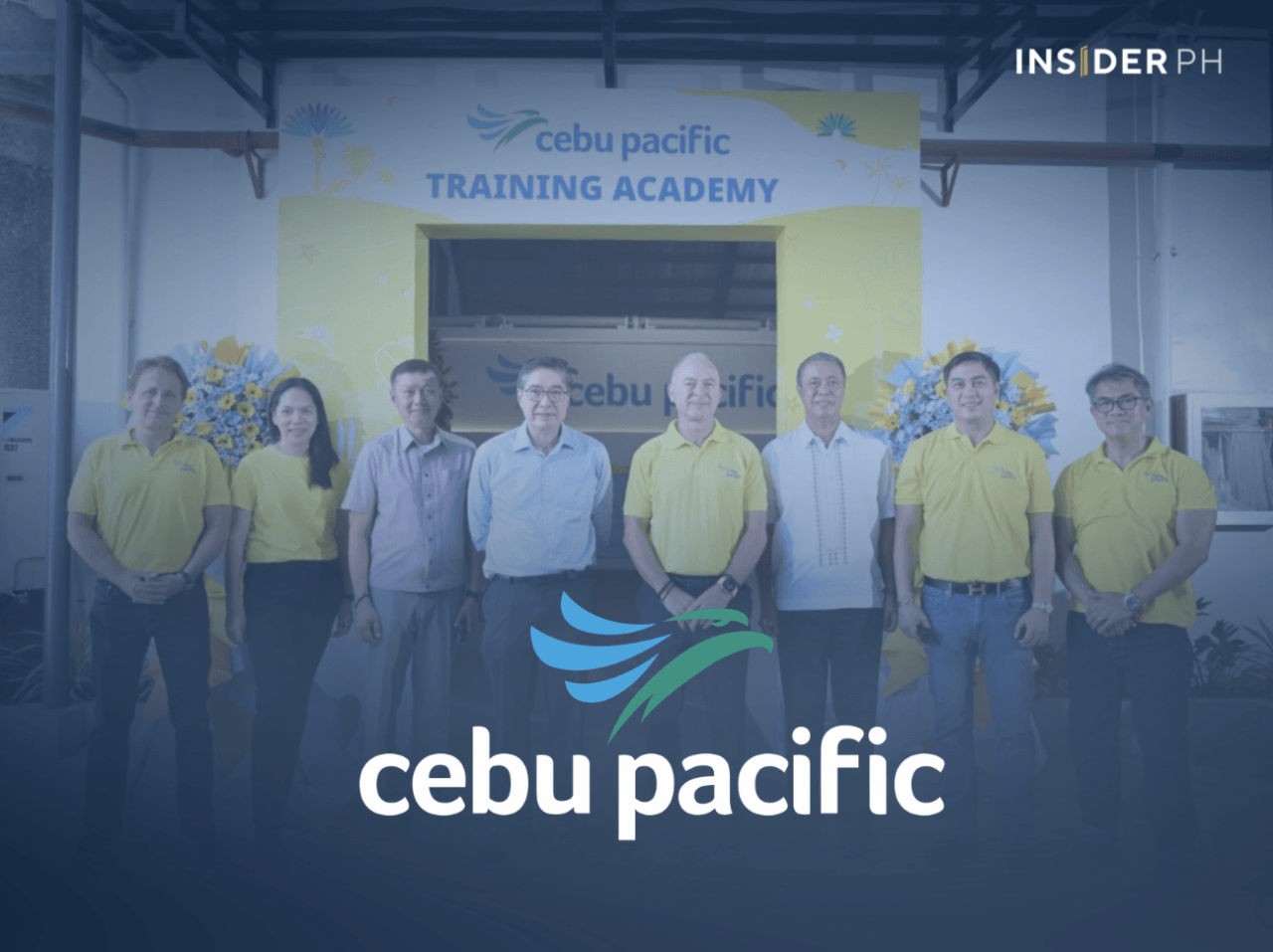
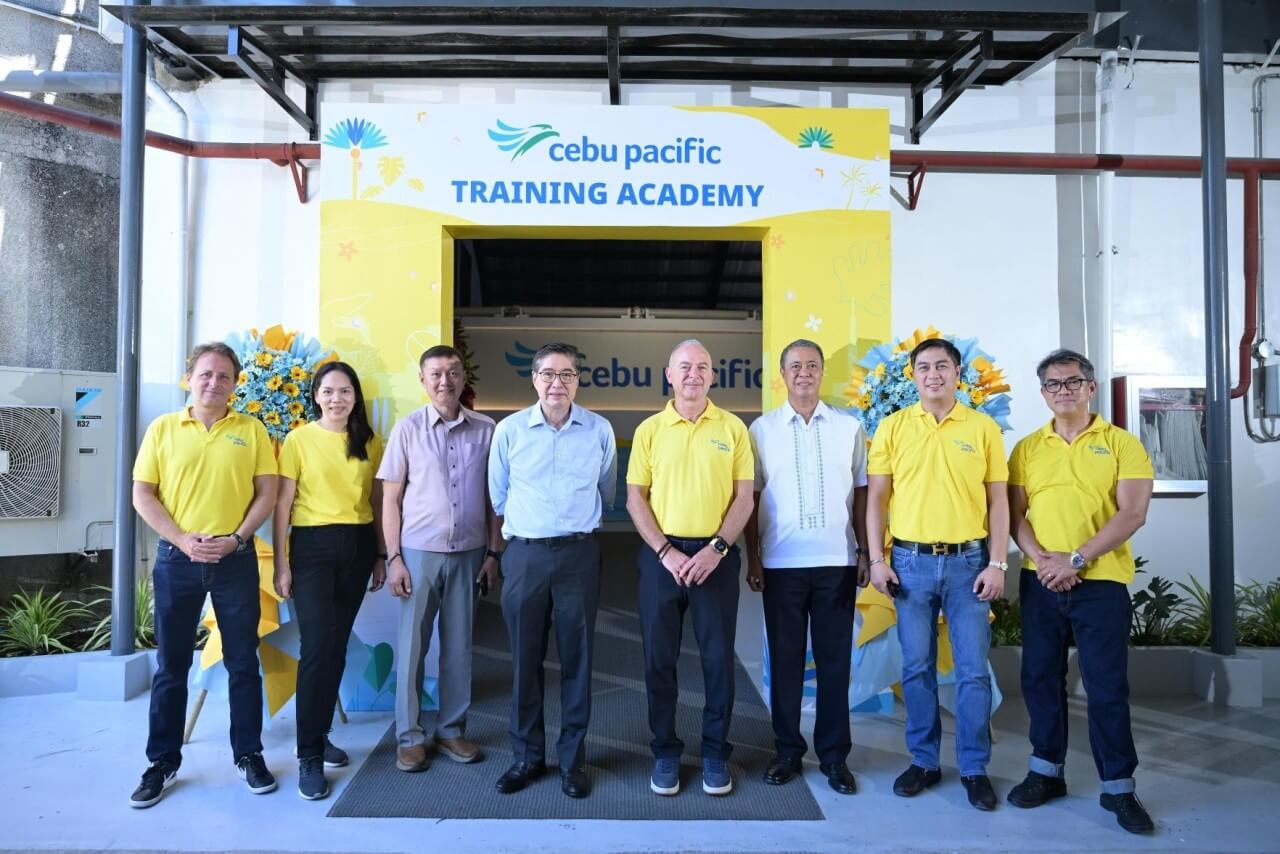
Located in Parañaque City, the facility is equipped with Airbus A330 and ATR door trainers, cabin mock-ups, slide trainers, and simulation-based classrooms designed to mirror real airline operations.
The move reflects the airline’s push to secure its own talent pipeline as it expands, reducing reliance on external training capacity.
“The Cebu Pacific Training Academy reflects our strong commitment and investment in the Philippines and its aviation industry. This facility allows us to stay focused on what matters most: operational excellence, service consistency, and nation-building,” said chief operations officer Javier Massot.
Control over training and quality
By bringing training in-house, Cebu Pacific gains tighter control over how its pilots and crew are trained, from safety procedures to service standards.
The facility is designed to provide hands-on, experience-based learning, allowing trainees to practice real-world scenarios early.
This setup helps ensure consistency across its growing operations.
Feeding the pilot pipeline
To support long-term hiring, Cebu Pacific revived its Cadet Pilot Program in 2024 in partnership with Airworks Aviation.
The program offers structured training and a clear path to employment, with its second batch of graduates completed as of April 2026.
“With this facility, we also seek to contribute meaningfully to the advancement of aviation training standards in the Philippines, and to help raise a generation of more capable and future-ready aviation professionals,” Massot added.
Supporting expansion
Cebu Pacific operates the widest network in the Philippines, serving 35 domestic and 26 international destinations across Asia, Australia, and the Middle East.
Ongoing recruitment for cabin crew, combined with the new academy, is expected to ensure the airline has the manpower needed to sustain growth and maintain service consistency.
—Edited by Miguel R. Camus