Insider Spotlight
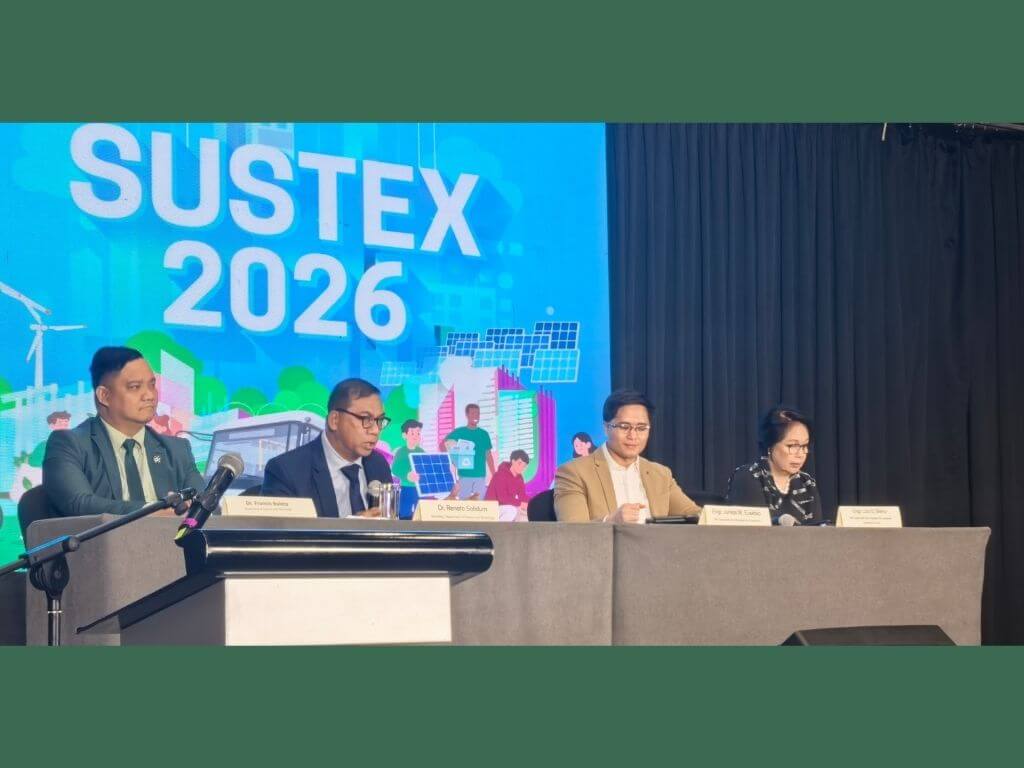
“We want to make science and technology and innovation relatable. One way to do this is to look at the Sustainable Development Goals. But then you need to translate [these goals] so that they can understand it," Solidum said during the press conference.
Solidum said the DOST's first strategic pillar focuses on improving human well-being through science-based solutions. “So our first program is to address this by promoting human well-being, to address health, nutrition, food quality, education, shelter, clothing, environment, transport and mobility," he added.
Why it matters
The expo, organized by SM Prime Holdings Inc., SM Supermalls, DOST, and ARISE Private Sector Alliance for Disaster Resilient Societies, highlighted technologies that could help businesses lower costs while supporting the country's sustainability and resilience goals.
Solidum said DOST's second pillar centers on commercializing research to generate economic opportunities.
“The second and very important strategic outcome or pillar for us is to foster wealth creation by looking at research and development on various aspects—from agriculture and health to anything related to what we do—and ensure that the results of science, technology, and innovation are commercialized to help enterprises," he said.
He added that the agency's third pillar focuses on protecting lives and livelihoods against disasters and other risks.
"The third pillar is wealth protection. This is simply to address the fact that we're prone to many natural hazards, climate change, global conflict, and other human-related threats. We need to make sure that we don't only save lives, but more importantly, our livelihood. Nothing undermines economic development more than disasters," Solidum said.
The showcase
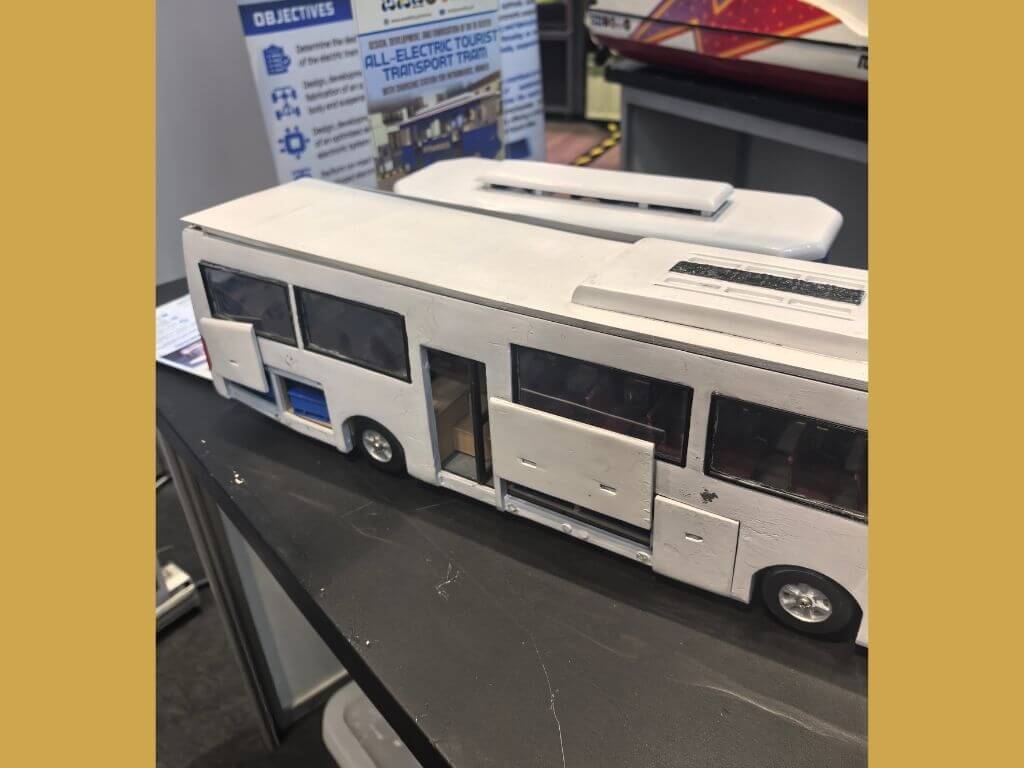
Among the featured innovations was the University of the Philippines-Diliman Electric Mobility Research and Development Group's project to convert a conventional passenger bus into an electric public utility bus.
Electric buses produce zero tailpipe emissions, helping reduce urban air and noise pollution. They also offer lower maintenance costs than conventional buses, making them a cleaner and more cost-effective long-term public transport option, particularly when powered by renewable energy.
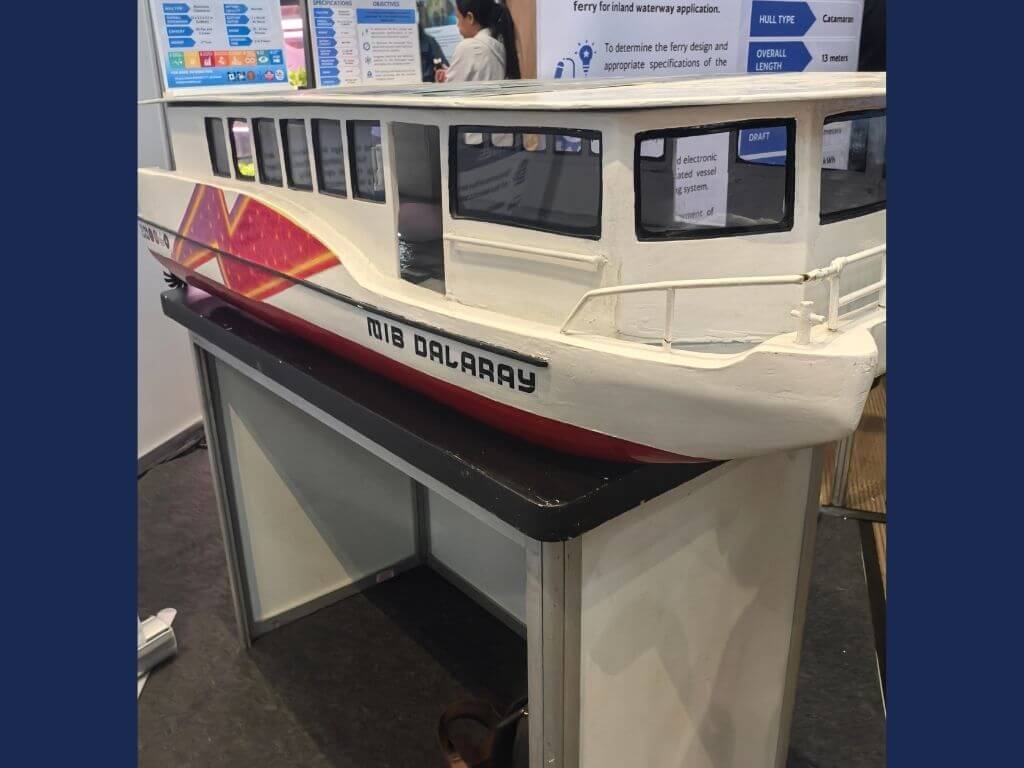
Also exhibited is the small-scale prototype of the electric passenger ferry, M/B Dalaray, which is now deployed in the Pasig River Ferry System.
Developed for inland waterways, the e-ferry integrates specialized electrical systems and a dedicated charging infrastructure to provide cleaner and more efficient transport linking major cities across Metro Manila and lakeside communities around Laguna de Bay.
Partnerships for sustainability
Junias Eusebio, SM Supermalls vice president for operations, said public-private partnerships are essential in scaling sustainable solutions.
"What happens is that every SM Mall now becomes a platform where partnerships can come together and create real impact. We need to create solutions that are not only good for the business but also good for the environment and most importantly, good for the community," Eusebio said.
SUSTEX also aims to equip crucial sectors such as micro, small, and medium enterprises (MSMEs) as well as full-scale nationwide businesses, for economic and climate-related disruptions through scalable sustainable solutions.
Its nationwide mall network serves as a platform for supporting the growth of entrepreneurs through its long-running SM for MSMEs program.
The initiative, under SM Communities, provides entrepreneurs with access to retail spaces across the company's 90 malls nationwide, helping local businesses achieve sustainable growth by connecting them with millions of mallgoers each day.
“We have social equity arms, and one of them is SM Communities, through a program called SM for MSMEs. What we do is help the different MSME communities to have sustainable growth, by providing them a platform in all our malls," SM executive vice president for marketing Joaquin San Agustin said.
The program, he added, is complemented by daily MSME bazaars across SM's mall network, with each mall hosting an average of 10 MSME kiosks.
This translates to around 900 kiosks operating nationwide every day, giving small businesses direct access to millions of shoppers and helping them expand their customer base. —Vanessa Hidalgo| Ed: Corrie S. Narisma