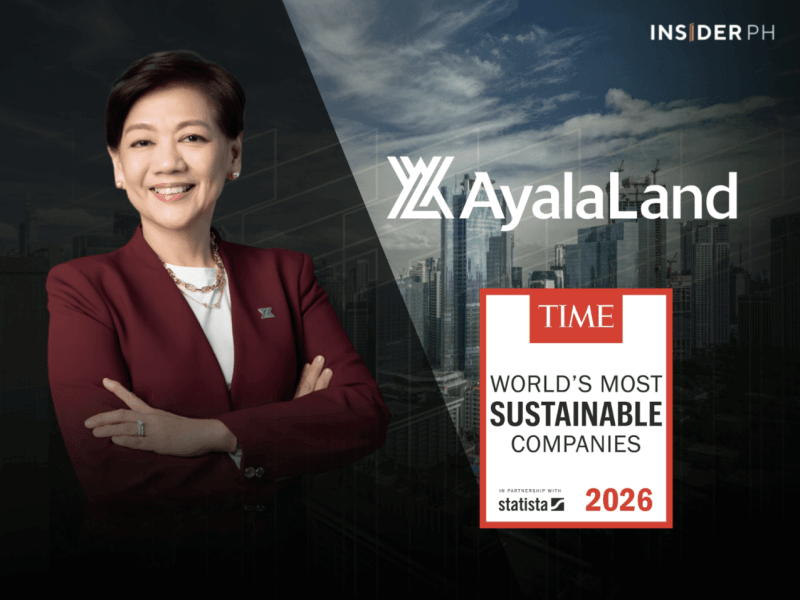
The conglomerate said sustainability has become central not only to its long-term strategy but also to its efforts to address immediate economic pressures caused by volatile global fuel markets.
“Sustainability continues to guide how we respond to the needs of our customers and communities, especially in times of uncertainty,” said Ayala Corp. chief social infrastructure officer Paolo F. Borromeo.
“By operating more efficiently and investing in cleaner, more resilient solutions, we are better able to support Filipino consumers as they navigate today’s challenges,” he added.
Energy transition
Ayala said its energy investments are helping provide more stable and affordable power while reducing dependence on fossil fuels.
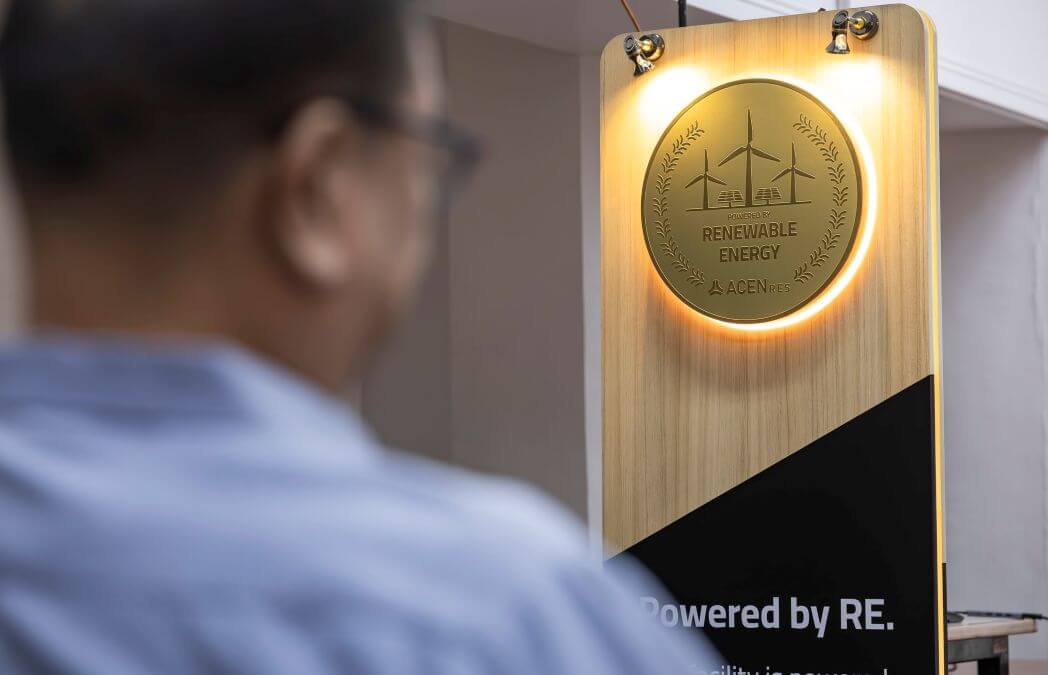
ACEN has expanded its renewable energy portfolio to 7 gigawatts (GW), while ACEN Renewable Energy Solutions continues helping businesses and institutions transition to cleaner energy sources.
Across the Ayala group, around 119 facilities now source electricity from renewables, helping avoid approximately 329,000 tons of carbon emissions annually while generating more than P191 million in electricity savings.
The company said these efficiencies contribute to more sustainable cost structures that ultimately benefit consumers.
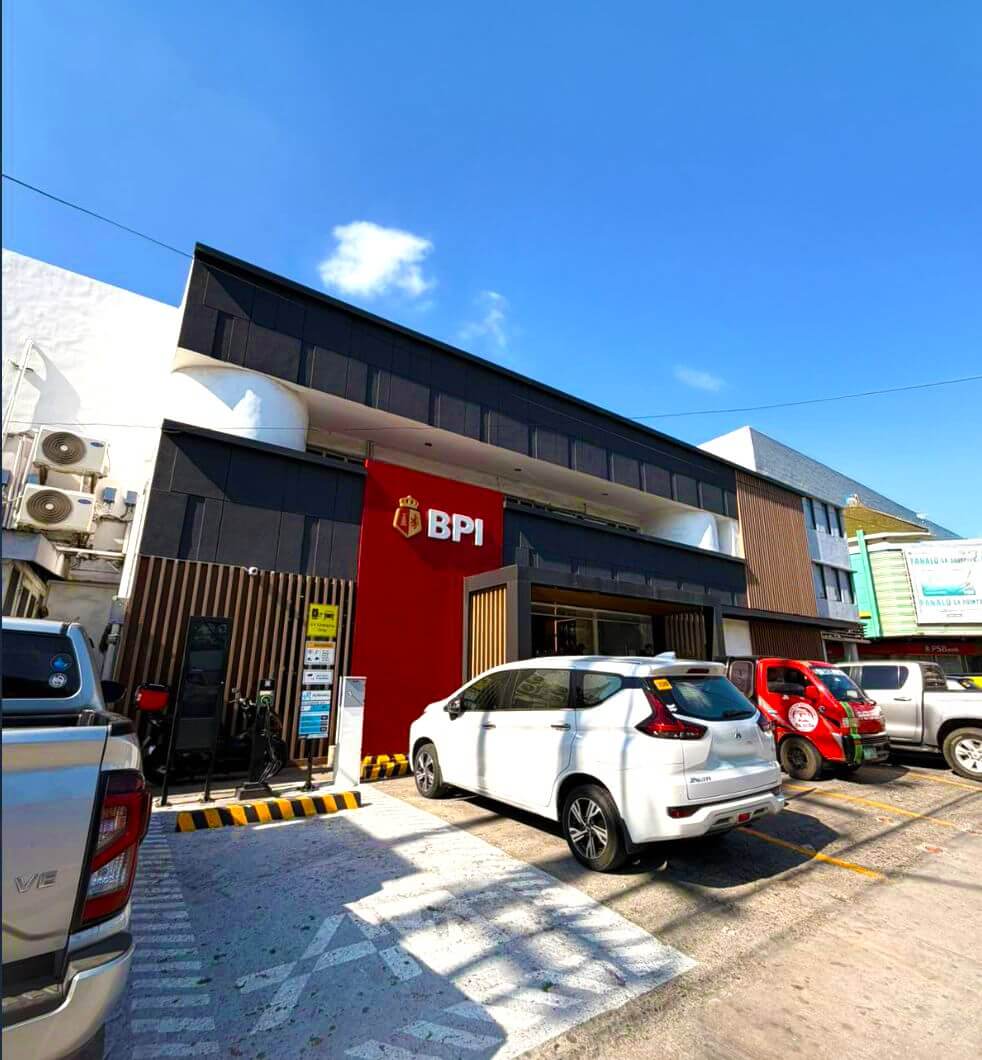
BPI, meanwhile, now powers 70 branches entirely through renewable energy, while Globe has shifted over 3,000 cell sites and smaller facilities to cleaner energy sources.
Ayala said these initiatives help reduce exposure to fuel price volatility while supporting more reliable services and operational stability.
Greener mobility
The company is also pushing electric mobility as a practical response to rising fuel costs.
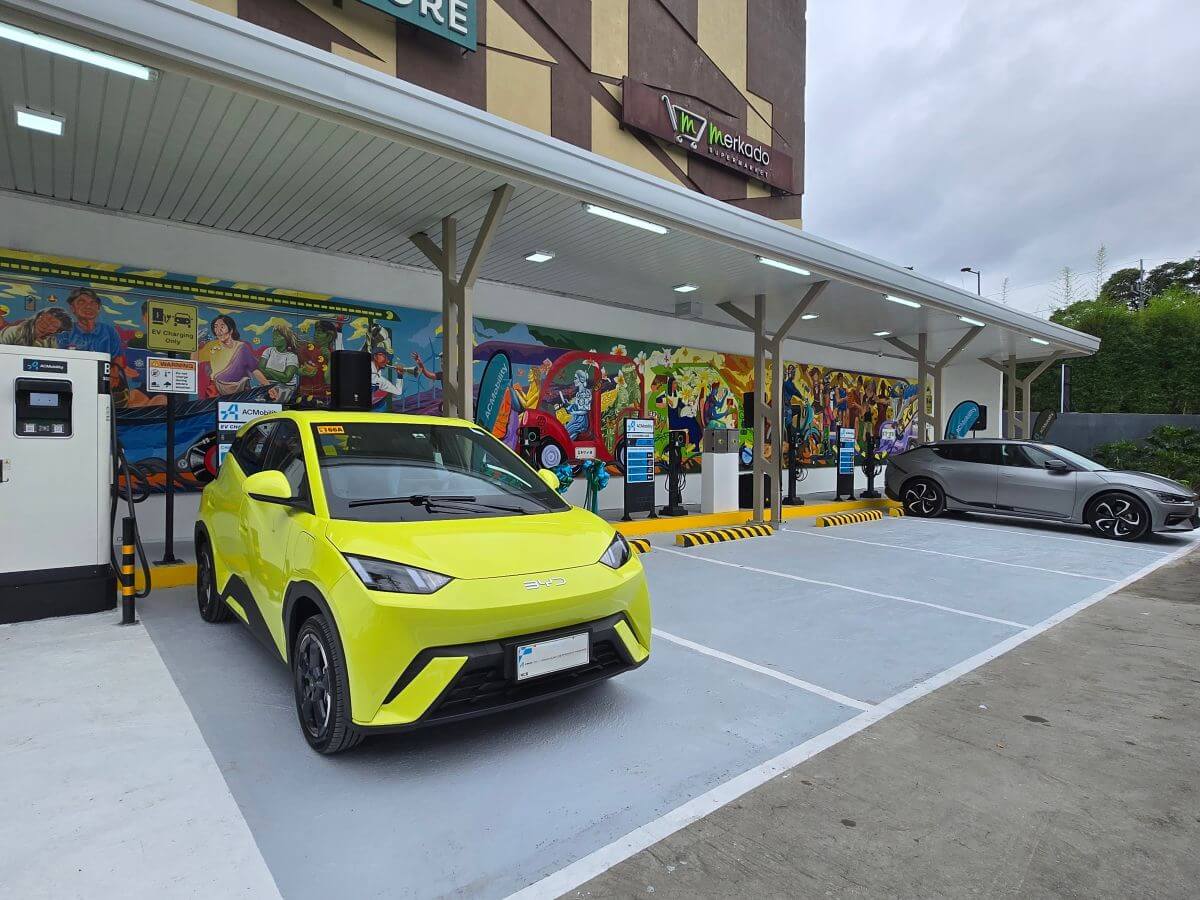
Through ACMobility, Ayala is expanding access to electric vehicles (EVs) and building a nationwide charging network across more than 200 locations.
“At ACMobility, our strategy was underpinned by a strong conviction that the cost of mobility has historically been a pain point for many Filipinos,” said ACMobility CEO Jaime Alfonso Zobel de Ayala.
“Our view is that with the efficiency and durability of battery technology, new energy vehicles directly address this pain point,” he added.
Ayala cited industry data showing electrified vehicles accounted for 12 percent of new vehicle sales in 2025, with demand continuing to rise in early 2026.
The company said EVs charged at home could deliver savings of up to 70 percent compared to gasoline-powered vehicles under current fuel prices. Electric vehicles also generally require lower maintenance costs because they have fewer moving parts and do not require oil changes.
To further promote sustainable mobility, ACMobility partnered with the Department of Tourism for the “Drive Electric. Love Pinas.” campaign, which showcases the viability of electric travel across the country.
Connected communities
Ayala Land is likewise integrating sustainability into urban development through walkable communities that reduce dependence on long commutes and lower transportation costs.
Many Ayala estates now combine residential, commercial, and office spaces with transport hubs and point-to-point (P2P) transport routes to improve accessibility and convenience.
About 98 percent of Ayala Malls also operate on renewable energy and use energy-efficient systems designed to improve operational efficiency and manage costs.
In logistics, AC Logistics is deploying renewable energy in warehouses and cold chain facilities, electrifying delivery fleets, and redesigning supply networks to reduce fuel dependence and improve delivery efficiency.
Digital access
Globe, meanwhile, is expanding affordable connectivity services to help households adapt to rising costs and changing work and learning patterns.
Its GFiber Prepaid service offers faster and more reliable internet access at lower costs, helping families maintain productivity and connectivity.
Ayala said these efforts demonstrate how sustainability initiatives can generate practical and measurable benefits for consumers while helping businesses remain resilient amid economic uncertainty. — Ed: Corrie S. Narisma