Insider Spotlight
Why it matters
In commercial properties, recycling often fails not because bins are missing, but because behavior is inconsistent. EcoStation’s premise is straightforward: remove friction, add incentives, and make outcomes visible, so tenants, employees, and visitors keep recycling long after the launch buzz fades.
Driving the news
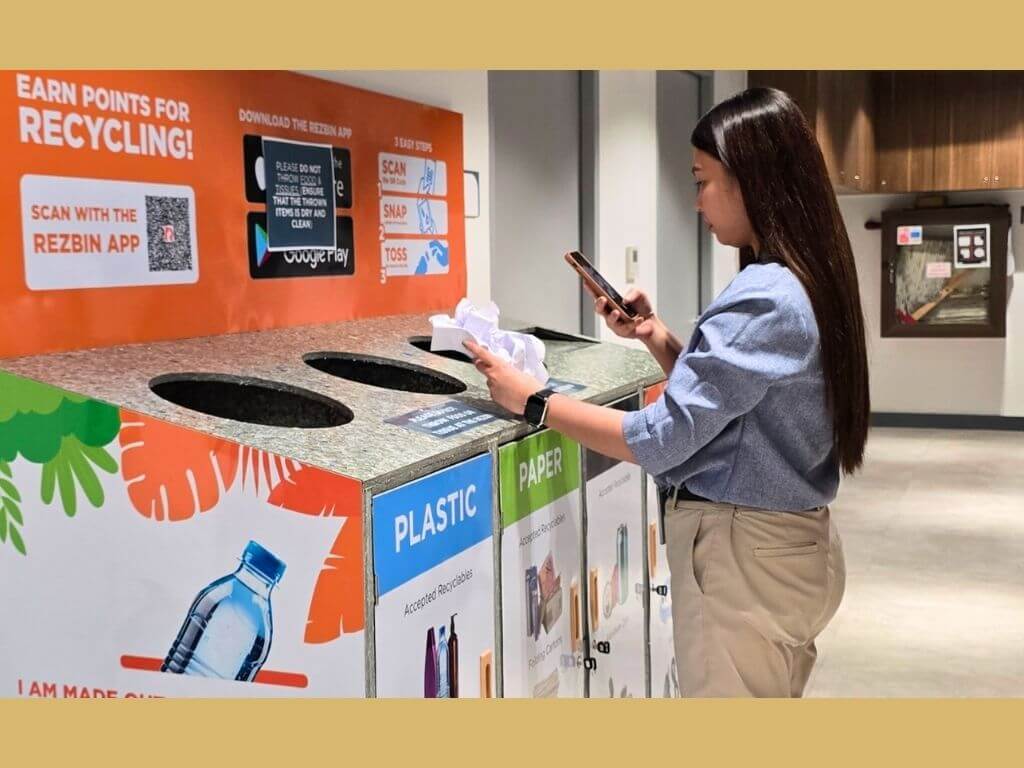
EcoStation integrates Rezbin’s technology-enabled recycling system using a behavior-driven, rewards-based model to encourage proper waste segregation, supported by an app experience built around incentives and habit formation.
What they’re saying
“As a property developer and asset manager, it is our responsibility to build and operate in a way that uplifts communities and protects the environment,” PNB Holdings chief operating officer Joselito Consunji said in a press statement on Jan. 26, 2028. “Our partnership with Rezbin demonstrates PHC’s commitment to responsible business practices. Beyond compliance, we want to take meaningful steps that encourage a culture of sustainability among our employees, tenants, and partners.”
“Rezbin was built on the belief that recycling should be simple, accessible, and impactful,” Rezbin co-founder and CEO Mari Martirez said. “Partnering with PNB Holdings allows us to bring our behavior-driven recycling system to major commercial properties. By using technology and incentives, we’re empowering PNB Holdings' communities to adopt sustainable habits and contribute to real, measurable impact.
How it works
EcoStation runs on a three-step user flow described as scan, snap, and toss. For every valid recycling drop-off, participants earn ecopoints that can be redeemed through the Rezbin app.
Behind the scenes, the system provides app administrators with real-time tracking dashboards to monitor the volume and types of recyclables collected, positioning the program for transparent reporting and measurable environmental impact within PNB Holdings-managed properties.
What’s next
PNB Holdings framed the partnership as part of a broader sustainability strategy that includes improving waste management systems, reducing environmental footprint, and preparing upcoming developments to be among the country’s most responsible and future-ready buildings. — Vanessa Hidalgo | Ed: Daxim L. Lucas