
Insider Spotlight
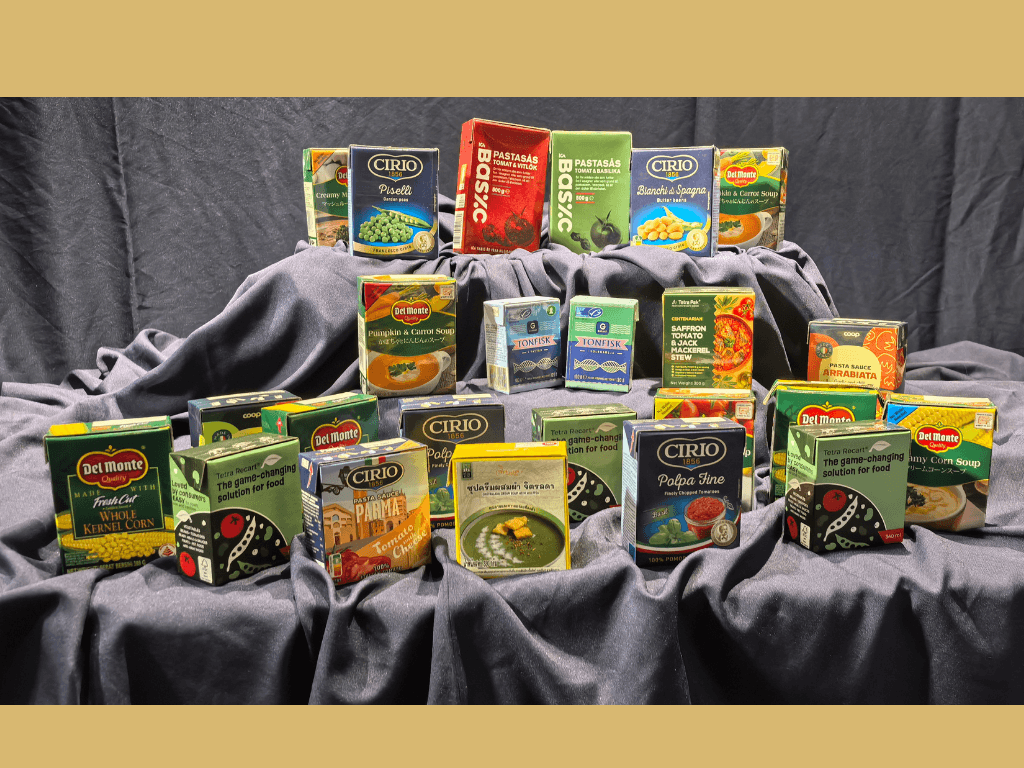
Tetra Pak is introducing its Tetra Recart packaging format to local tuna processors following its commercial debut in Europe earlier this year. The technology offers an alternative to conventional metal cans while maintaining shelf stability without refrigeration.
Cost-competitive products
Local tuna exporters are under growing pressure to keep prices competitive while meeting overseas demand for more sustainable packaging and a wider range of products.
Data from the Bureau of Fisheries and Aquatic Resources shows that the Philippines exported 130,708 metric tons of tuna worth $479 million in 2024, with canned products accounting for the largest share.
“Tuna has been around for quite some time. It faces the issues of mainstream commoditization. Meaning to say, if you go to the export markets, you can see that every tuna producer, every tuna processor would have the same look,” business development director of Tetra Pak Malaysia, Singapore, Philippines, and Indonesia Larry Tobias said during the media launch.

Production efficiency
“The Philippines has a strong foundation as one of the world’s leading tuna exporters. The next phase of growth will depend on the industry’s ability to respond to changing expectations in international markets, including the growing focus on lower-carbon packaging,” he added.
Tetra Recart's rectangular, paper-based packaging allows manufacturers to make better use of storage space while making products easier to transport and handle during production.
Tobias said that manufacturers can choose semi-automated or highly automated production lines depending on operational requirements.
The Tetra Recart packaging also withstands high-temperature retort processing, allowing tuna products to remain shelf-stable without refrigeration.
However, he pointed out that Tetra Recart is not intended to replace traditional metal cans or glass jars but to provide food manufacturers with a cost-competitive packaging alternative.
Lower carbon footprint than steel cans
According to the company, Tetra Recart has an 85 percent lower carbon footprint than steel cans and an 83 percent lower footprint than glass jars.
Up to 71 percent of the packaging consists of Forest Stewardship Council-certified paper, sourced from responsibly managed forests and other controlled sources to support sustainable forest management.
Combines convenience with durability
Consumer research commissioned by Tetra Pak found that more than 80 percent of respondents would consider buying tuna packaged in Tetra Recart.
“We found out that 8 in 10 would buy tuna in Tetra Recart packages. For what reasons? First you have those different sizes. So, it allows for producers to segment and to expand their portfolio and innovate their products to break the commoditization cycle,” Tobias added.
Tetra Recart combines consumer convenience with packaging durability, offering a lightweight, easy-to-open format that allows users to pour and transfer food products without additional tools while minimizing spills.
Strengthen food availability during El Niño
Beyond exports, shelf-stable packaging could also help strengthen food availability during El Niño-related disruptions.
The technology could help keep seasonal harvests from going to waste by allowing processed food to last longer without refrigeration, particularly in areas where cold storage facilities are limited. —Vanessa Hidalgo | Ed: Corrie S. Narisma