
Insider Spotlight
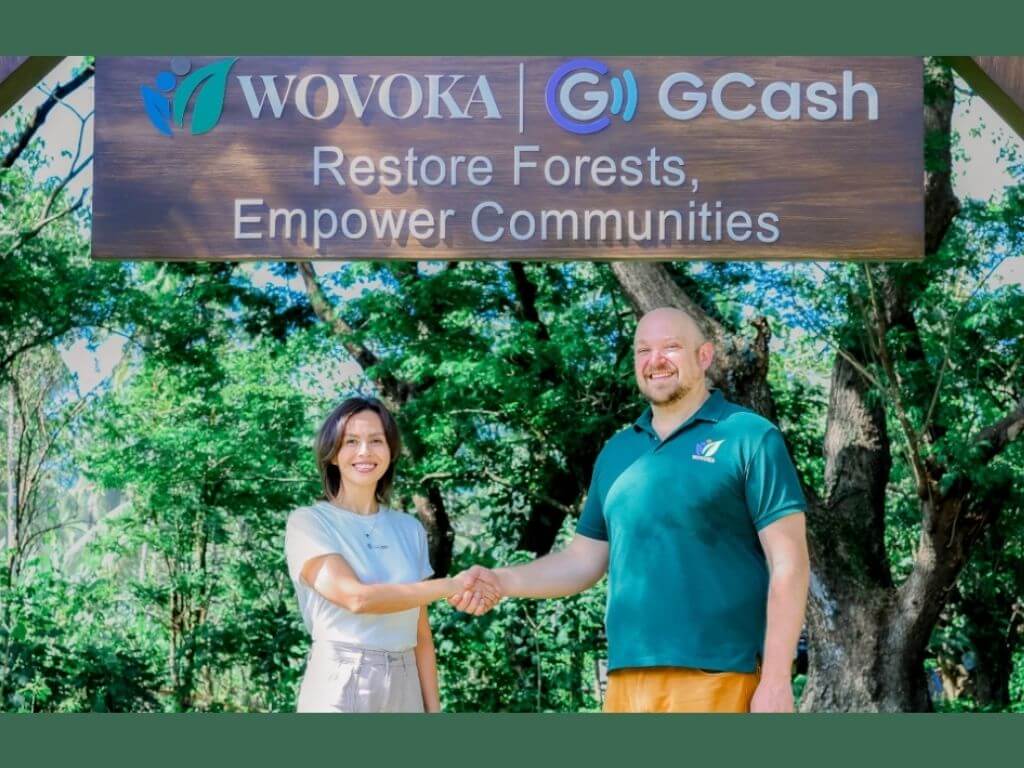
The partnership, formalized through a memorandum of agreement in observance of Philippine Arbor Day, will run from 2026 to 2030 and targets degraded upland forests and coastal ecosystems.
The companies said the initiative seeks to improve biodiversity, restore watersheds, strengthen coastal protection, and reduce erosion through science-based restoration planning and long-term monitoring.
Why it matters
The Philippines continues to face mounting climate risks as deforestation and coastal degradation leave communities more vulnerable to flooding, storm surges, biodiversity loss, and declining natural resources.
The project positions ecosystem restoration as a nature-based solution that complements broader climate adaptation and mitigation efforts while helping communities build resilience.
Through GForest, users can contribute to the initiative by earning green energy points from everyday digital transactions, which are converted into tree-planting efforts.
The companies said the digital platform enables more Filipinos to participate in environmental conservation while supporting on-the-ground restoration projects.
What they’re saying
“This tech for good partnership with Wovoka Philippines, we are utilizing the scale of GCash to build real-world ecological barriers and secure green livelihoods for the communities that need them most,” GCash general manager of sustainability and corporate communications Michelle Fernandez said in a press statement.
Wovoka will ensure that restoration efforts use only native and ecologically appropriate species to improve adaptation to local conditions, support indigenous wildlife, and restore natural ecological processes.
The bottom line
Beyond planting trees, the project incorporates local communities into forest restoration by employing residents to plant, monitor, and maintain restoration sites.
Farmers and coastal workers will receive stable income streams, while participating families will be provided year-round stipends for nursery care and site patrols, helping reduce seasonal income gaps.
The partners said the initiative demonstrates how digital technology, environmental science, and community participation can work together to deliver measurable environmental and socioeconomic benefits. —Vanessa Hidalgo | Ed: Corrie S. Narisma