Insider Spotlight
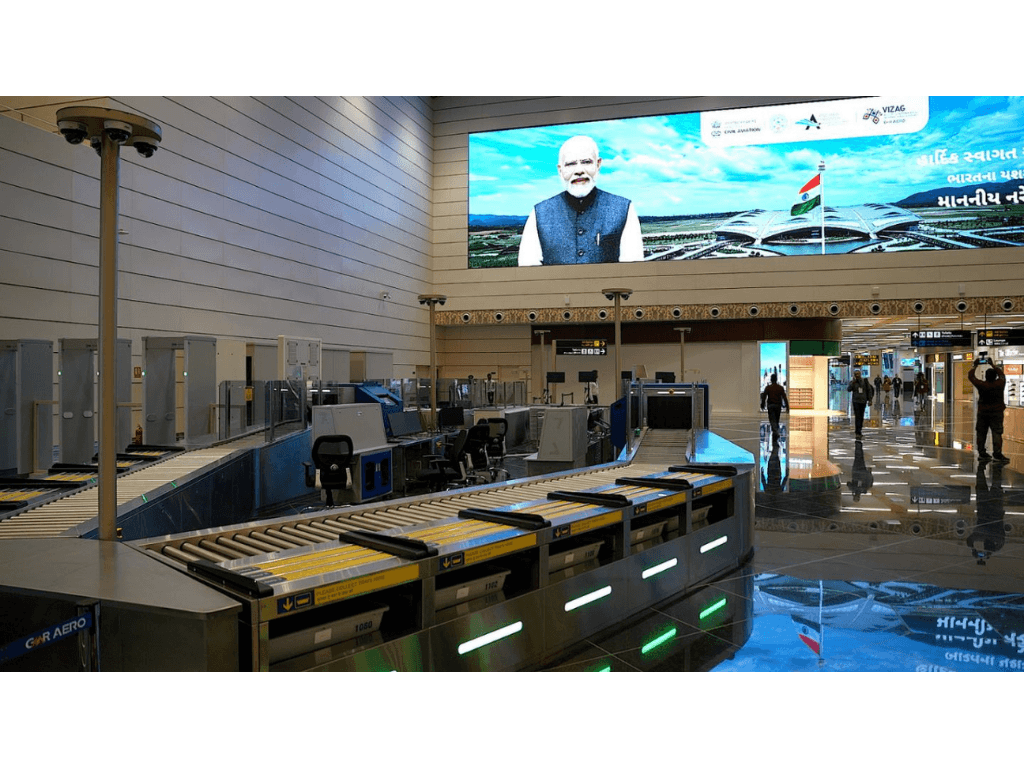
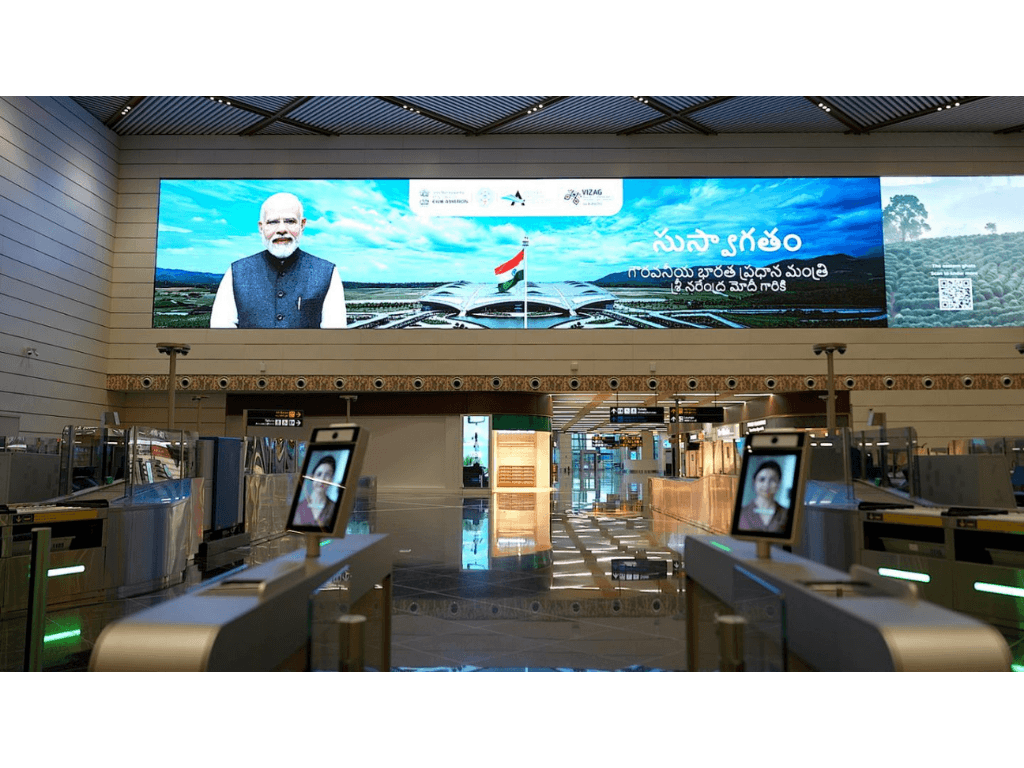
The Alluri Sitarama Raju International Airport, or Vizag Airport, in Bhogapuram, Andhra Pradesh, was inaugurated by Indian Prime Minister Narendra Modi and is positioned as India’s new “Gateway to Southeast Asia.” The next-generation smart airport was developed for more than $587 million through a public-private partnership.
Why it matters
Its location could help open more direct commercial connections between India and ASEAN markets, including the Philippines. Full commercial operations begin Aug. 17, with initial capacity of six million passengers annually and plans to eventually accommodate more than 40 million.
The development comes as GMR seeks to build on its Philippine track record, which includes the transformation of Mactan-Cebu International Airport and development of Clark International Airport’s modern passenger terminal.
What they're saying
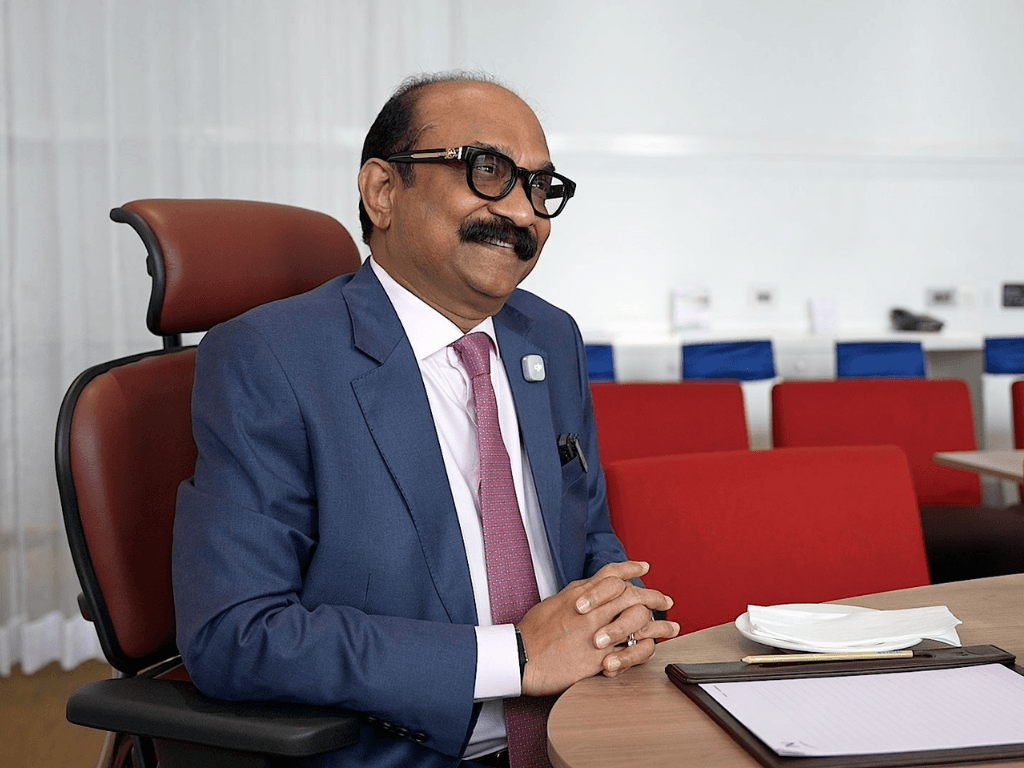
“We'll be more than happy, because we have already done two projects in the Philippines in recent years. And certainly, as a private investor, we'll be more than happy to look at good opportunities, including Sangley and other regional airports, which will be a win-win for both of us, between India and the Philippines,” GMR Group chair for energy and international airports Srinivas Bommidala said.
GMR has partnered with Cavitex Holdings Inc. and House of Investments for the proposed Sangley Point International Airport and Sangley Aerocity in Cavite, projects intended to help ease congestion at Ninoy Aquino International Airport.
The bigger picture
The push coincides with closer Manila-New Delhi economic ties. During President Marcos’ India visit last year, GMR discussed Sangley and opportunities in other Philippine regional gateways. The Sangley development is projected to create as many as 15,000 direct and indirect jobs.
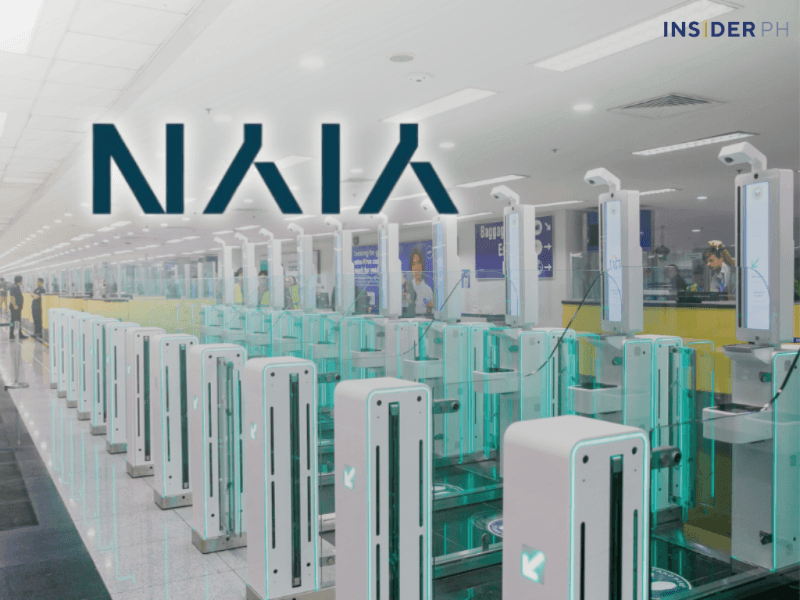
Vizag Airport itself combines a 3,800-meter runway and smart passenger systems with AI-enabled services, biometric technology and predictive airport operations. GMR is also planning a 500-acre aviation hub for maintenance, repair and overhaul, manufacturing and training.
“We’ll be more than happy to tie up with multiple countries and multiple aviation ecosystems for training,” Bommidala said, adding that they expect “a lot of Filipino people to come in and get trained as well.” —Daxim L Lucas| Ed: Corrie S. Narisma