The Investment Coordination Committee-Cabinet Committee (ICC-CC) approved the LRT-1 South Extension Common Station, the Technical Education and Skills Development Authority's Boosting Employability in Strategic TVET Sectors (BEST) project, the Philippine Geothermal Resource Derisking Facility and the Philippine Seismic Risk Reduction and Resilience Project.
All four projects will be elevated to the Economy and Development Council, chaired by President Ferdinand Marcos Jr., for final approval.
Daily impact
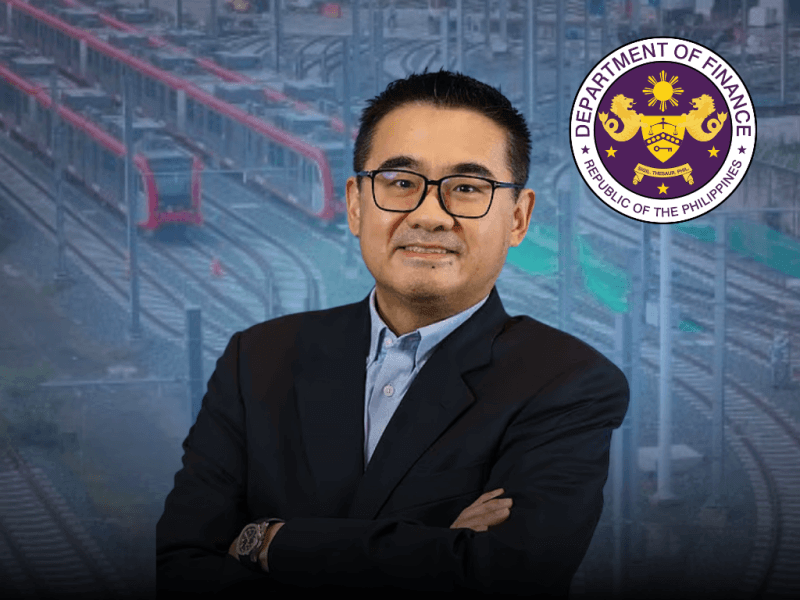
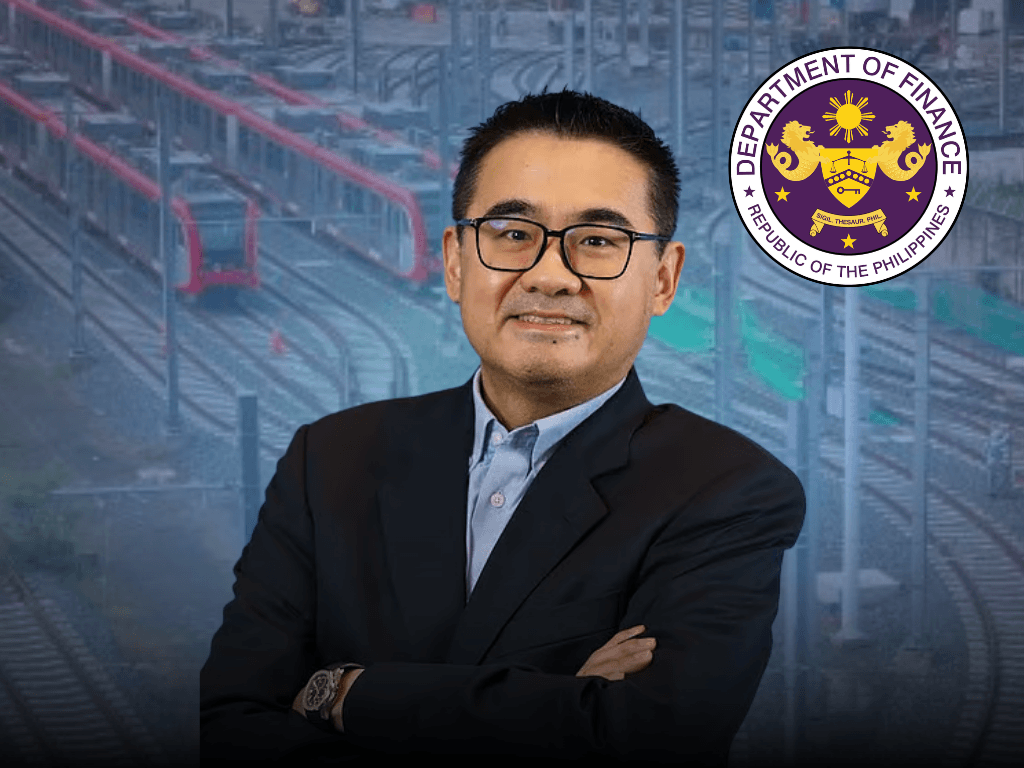
Finance Secretary and ICC-CC Chair Frederick D. Go said the projects were designed to deliver practical benefits to Filipinos, particularly commuters, workers, households, businesses and communities exposed to natural hazards.
"Rail projects give people back their time. A seamless connection between LRT-1, MRT-3, MRT-7, and the Subway means shorter commutes, more hours with family, and workers who can reach more opportunities across the city," Go said.
"The ICC process exists to make sure every project we endorse delivers real outcomes for Filipinos," he added.
Rail connection
The approval of the LRT-1 Common Station clears the way for the construction of the Unified Grand Central Station along North Avenue in Quezon City.
The Department of Transportation project will serve as a major transit hub linking LRT-1, MRT-3, the incoming MRT-7 and the Metro Manila Subway under one integrated facility.
The common station is expected to serve about 1.28 million passengers daily, helping reduce travel time, lower commuting costs and improve access to jobs and services across Metro Manila.
Government officials said the project would also help maximize the value of the country's expanding rail network by making transfers between major lines more convenient.
Skills training
The ICC-CC also approved TESDA's BEST project, which seeks to expand access to high-quality and industry-aligned technical and vocational education and training.
The program will focus on sectors with strong demand for skilled workers, including manufacturing, construction, information and communications technology, and agri-fishery.
The project aims to help more Filipinos acquire in-demand skills that can lead to better employment opportunities and higher incomes.
It is also expected to strengthen the country's talent pipeline as the government seeks to support industrial growth, innovation and competitiveness.
Clean energy
Also approved was the Philippine Geothermal Resource Derisking Facility, a Department of Energy project backed by a sovereign loan from the Asian Development Bank and implemented through the Land Bank of the Philippines.
The facility aims to reduce the financial risks of early-stage geothermal exploration, a key barrier to private investment in renewable energy development.
By lowering exploration risks, the project is expected to unlock more private capital for the country's geothermal resources and help strengthen energy security.
The government said the facility would support efforts to provide cleaner, more reliable and more affordable electricity to Filipino consumers.
Earthquake resilience
The ICC-CC also cleared the Philippine Seismic Risk Reduction and Resilience Project of the Department of Public Works and Highways.
The project will support the seismic retrofitting of school buildings in Metro Manila and strengthen DPWH's capacity to respond quickly to disasters.
It is intended to improve the country's preparedness for major earthquakes and help ensure that schools remain safe and operational during and after seismic events.
Taken together, the four projects reflect the Marcos administration's push to invest in infrastructure and human capital that deliver tangible benefits, strengthen resilience and support long-term economic growth.
Government officials said the initiatives are aligned with the goal of building a more connected, competitive, resilient and inclusive economy. —Ed: Corrie S. Narisma