Insider Spotlight
AI-driven banking is rapidly shifting from a back-end efficiency tool to a gateway for broader financial participation, as Manila-based Maya demonstrated at Hong Kong FinTech Week 2025.
With millions still borrowing from informal lenders, AI is becoming the catalyst enabling more individuals to enter the formal financial system—safely and responsibly.
What’s happening
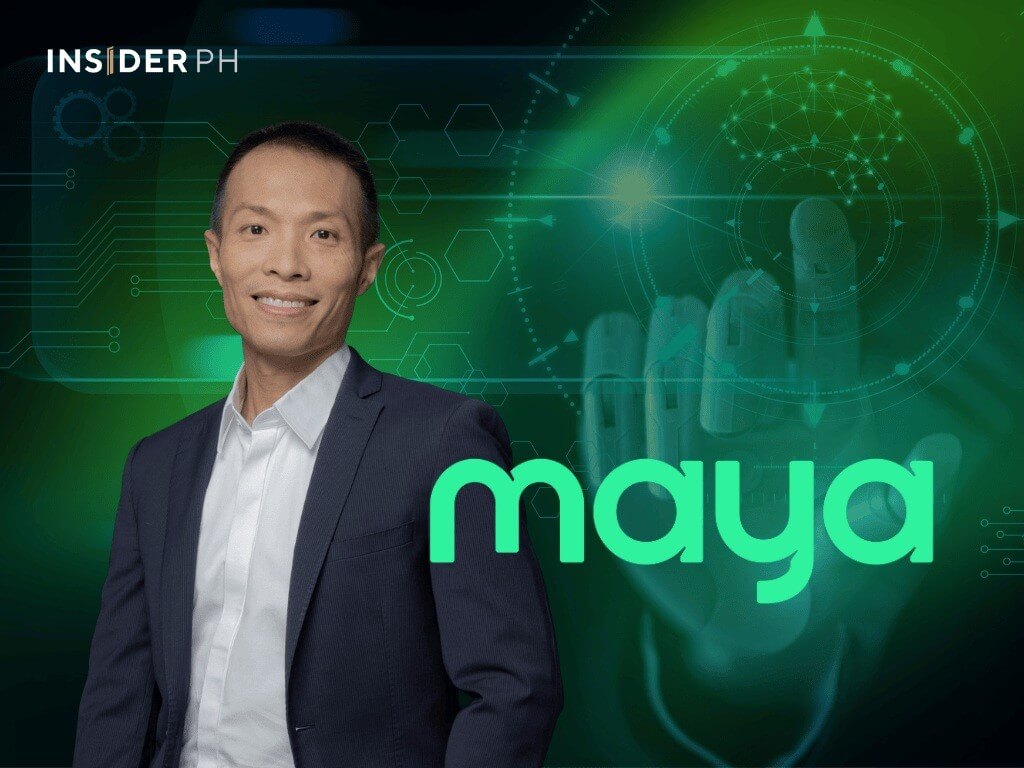
Maya Group chief technology officer Alfred Lo told global fintech leaders that AI has become foundational to the company’s mission of inclusion.
“AI is becoming the new infrastructure of finance,” Lo said. “At Maya, we use AI to understand people better, make credit more inclusive, and strengthen trust in every transaction.”
The company—powered by Maya Bank and Maya Philippines—now embeds AI across payments, savings, credit, and fraud detection. Its models digest thousands of behavioral and transactional signals to generate instant lending decisions while keeping risk in check.

Why it matters
The Philippines faces a persistent credit access gap. The Bangko Sentral ng Pilipinas data shows only four percent of adults with loans tap banks, while more than half rely on informal lenders.
This disconnect stems from thin credit files, inconsistent documentation, and legacy scoring systems that exclude millions.
AI-first models tackle these barriers by finding alternative indicators of reliability—how people transact, save, and pay—creating fairer paths to credit.
The impact
Lo emphasized that the objective is not simply automation but ethical expansion of opportunity. “AI helps us design credit for inclusion, not exclusion … making financial health part of everyday life, not a privilege for a few.”
The big picture
Hong Kong FinTech Week’s “Fintech Redefined” theme underscored how AI is remaking global finance—from risk modeling to digital identity. Maya’s experience shows how emerging markets can leapfrog legacy infrastructure, positioning AI not as a threat to trust but as the engine strengthening it.
The bottom line
AI-first banking is proving instrumental in closing financial gaps. Maya’s model demonstrates how responsible, data-driven systems can unlock credit, elevate consumer confidence, and build a more inclusive financial future. —Vanessa Hidalgo | Ed: Corrie S. Narisma