Insider Spotlight
The collaboration positions retail pharmacies as critical health touchpoints, combining clinical expertise with consumer accessibility to address one of the country’s most pressing chronic diseases.
Why it matters
Diabetes remains a growing public health concern in the Philippines, with many cases undiagnosed until complications arise. The partnership targets this gap by embedding prevention and screening into everyday retail experiences.
The strategy
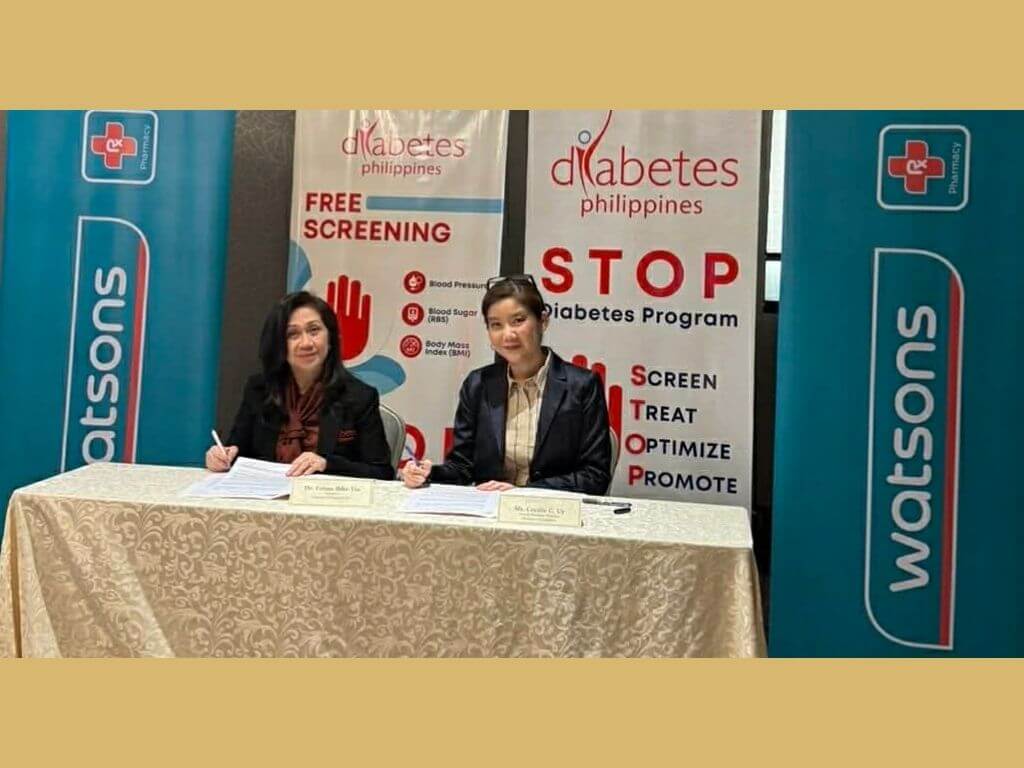
Watsons is anchoring the initiative on three pillars: expertise, accessibility, and education.
The company is upskilling pharmacists through a Diabetes Educator Training Program to deliver patient counseling and disease management support beyond traditional dispensing roles.
At the same time, its store network is being activated as community-based screening hubs, supported by digital tools that extend access to health information and services.
What they’re saying
“Our initiatives are anchored on expertise, accessibility, and education,” Cecille Uy, Watsons health business unit director, said in a press statement.
“By ensuring that every Filipino, regardless of location, has the tools, knowledge, and professional support to manage diabetes, we can effectively contain this epidemic,” said Dr. Fatma Tiu, president of Diabetes Philippines.
Between the lines
The move reflects a broader shift toward preventive care, leveraging high-footfall retail environments to reach patients earlier. Diabetes Philippines highlighted the urgency of identifying the “missing millions” of undiagnosed individuals before complications escalate.
Watsons will initially roll out its community-based screening hubs at Ayala Center Cebu and SM Seaside City Cebu 2 on April 4.
The big picture
Watsons’ footprint of more than 1,200 stores gives the initiative national scale, while its integration of physical and digital channels aims to democratize access to care.
Both organizations are also responding to emerging trends, including rising cases among younger Filipinos and increasing prevalence of pre-diabetes.
What’s next
The partnership will expand screening services, training programs, and in-store education campaigns through 2026, reinforcing a shift from reactive treatment to proactive, community-based healthcare delivery. —Vanessa Hidalgo | Ed: Corrie S. Narisma