Insider Spotlight
Cervical cancer is largely preventable, yet continues to claim the lives of an estimated 12 Filipino women each day. Health experts stress that early detection through regular screening is critical to reducing deaths and ensuring women remain active contributors to the economy.
The big picture
National Cervical Cancer Awareness Month, observed in May under Presidential Proclamation No. 368, is driving renewed attention to workplace-based health access.
Women play a central role in sustaining businesses, households, and communities, but competing demands often push their own health needs aside—making accessible, routine screening essential to maintaining both well-being and economic participation.
What’s happening
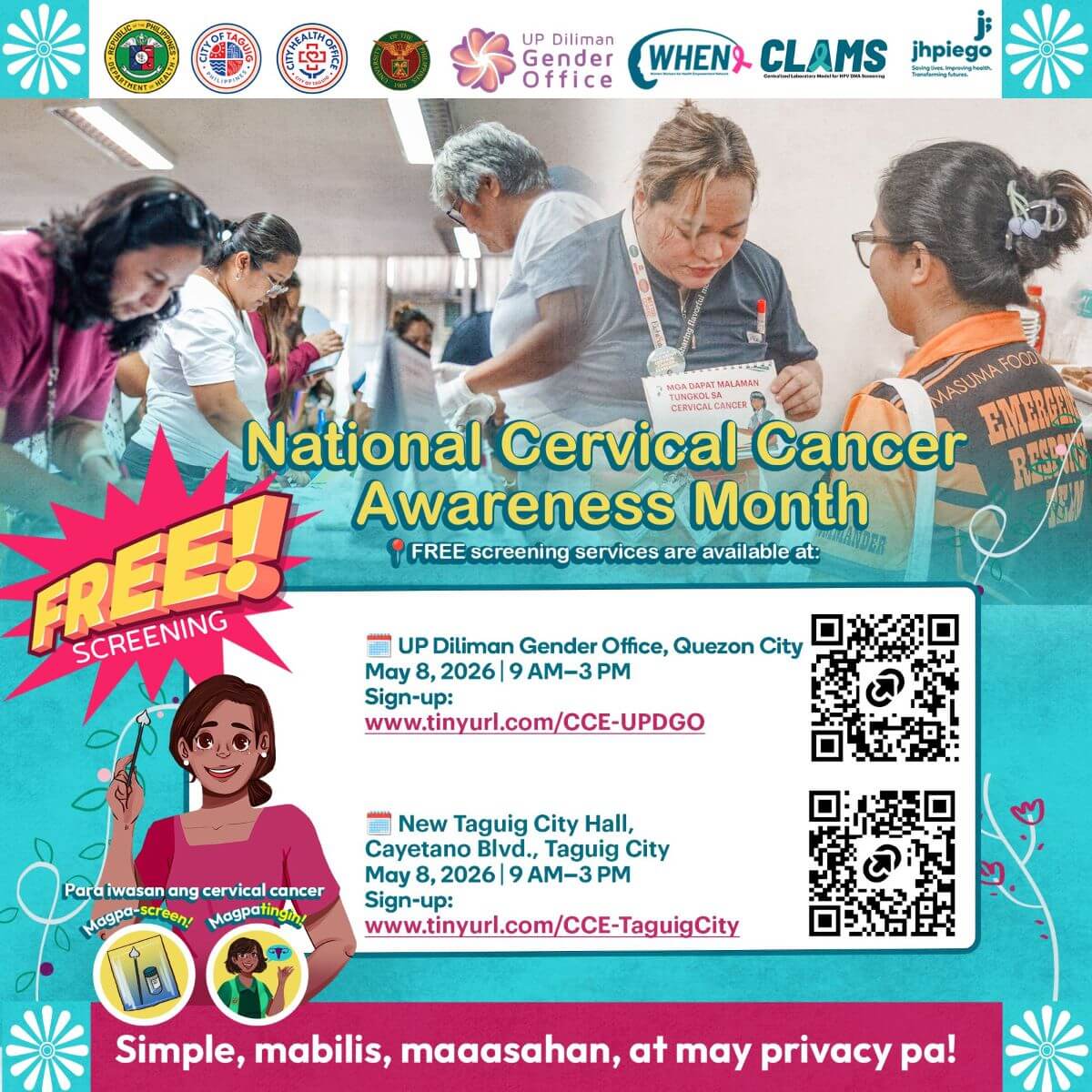
The Department of Health, Taguig City Health Office, UP Diliman Gender Office, Women Workers for Health Empowerment Network, DOLE Bureau of Working Conditions, and Jhpiego are scaling up services through the CLAMS 2 Project.
In a company release, partners highlighted that improving access to preventive care supports not only individual health outcomes but also workforce stability and long-term productivity.
How it works
The CLAMS 2 Project uses a “hub-and-spoke” model, where centralized laboratories process HPV DNA samples collected from multiple community and facility-based sites, ensuring efficiency and timely linkage to care.
What’s new
Free HPV DNA screening via self-collection will be available on May 8, 2026, at UP Diliman and Taguig City Hall. The method allows women to test safely and privately, helping increase participation.
What they’re saying
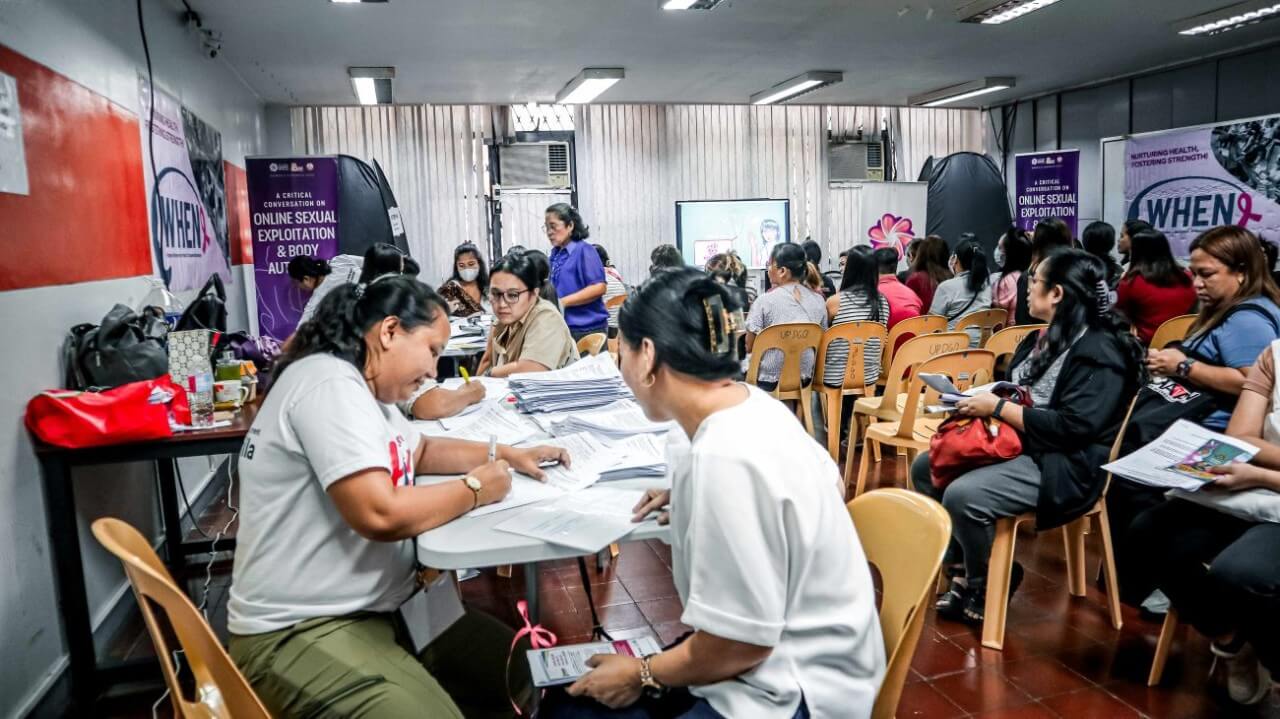
“By bringing screening closer to places of work, we remove barriers that often prevent women from seeking care,” said Dr. Susana Amiscua.
“This effort reflects our commitment to women workers, who often prioritize their jobs and families over their own health,” said Dr. Julie Caguiat.
Bottom line
Expanding access to screening strengthens both public health and the economy by keeping women healthy, productive, and empowered. —Princess Daisy C. Ominga | Ed: Corrie S. Narisma