Insider Spotlight
Why it matters
Magnetic resonance imaging is a critical tool for detecting brain disorders, ENT conditions, musculoskeletal and spinal injuries, cancers and other hard-to-diagnose diseases at early stages.
Yet access remains limited nationwide, with fewer than 200 MRI systems operating across the country. For many patients — especially in remote areas — scans can be costly or unavailable.
The challenge
Traditional closed MRI machines can also be difficult for patients to tolerate. Radiologists estimate that about 20 percent of patients are unable to complete their scans due to anxiety, claustrophobia or discomfort from lying inside a narrow, noisy tube for extended periods.
What’s different
Time Medical’s PICA model features an open architecture designed to improve comfort for claustrophobic, elderly, pediatric and overweight patients, as well as those with limited mobility.
The system is positioned to deliver image quality approaching that of 1.5T MRI machines while being easier to maintain and less costly to operate.
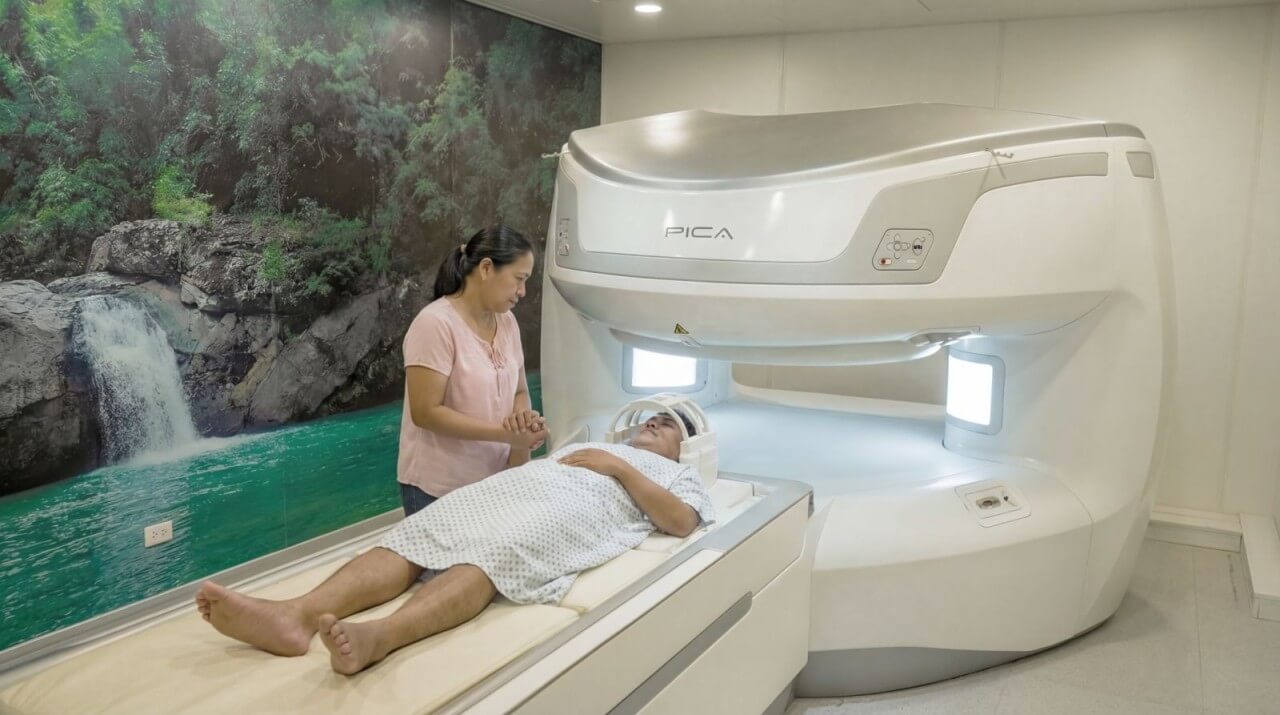
According to details shared in a company release, the Philippine installation is the country’s first open MRI that does not require helium cooling. Removing helium reduces operational complexity and environmental impact, while potentially lowering long-term costs for hospitals.
The tech layer
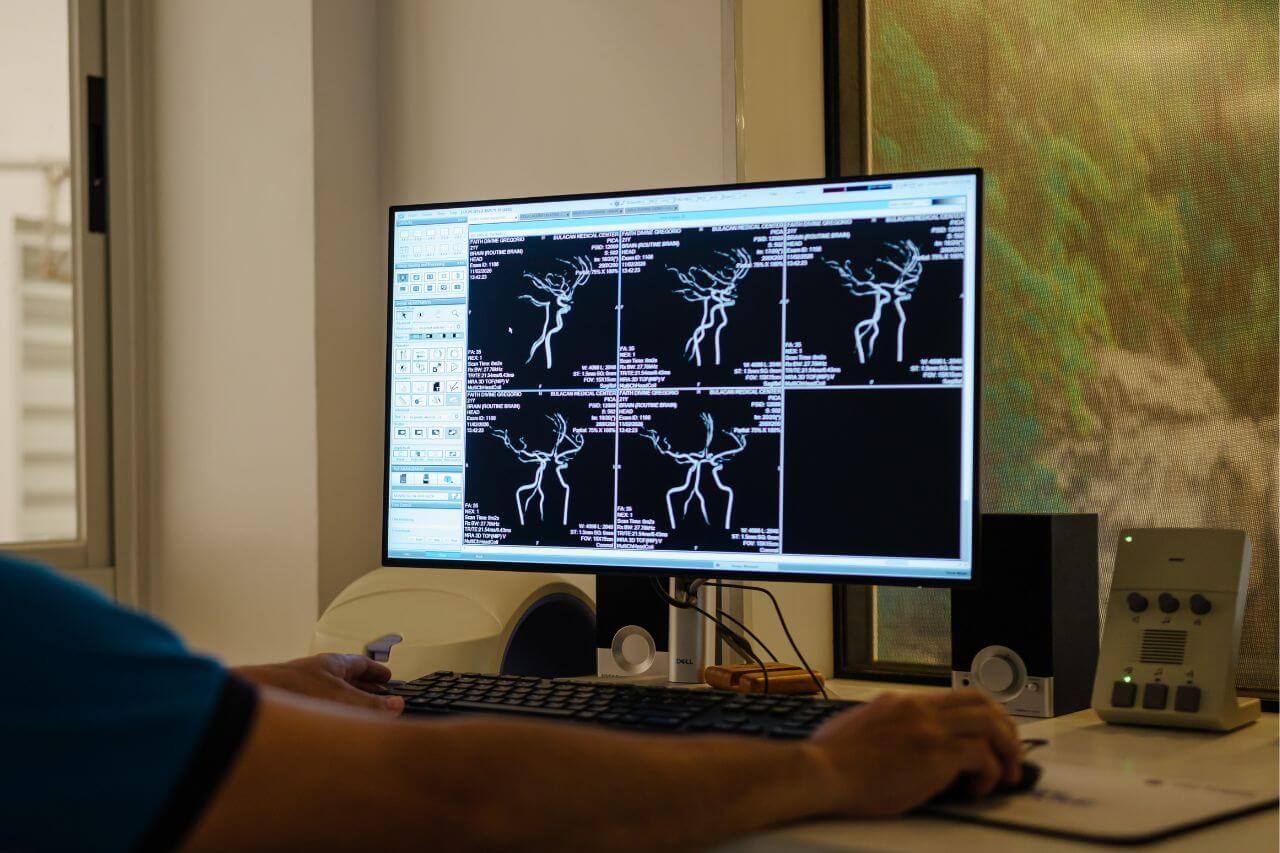
Beyond hardware, the PICA MRI integrates digital tools aimed at addressing healthcare system gaps. It includes a secure, HIPAA-compliant teleradiology platform and Open PACS software developed by DigiHealth Specialists.
This allows high-resolution scans to be transmitted and interpreted remotely, helping facilities manage radiologist shortages and shorten turnaround times.
For provincial hospitals and expanding health systems, such interoperability could widen diagnostic access without requiring immediate in-house specialist expansion.
The global angle
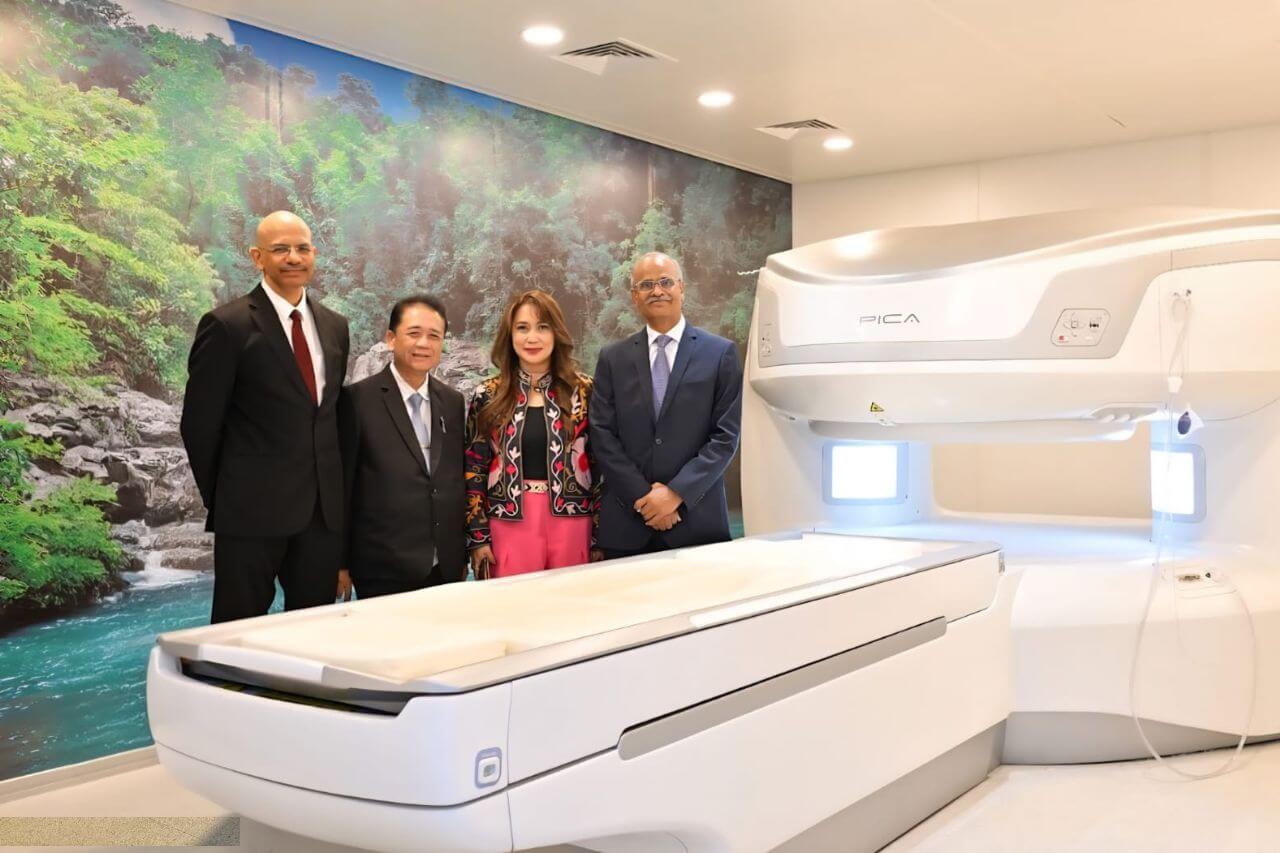
Time Medical combines US-engineered technology with certifications from the US FDA and CE, alongside Philippine FDA clearance.
The unit installed locally was produced at the Andhra Pradesh MedTech Zone in India, making the Philippines the first recipient of an exported Make-in-India MRI from the facility.
Time Medical is a subsidiary of listed firm Fischer Medical Ventures.
“MRI systems are not one-size-fits-all. Many countries, including the Philippines, are not able to maximize their healthcare potential and find solutions because of its financial strain on both institutions and patients,” said Fischer Medical Ventures Group chair Ravi Govindan.
“Time Medical has products designed to help developing countries better cater to their medical imaging needs.”
“Patients have already gone through a lot of stress with their sickness. A little comfort while going through the procedures help. That’s what patient-centered care means”, said Time Medical Philippines CEO Joyce Socao. — Princess Daisy C. Ominga | Ed: Corrie S. Narisma