The reopening makes all three phases of the Quezon City park operational and expands the areas available for outdoor activities, environmental education and community engagement.
Phase 2 features pavilions, a lagoon, Neptune Pond and the scenic Flower Hill, along with fishing and group activities designed to encourage outdoor recreation and greater appreciation of nature.
Growing reach
The reopening follows nearly two years of rehabilitation and conservation initiatives at La Mesa Ecopark, one of the remaining major green spaces in Metro Manila.
Since reopening, the park has welcomed 276,202 visitors and planted 20,872 native forest trees, according to its management team.
It has also engaged 170 partners and 5,974 volunteers, who contributed a combined 41,140 volunteer hours to environmental conservation efforts.
The figures were presented during a recent meeting of the La Mesa Ecopark Executive Committee, which provides overall direction and guidance to Manila Water Foundation on the management, stewardship and future development of the park.
The committee is composed of designated representatives from the Quezon City government and Manila Water Co. and is chaired by the Metropolitan Waterworks and Sewerage System.
New entrance fee
The executive committee also approved a new P50 entrance fee for visitors who are not Quezon City residents. The proceeds are expected to help fund the park's operations, maintenance and continuing improvements.
Quezon City residents will continue to enjoy free admission upon presentation of a valid Quezon City ID.
The committee said it would continue supporting programs aligned with the environmental and sustainability goals of the city government and MWSS, with the park promoting what it calls "BiodiverCity," or biodiversity in an urban setting.
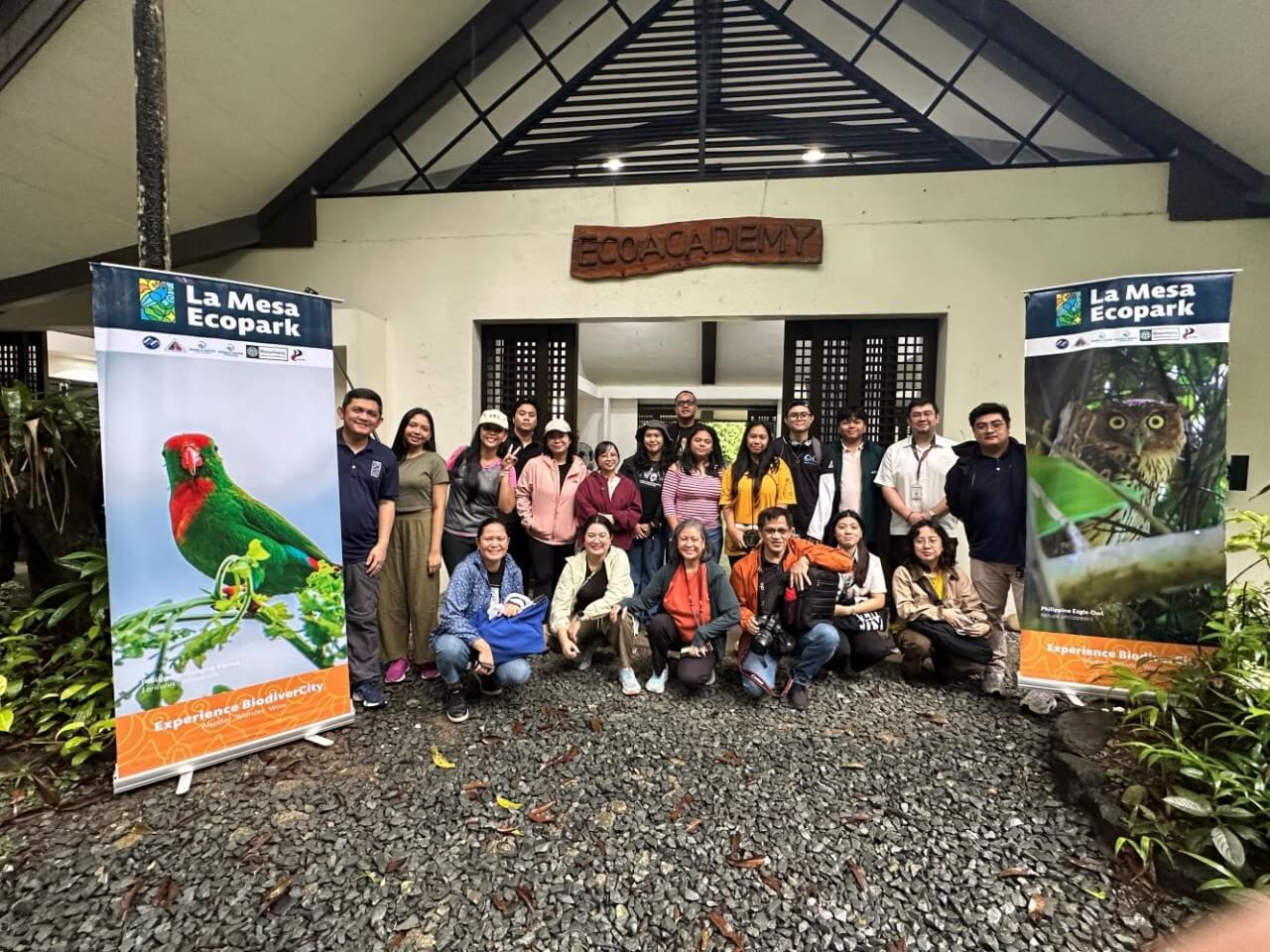
Ahead of the Phase 2 reopening, La Mesa Ecopark hosted environmental and tourism content creators for a preview of the new facilities and a session on the trees, birds and other wildlife found within the park.
Water connection
Beyond recreation, La Mesa Ecopark plays an environmental role because of its connection to the La Mesa Dam, an important component of the water supply system serving millions of homes and businesses in Metro Manila.
The park's management is positioning the expanded facilities as a venue where environmental conservation, recreation and public awareness of water security can come together.
With Phase 2 now accessible, the park expects to attract a broader range of visitors, from bird watchers and joggers to families, companies and environmental organizations.
La Mesa Ecopark said the expanded spaces are intended not only to provide opportunities for recreation but also to encourage visitors to become active participants in protecting the environment and promoting water security for future generations. | Ed: Corrie S. Narisma