However, despite strong representation in management roles and workforce participation, Filipinas continue to face barriers in leadership access, STEM fields, and entrenched caregiving expectations—underscoring the need for more inclusive and equitable systems.
At Unilever Philippines, these challenges are being addressed through deliberate policies and programs designed to advance equity in the workplace and beyond.
Workforce balance
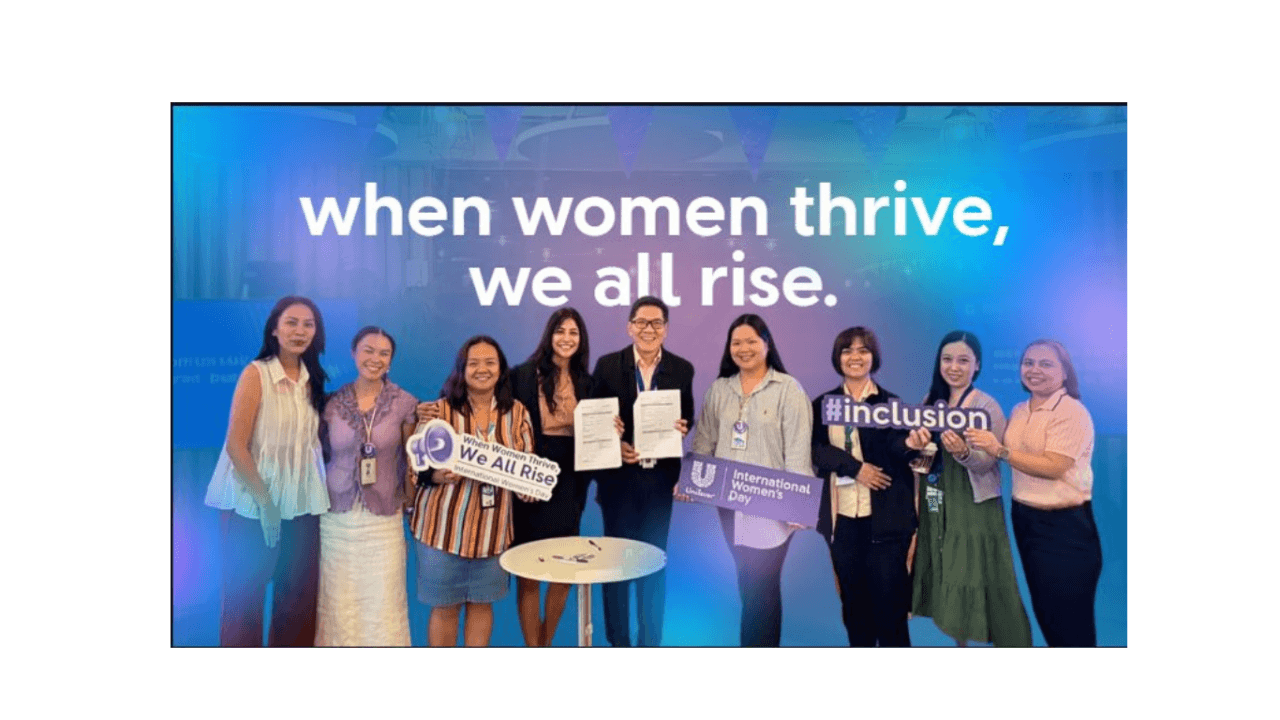
Women account for more than half of Unilever Philippines’ workforce, with around 660 female employees across leadership, supply chain, field sales, and other traditionally male-dominated roles.
The company says in a statement that this reflects a long-term commitment to inclusion as a business strategy tied to resilience and employee well-being.
“True inclusion happens when companies move beyond policies and actively create environments where women feel seen, supported, and empowered to lead,” said Geeta Royyuru, Unilever Philippines HR head and B&W SEA HR lead.
Policy support
Supporting this workforce is a set of benefits designed to address women’s needs at different life stages.
As early as 2017, Unilever Philippines expanded its maternity leave to 120 days of fully paid leave—above legal requirements. This has since been extended to 150 days, with additional flexibility options.
The company has also introduced practical workplace resources, including feminine hygiene products in restrooms, on-site daycare centers, and nursing facilities.
These measures aim to ease the balance between career and family responsibilities.
Unilever anchors these efforts in the Filipino value of malasakit, or genuine care, recognizing diverse family structures and promoting equitable access to healthcare and support systems.
Breaking Barriers
For employees like Zophia Nicolas, inclusion translates into opportunity. Now a sourcing unit manager, Nicolas began her journey as an intern before entering the Unilever Future Leaders Program, eventually taking on roles in planning, customer development, and factory operations.
Her progression into manufacturing leadership—an area traditionally dominated by men—reflects the company’s push to break barriers through mentorship and empowerment.
“Bring your best self, take your seat at the table, and know that there is space for you to lead,” Nicolas said. “Because when women lead, they make space for others to follow.”

Community impact
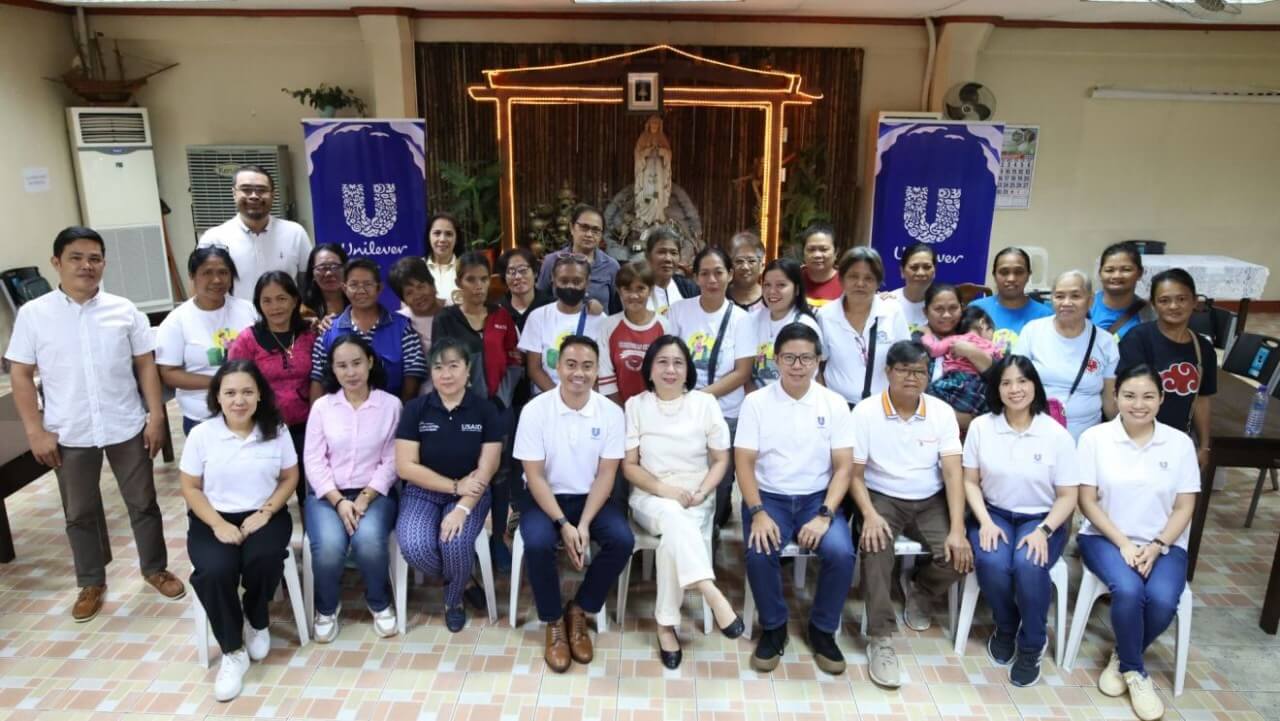
Beyond its workforce, Unilever Philippines extends its gender inclusion efforts into communities through environmental and livelihood programs.
One example is Misis Walastik, a flexible plastic waste collection initiative that provides women with additional income opportunities while addressing plastic pollution.
Participants like Karen King, a mother of three, balance caregiving with work as an eco-aide and small food business owner.
For King and others, the program has become both a source of livelihood and purpose, enabling women to contribute economically while managing household responsibilities.
Economic empowerment
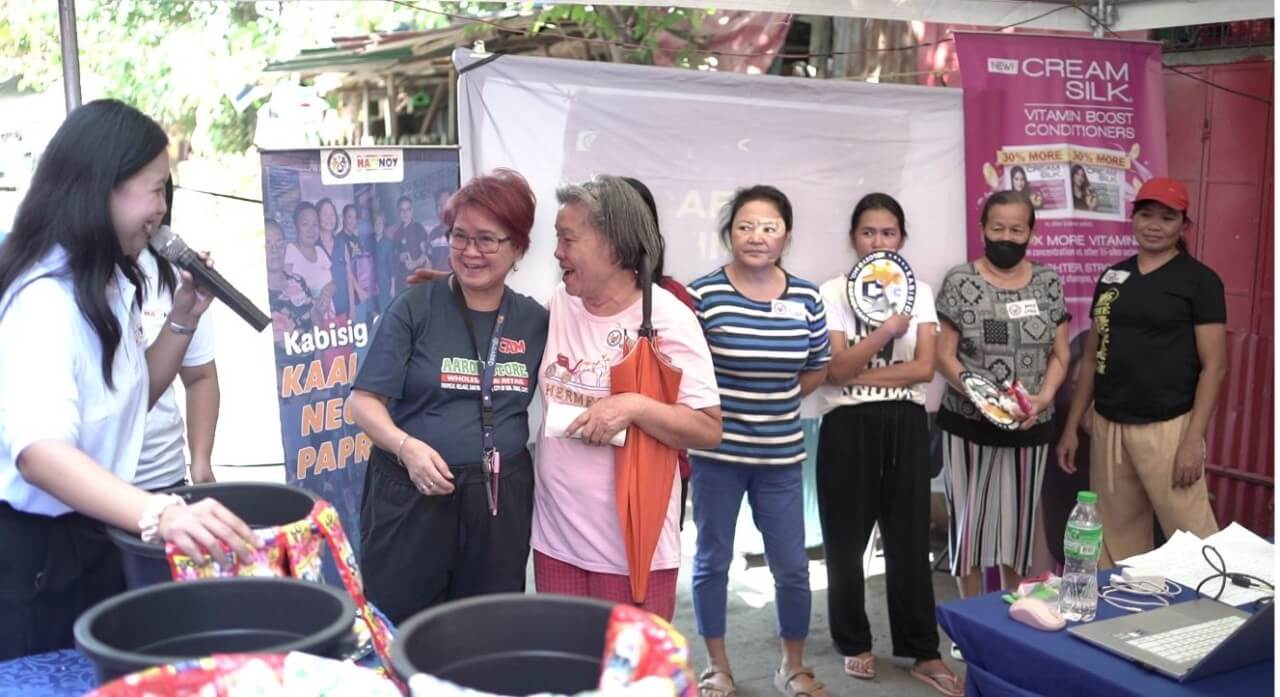
The company also supports women entrepreneurs through programs such as GentriAsenso and the Kabisig Summit, which provide training in financial literacy, digital tools, and business development.
For over a decade, the Kabisig Summit has focused on sari-sari store owners, with women comprising 89 percent of its partners.
To date, 30,502 women have been trained to strengthen their businesses and build financial resilience.
Inclusive future
As the Philippines maintains its global standing in gender equality, gaps in leadership access and workforce participation persist.
Companies like Unilever Philippines demonstrate how targeted policies, mentorship, and community engagement can help bridge these divides.
By investing in women across workplaces and communities, the company is contributing to a broader ecosystem where women are empowered not only to participate, but to lead. —Ed: Corrie S. Narisma