Insider Spotlight
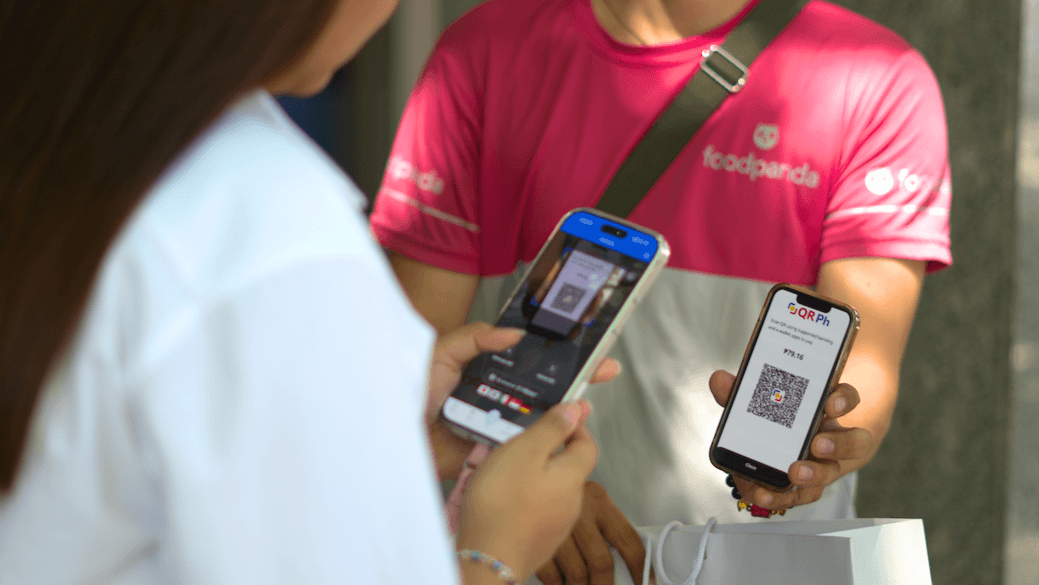
The feature enables users to complete payments by scanning a QR code presented by their ka-Panda rider during delivery. Customers can use QRPH-compliant apps such as GCash and Maya, offering a digital alternative to physical cash while maintaining the familiar pay-upon-receipt setup preferred by many Filipinos.
The move comes as QRPH adoption continues to expand across the Philippines, extending beyond retail stores into everyday service transactions.
Why it matters
The rollout reflects changing payment behaviors in the country, where digital wallets are becoming more common but many consumers still prefer to finalize transactions only after receiving their orders.
By combining cash-on-delivery habits with digital payment technology, foodpanda aims to make digital transactions more practical for everyday use.
“QR-on-Delivery allows us to bring digital payments closer to everyday transactions, particularly in moments where customers still prefer to pay upon receipt,” said Lhecks De Castro, director of finance of foodpanda Philippines.
“By integrating QRPH into the delivery experience, we’re supporting the broader push toward a more cash-lite economy, making digital payments more practical and accessible in everyday use,” he added.
The feature also improves operational efficiency for riders by minimizing the need to carry cash or prepare exact change, helping streamline deliveries.

The bigger picture
The initiative aligns with the Bangko Sentral ng Pilipinas’ goal of shifting at least 50 percent of retail payments into digital channels as part of its broader cash-lite economy strategy.
QRPH, the country’s national QR code standard, was designed to allow interoperability among banks and e-wallet providers, making digital payments more seamless for consumers and merchants alike.
As digital platforms continue shaping payment behavior, integrating digital options into familiar routines is increasingly seen as key to long-term adoption. Food delivery, with its high-frequency transactions, presents a strong use case for accelerating that transition. —Ramon C. Nocon | Ed: Corrie S. Narisma