
The growing impact of geopolitical instability on fuel and electricity prices is prompting companies to rethink energy management — shifting their mindset from viewing it as a cost center to treating it as a long-term investment.
Harold Lim, country solutions head of Schneider Electric Philippines, said many organizations in the Philippines still rely on manual monitoring systems, limiting their ability to respond to inefficiencies in real time.
“So the mindset basically should have happened years back. This is not something for you to just spend on, this is something for you to benefit from,” he said in an interview with Insider PH.
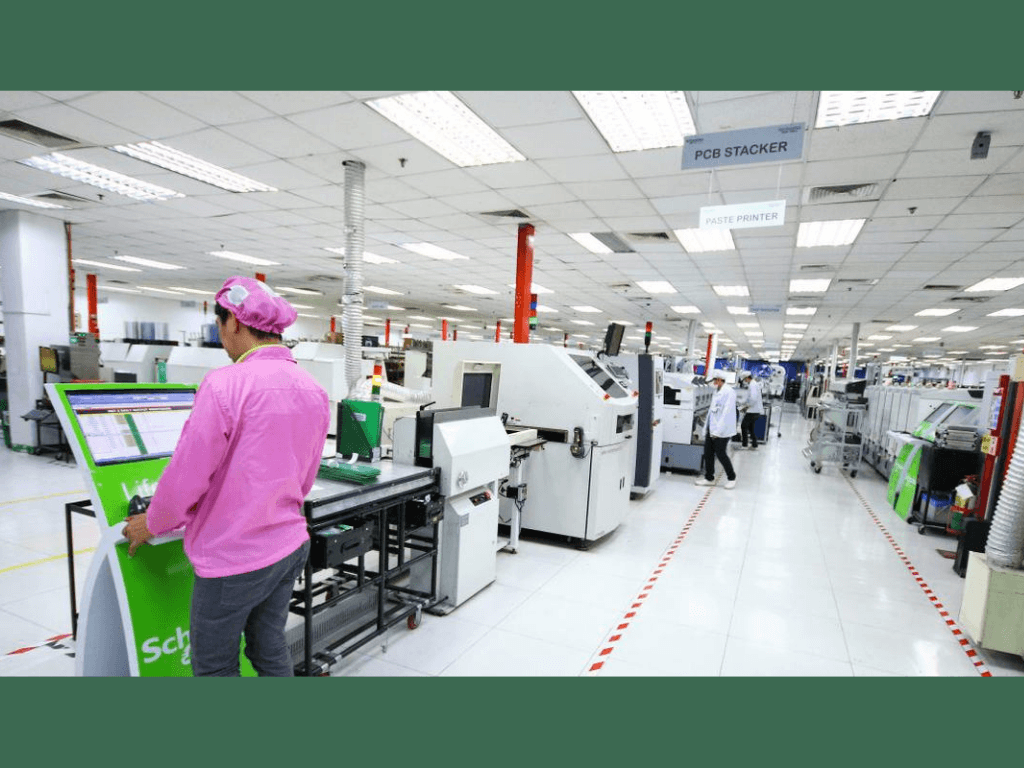
Real-time monitoring helps reduce inefficiencies
Lim explained that using digital energy management systems allows companies to monitor operations in real time.
Companies will have access to data that identifies unusual spikes in consumption and improve operational efficiency through automation and predictive maintenance.
“If you have that system in place, a smart system, you will be able to view what’s happening to your building. Why is the consumption high? Why is it high for this month? Why is it expensive?” he said.
He added that visibility is critical because businesses can lose a significant portion of energy due to inefficiencies.
“Without those tools, for example you’re given 100 megawatts for your facility, 20-30 percent of those can be wasted,” he said.

EcoStruxure expands digital energy solutions
Schneider Electric’s EcoStruxure platform is designed as an IoT-enabled architecture that integrates connected products, software, analytics, and services across buildings, industries, infrastructure and data centers.
It can help reduce engineering costs and time by up to 80 percent, maintenance costs by up to 75 percent and carbon footprint by up to 50 percent.
RCBC Plaza in Makati City is upgrading its building management system using EcoStruxure Building Operation.
The modernization project aims to centralize control of the building’s HVAC (heating, ventilation, air-conditioning), lighting and energy systems to improve monitoring and remote management capabilities.
Schneider Electric said the project also prepares the building for future AI and analytics integration.
Cavite smart factory posts efficiency gains
The company has also implemented the system in its own Cavite smart factory, which now operates on 100-percent renewable energy and serves as a key manufacturing hub in East Asia.
The facility has now achieved operational efficiencies after identifying cooling systems as a major source of energy consumption. “That yielded us around 20 to 30 percent efficiency in the whole operation of the plant,” Lim added.
Cost and skills gap remain key challenges
Yet Lim acknowledged that cost remains one of the biggest barriers preventing companies from adopting energy management technologies. There is also a need for digital skills and workforce training. “We need to do an upskilling as well,” he said.
To address concerns over upfront investments, Lim said companies need better education on long-term savings and operational benefits.
“The upfront cost is 5 percent more but the benefits that you’ll be reaping while operating the building will definitely be recovered immediately,” he said.
Looking ahead, Lim believes businesses will gradually become more receptive to automation and AI-driven energy systems. “The technology right now is there,” he said. “It’s just a matter of people adopting it.” —Ed: Corrie S. Narisma

Content Producer