Insider Spotlight
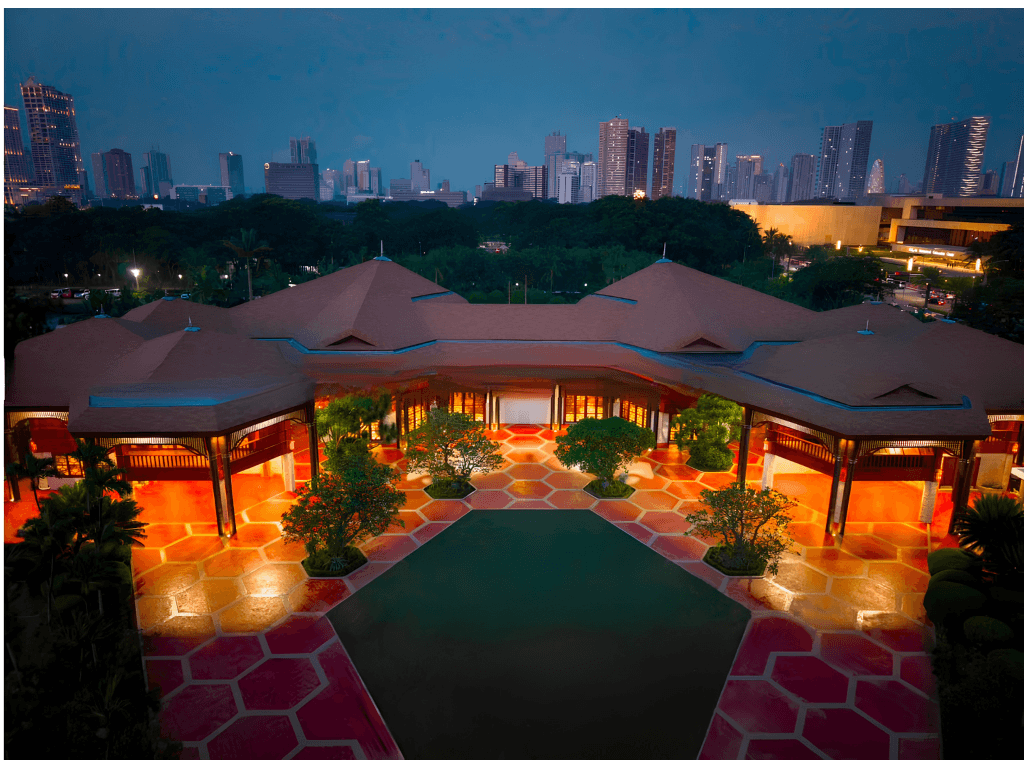
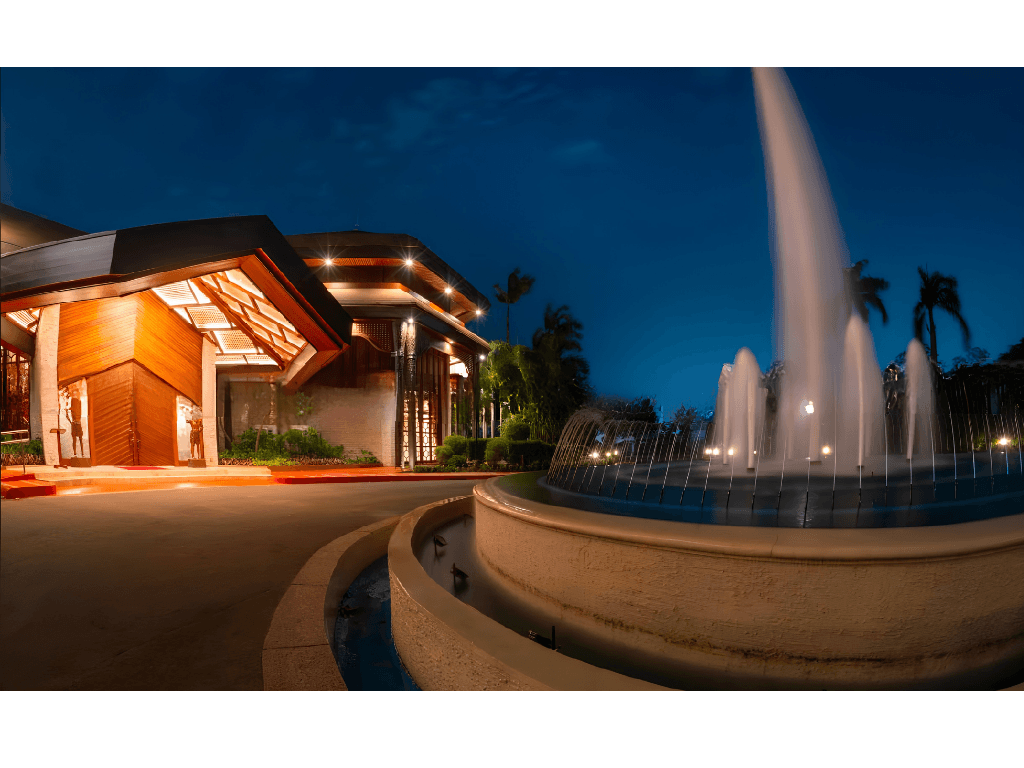
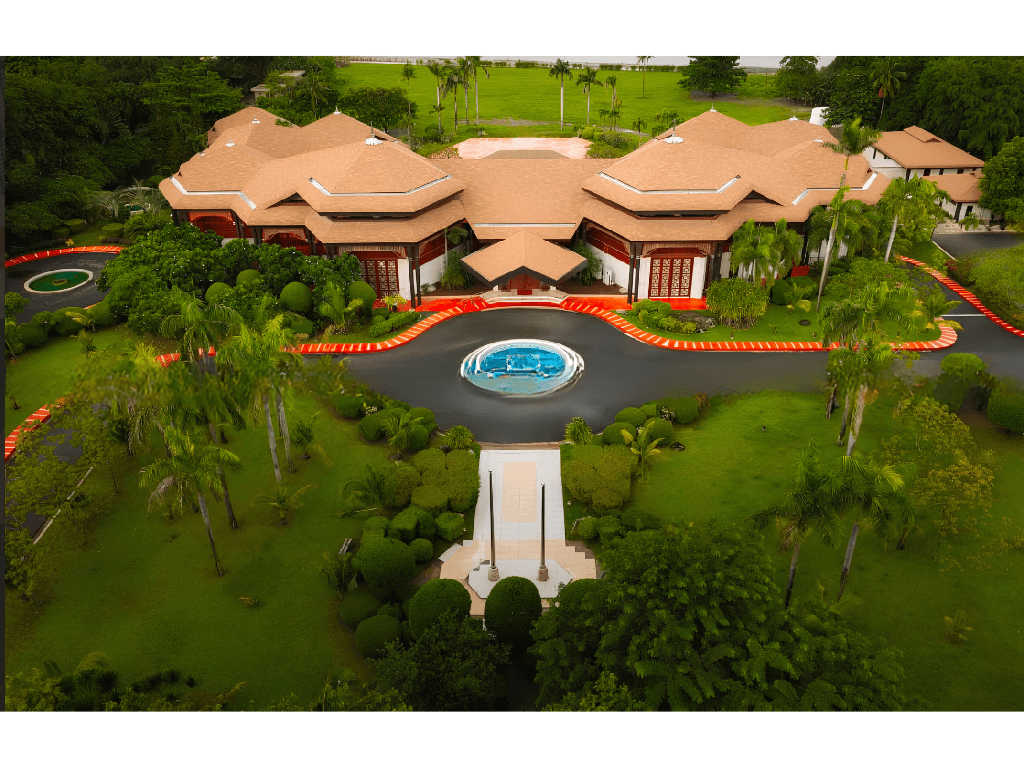
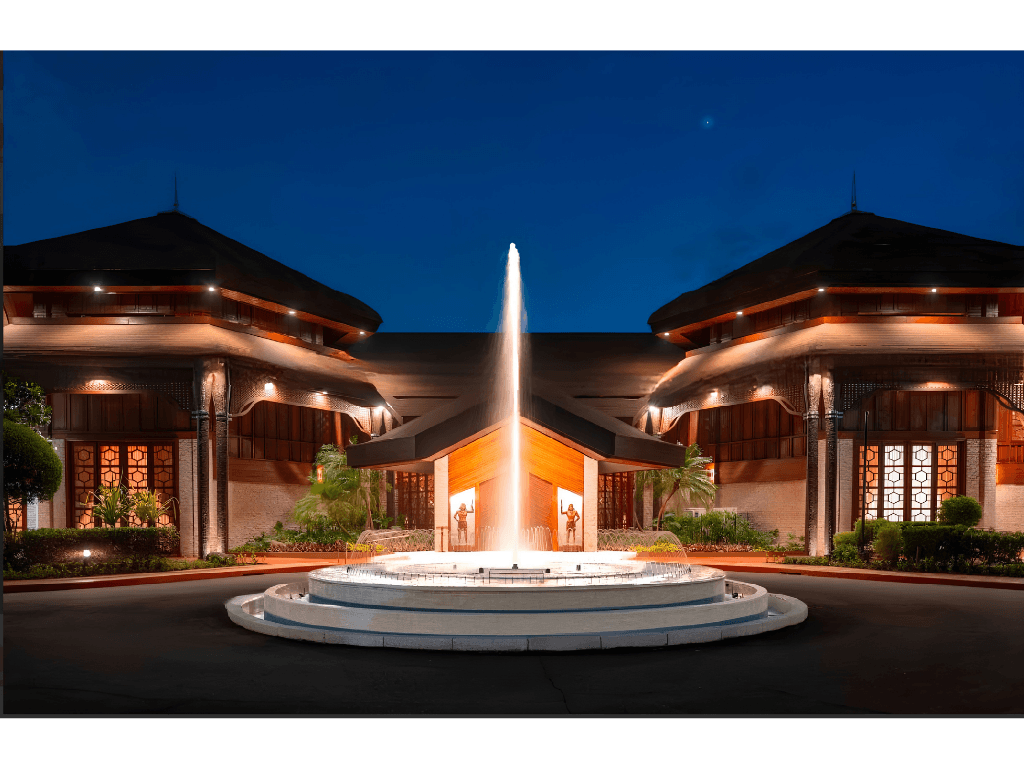
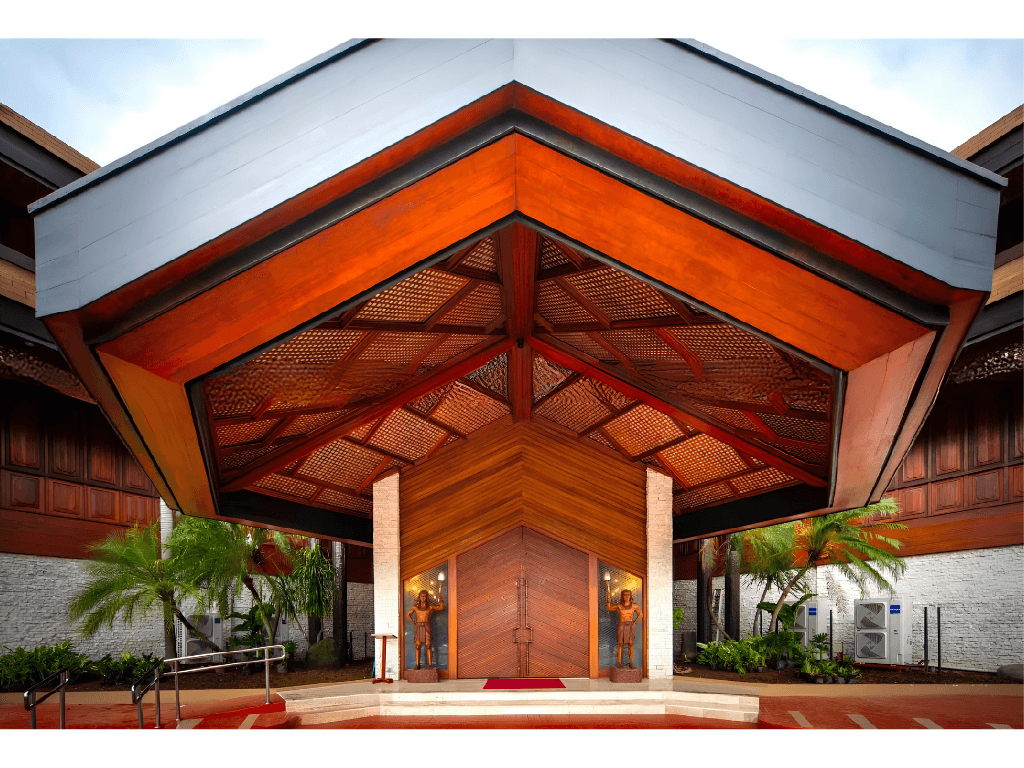
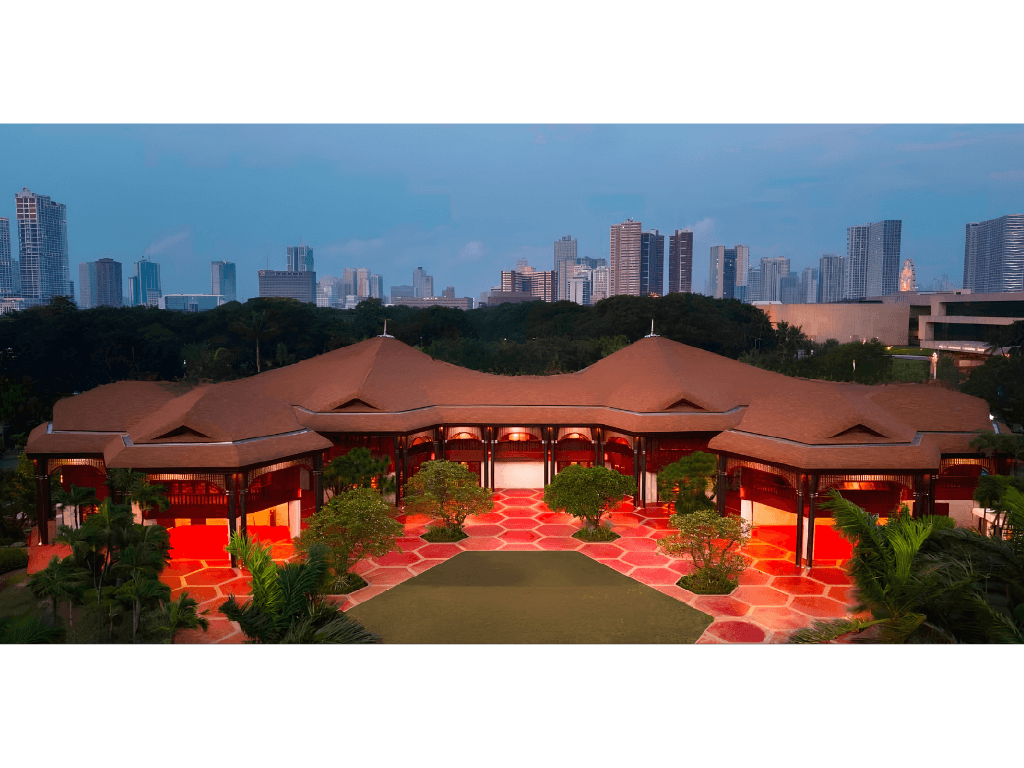
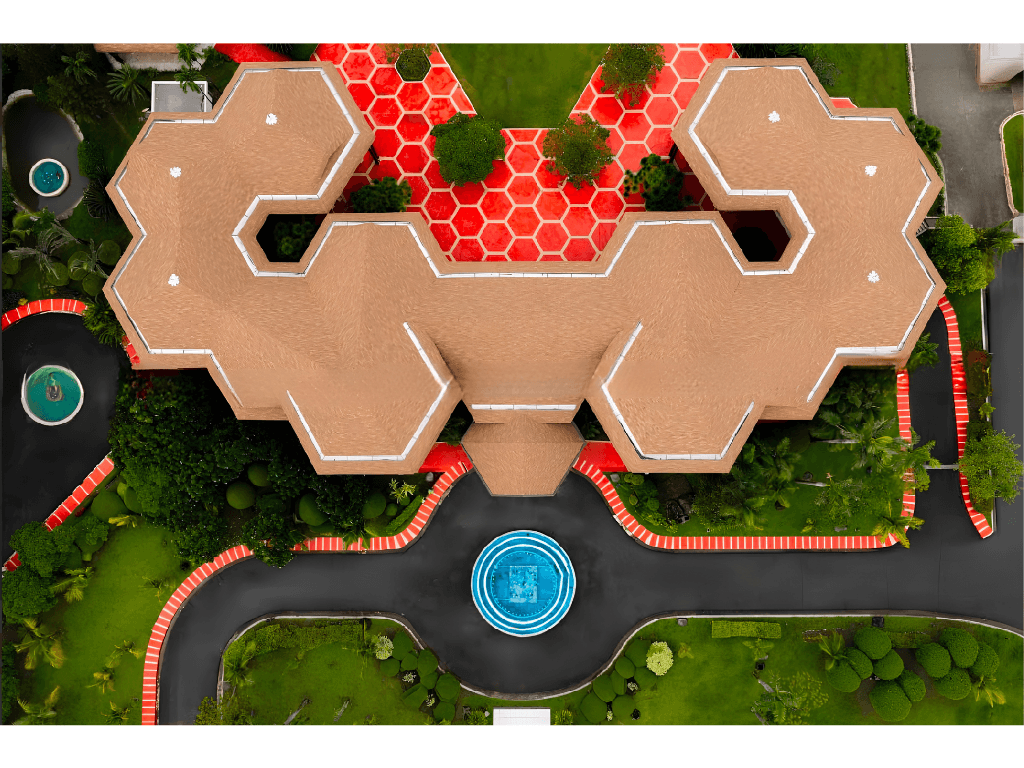
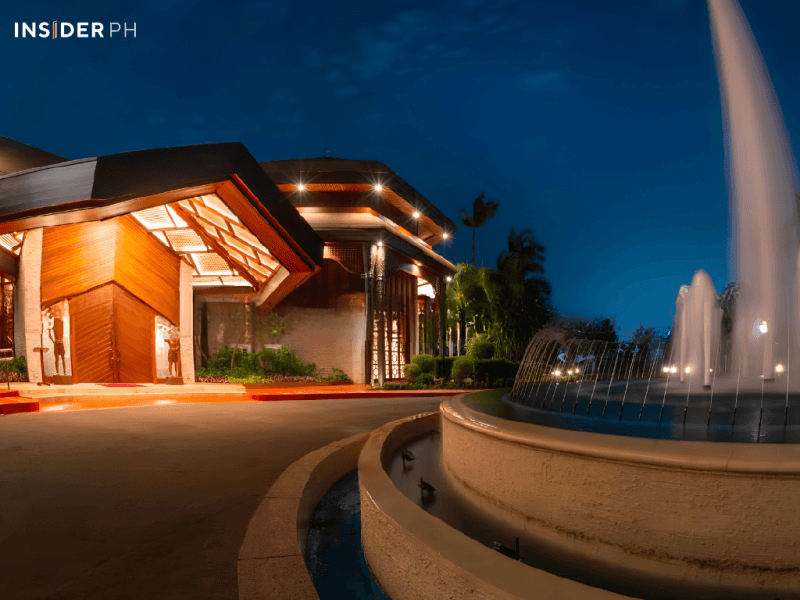
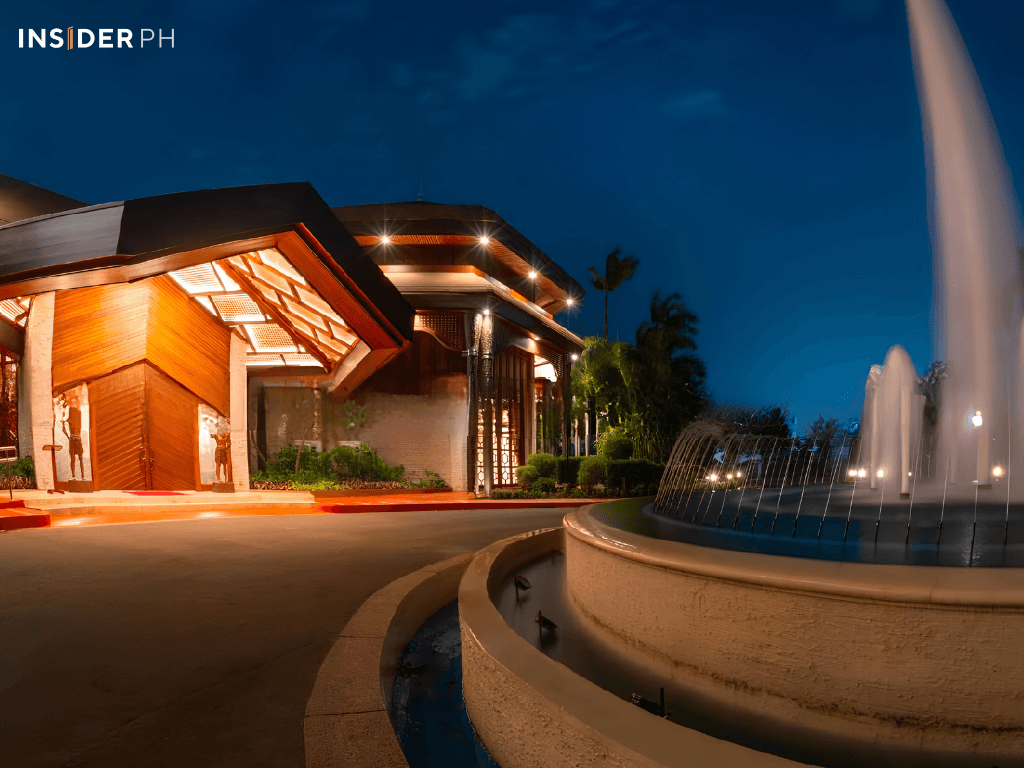
Located within the Cultural Center of the Philippines complex in Pasay City, the Coconut Palace resumed public visits on Aug. 25. Designed by National Artist for Architecture Francisco “Bobby” Mañosa, the landmark is recognized for its interpretation of traditional Filipino architecture and its extensive use of coconut-based and other indigenous materials.
The big picture
The GSIS said the reopening advances government efforts to preserve Philippine cultural heritage while expanding public access to historically significant sites. The agency also envisions the landmark as a venue for cultural programs, educational activities, tourism initiatives, official functions, and events that celebrate Filipino identity and craftsmanship.
“The reopening of the Coconut Palace is more than the restoration of a historic landmark. It is an invitation for Filipinos and visitors alike to reconnect with our heritage, celebrate Filipino creativity, and appreciate the architectural and cultural legacy that continues to inspire generations,” GSIS President and General Manager Jose Arnulfo “Wick” Veloso said.
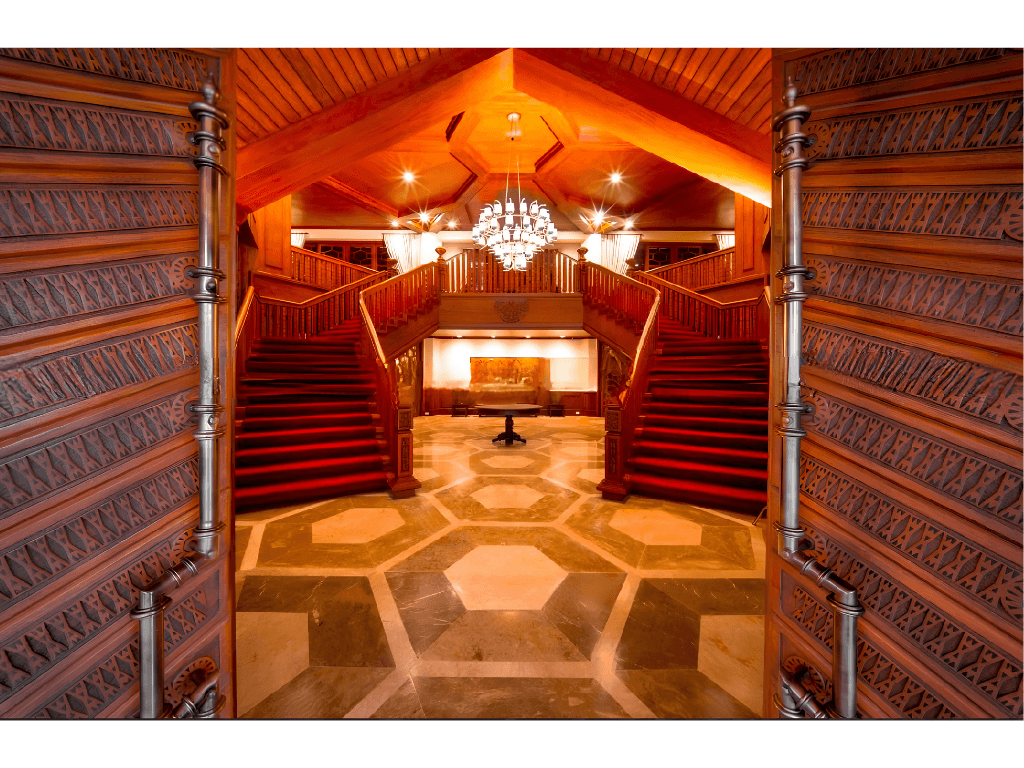
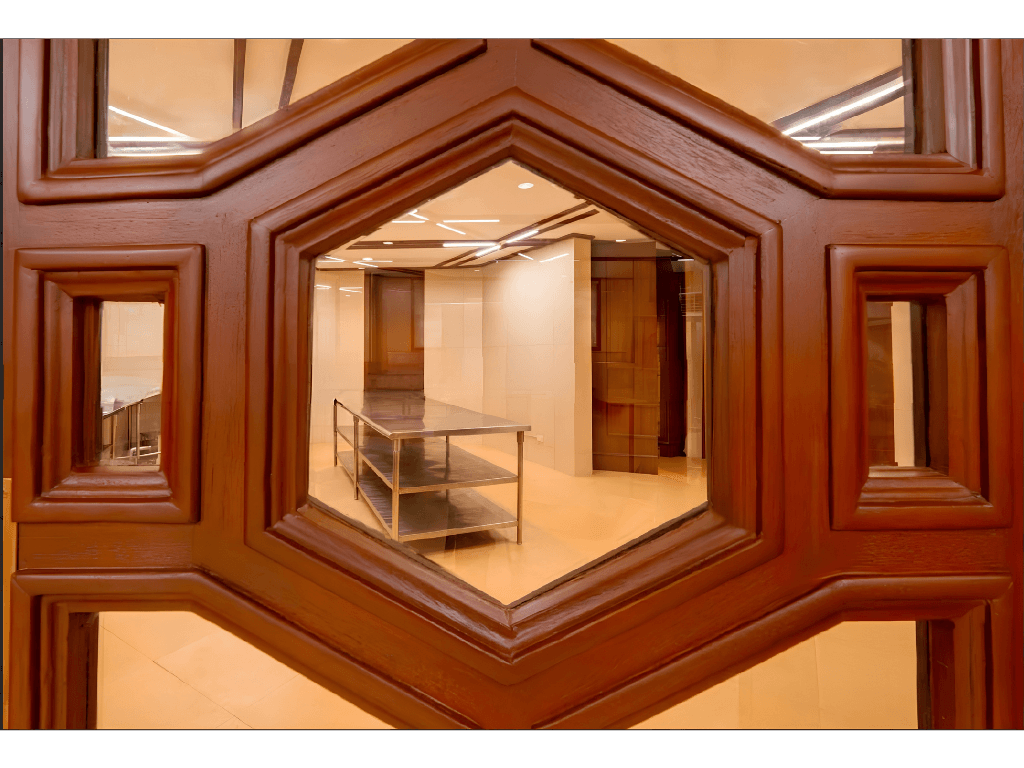
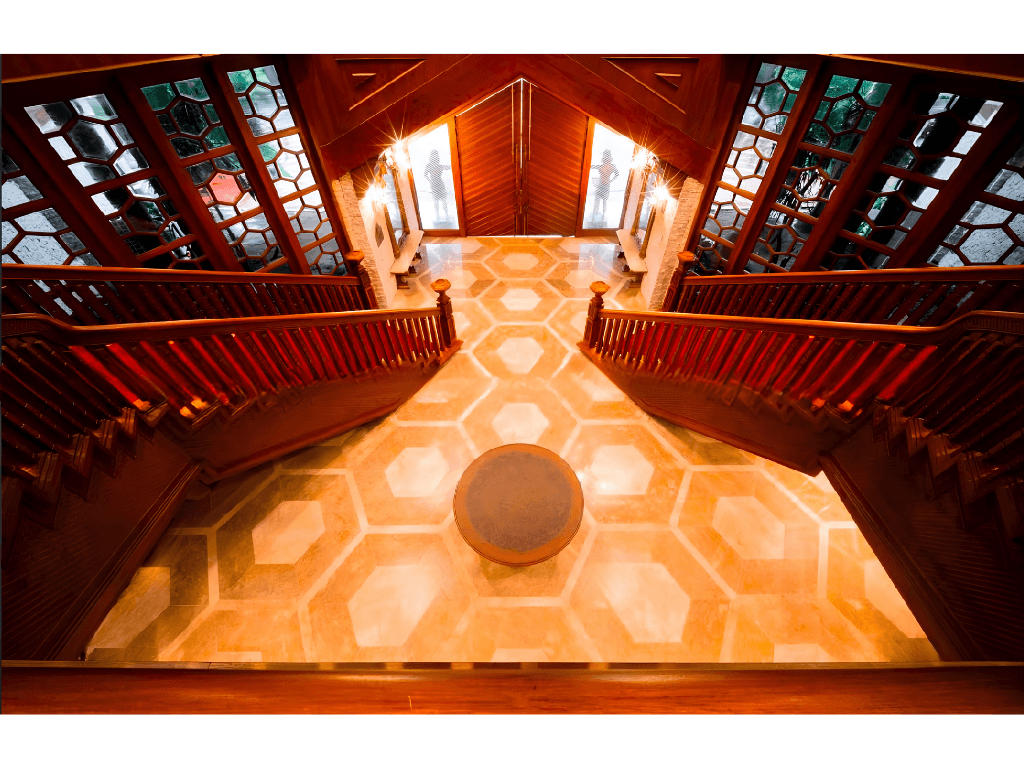
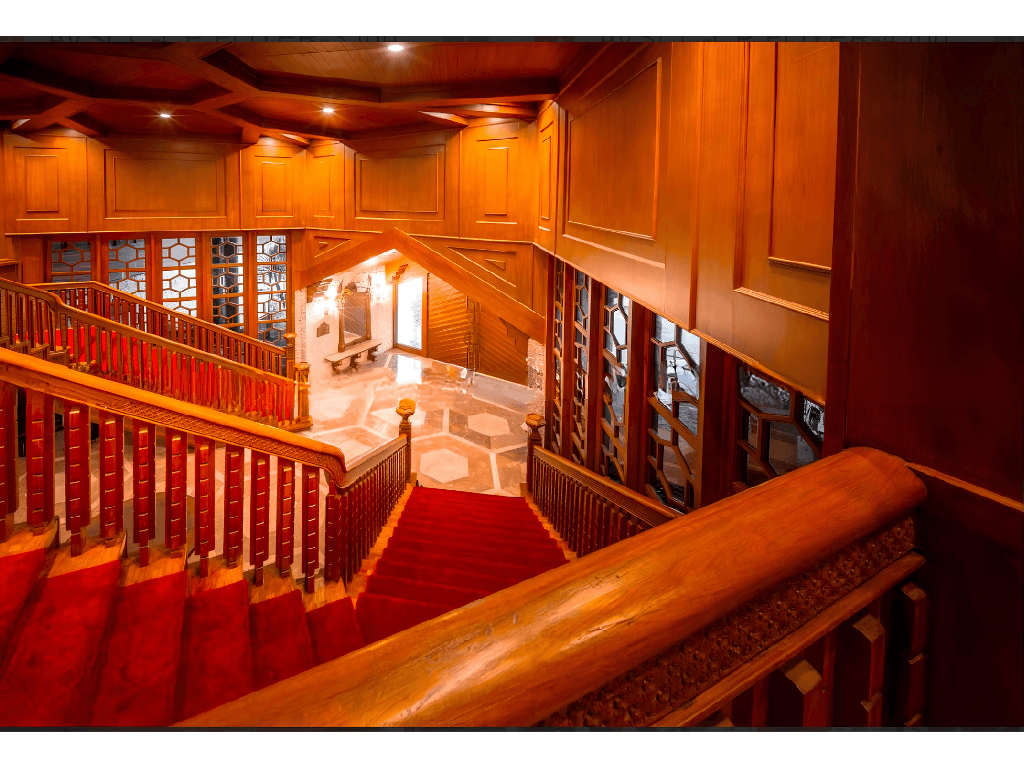
Visitors can once again explore the palace's handcrafted interiors, architectural details, and cultural features that reflect the diversity of Filipino traditions. GSIS said reopening the landmark supports broader efforts to strengthen appreciation of Philippine heritage while encouraging tourism and cultural engagement.
Why it matters
Known formally as Tahanang Pilipino, the Coconut Palace is one of the country's most recognizable examples of Filipino tropical architecture. Commissioned in 1978 by then First Lady Imelda Marcos as a government guest house, it was designed to showcase Filipino culture, local craftsmanship, and the versatility of coconut as a sustainable construction material.
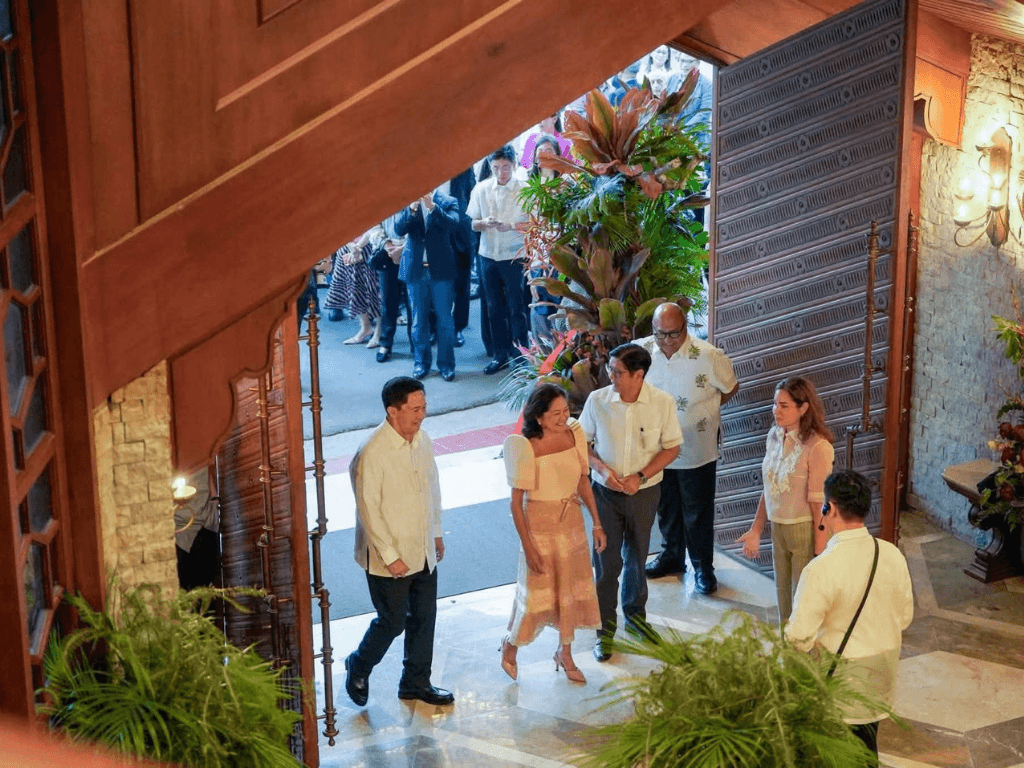
The structure incorporates coconut lumber, shells, roots, fibers, and other indigenous materials, highlighting locally sourced resources and traditional building techniques. It was originally intended to host distinguished foreign dignitaries, including Pope John Paul II during his 1981 visit to the Philippines.
“We look forward to welcoming the public back to the Coconut Palace and inspiring a new generation to discover, appreciate, and take pride in this enduring symbol of Filipino heritage,” Veloso said.
GSIS advised visitors to check its official website and communication channels for updated visiting schedules, programs, and other announcements. —Daxim L. Lucas| Ed: Corrie S. Narisma