Insider Spotlight
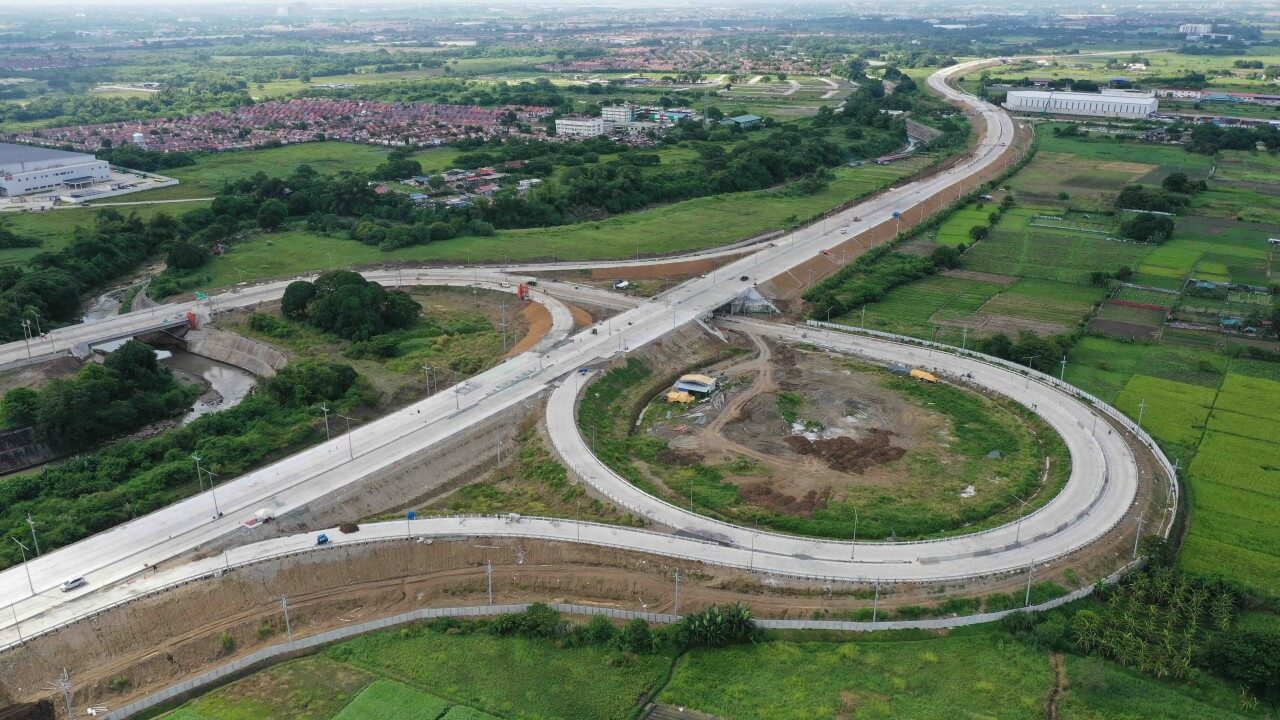
About 26.5 kilometers of the 45-kilometer expressway are operating, with the remaining 18.5 kilometers under construction.
The completed route will connect the South Luzon Expressway corridor with the Manila-Cavite Expressway.
CALAX will fill a key gap in Metro Pacific’s southern toll-road network while improving access to the Cavite-Laguna industrial belt.

Known as CALAX, the toll road is being developed by MPCALA Holdings, a subsidiary of Metro Pacific Tollways Corp. (MPTC), part of tycoon Manuel V. Pangilinan-backed Metro Pacific Group.
Metro Pacific Tollways runs the North Luzon Expressway, Subic-Clark-Tarlac Expressway, NLEX Connector, Manila-Cavite Expressway and Cebu-Cordova Link Expressway, placing CALAX within a nationwide transport network.
The missing southern link
About 26.5 kilometers of CALAX are already operating between Mamplasan in Biñan and Governors Drive in General Trias.
MPCALA is completing the remaining 18.5 kilometers through Open Canal to Kawit, with work covering road pavement, bridges, drainage systems and interchange ramps.
The company disclosed no target opening date or overall completion rate for the unfinished sections.
Once completed, CALAX will connect the South Luzon Expressway side of Laguna with the Manila-Cavite Expressway, creating an east-west toll-road route across two of the country’s fastest-growing provinces.
Why the connection matters
The completed corridor would give motorists an alternative to congested local roads while improving access to residential, commercial and industrial centers south of Metro Manila.
For businesses, it would create a more direct route among factories, warehouses, ports, distribution hubs and major markets across the Cavite-Laguna manufacturing belt.
The project also fills a strategic gap in Metro Pacific’s southern network by linking the Manila-Cavite Expressway with the South Luzon Expressway corridor.
CALAX’s unusual bidding history
Before CALAX became a Metro Pacific project, it passed through one of the Aquino administration’s most closely watched infrastructure auctions.
The Ayala-Aboitiz-led Team Orion was initially declared the winner in 2014 after San Miguel was disqualified over a defective bid security.
San Miguel later revealed that its unopened financial offer was significantly higher than the winning bid, prompting the Aquino administration to scrap the result and hold another auction.
Ayala and Aboitiz sat out the second round, allowing Metro Pacific to secure the concession in 2015 with a superior bid against San Miguel.
—Edited by Miguel R. Camus