Insider Spotlight
Why it matters
Tourism and aviation are tightly linked, and disruptions in one quickly ripple across the other. With fuel prices climbing amid the Middle East crisis, airlines face cost pressures that could translate into higher ticket prices and softer passenger volumes.
The big picture
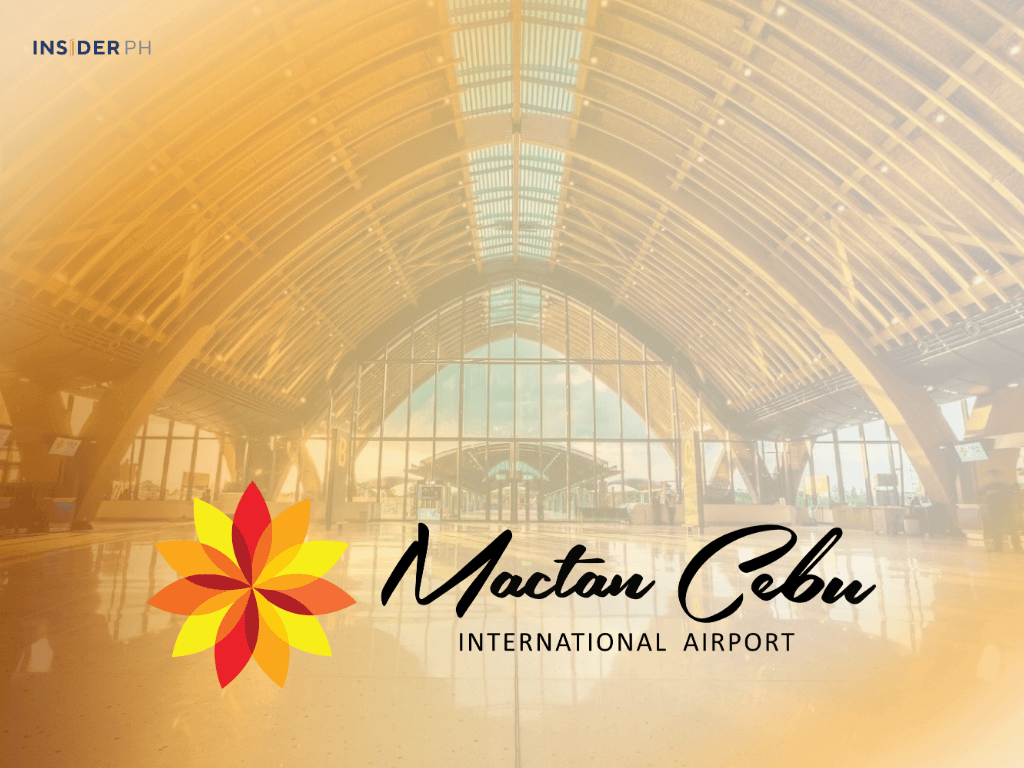
Aboitiz InfraCapital Cebu Airport Corporation, operator of MCIA, brought together major hospitality players including Shangri-La Mactan Cebu, Crimson Resort and Spa, and Nustar Resort and Casino to align strategies and prepare for potential demand shifts.

What they’re saying
“The aviation and tourism sectors are deeply intertwined. When global headwinds like surging jet fuel costs put pressure on our airline partners, our industry inevitably feels the impact,” Athanasios Titonis, CEO of Aboitiz InfraCapital Operating Airports, said in a press statement on April 21, 2026.
He added that closer alignment with hotel partners and scenario planning will be key to sustaining resilience.
By the numbers
MCIA posted a strong first quarter, but flagged that if current conditions persist, travel demand could face pressure starting early June.
Between the lines
The strategy goes beyond risk mitigation. MCIA is actively exploring new international routes and untapped markets to diversify inbound traffic and reduce reliance on traditional demand sources.
This reflects a broader pivot toward agility, ensuring Cebu remains competitive even as global travel patterns shift.
What’s next
The airport plans to replicate the dialogue framework across other Aboitiz-managed gateways, including Laguindingan International Airport and Bohol-Panglao International Airport.
Bottom line
MCIA is positioning itself not just as a transport hub, but as a central coordinator of regional tourism strategy, betting that collaboration and market diversification will help Cebu navigate uncertainty and stay on a growth path. —Vanessa Hidalgo | Ed: Corrie S. Narisma