The number matters because Vietnam is one of the region's fastest-growing outbound travel markets. Right now, Cebu is capturing that market's attention.
The pitch: One island, four trips in one
Here's why: Cebu doesn't make travelers choose between the beach, adventure, culture, or the city—it combines all four into a single itinerary.
Dive with sardine schools and sea turtles in Moalboal. Chase multi-tiered waterfalls in Badian. Swim alongside whale sharks in Oslob, then island-hop to Sumilon Island. Afterward, trade wetsuits for heritage walks, street food, and city life in Cebu City.
Unlike many regional destinations, where travelers often have to choose one type of experience, Cebu offers them all in one trip.
Cebu is also easy to reach. Direct flights connect Cebu with both Hanoi and Ho Chi Minh City—one less layover standing between Vietnamese travelers and the beach.
MCIA: More than a gateway
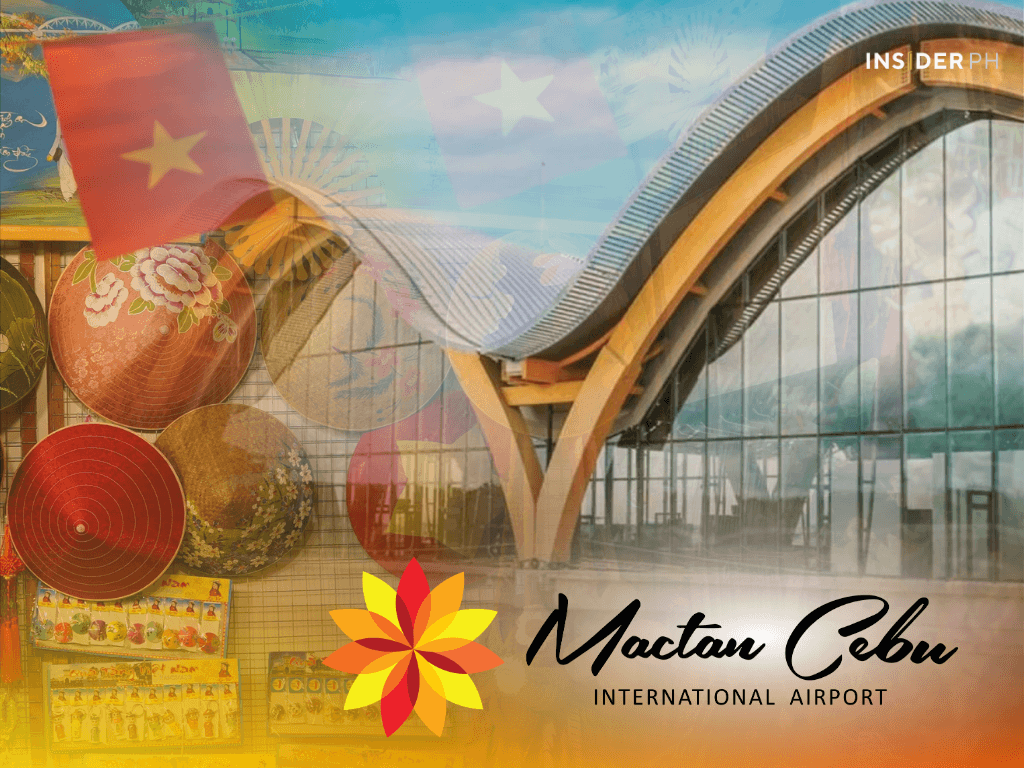
Arrivals are welcomed through Mactan-Cebu International Airport (MCIA) in Lapu-Lapu City, whose value extends beyond serving as the primary gateway to Central Philippines.
The airport's domestic network provides onward connections to island destinations such as Bohol, Siargao, Camiguin, and Palawan.
Through CEB Connect, passengers can enjoy streamlined transfers with minimum connection times of 45 minutes for domestic-to-domestic journeys and 60 minutes for international-to-domestic transfers.
As more Vietnamese travelers seek destinations that combine nature, adventure, culture, and convenience, Cebu continues to stand out as both a destination and a gateway to some of the Philippines' most sought-after experiences.
That helps explain why Agoda's data ranked Cebu as the Philippines' fastest-rising destination among Vietnamese travelers heading into the peak summer travel season. —Connie Fernandez-Brojan| Ed: Corrie S. Narisma