Globe believes internet access has evolved beyond a telecommunications service into what it calls the country's "fifth utility," supporting nearly every aspect of modern life—from education and healthcare to finance, commerce, government services, and emergency response.
Digital Shift
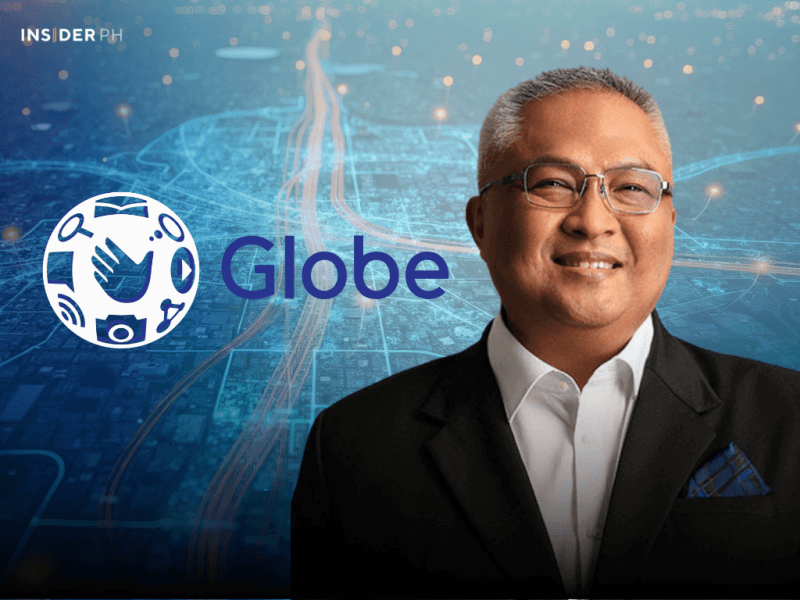
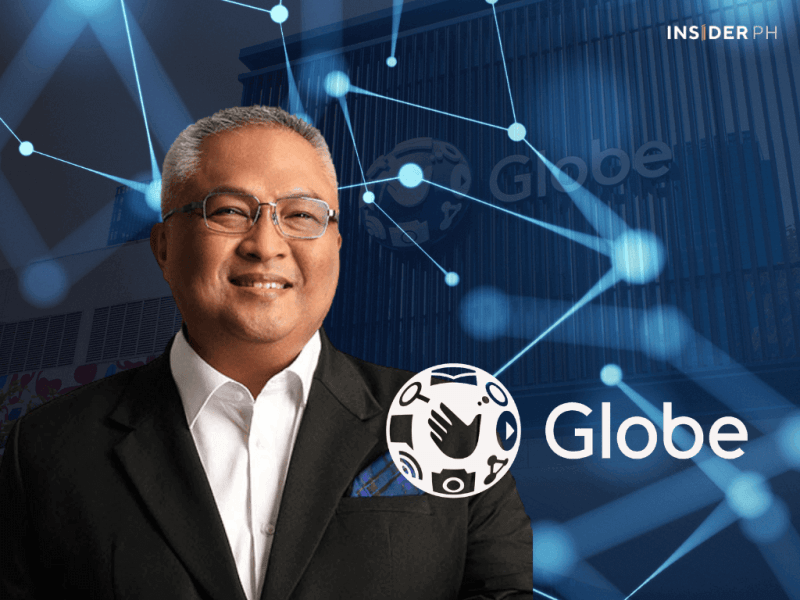
"Connectivity has become fundamental to how Filipinos live, work, learn, and build their future," Globe president and CEO Carl Cruz said.
"As connectivity becomes the fifth utility, our responsibility goes beyond expanding networks. We must ensure they are reliable, resilient, secure, and accessible because people increasingly depend on them every single day."
The shift is reflected in how Filipinos use mobile services. During the first quarter of 2026, data accounted for 89 percent of Globe's total mobile service revenues, up from 85 percent a year earlier, highlighting the growing preference for digital services over traditional voice calls and text messaging.
Globe's mobile subscriber base reached about 67 million during the period, with more than 39 million actively using mobile data.
Network expansion
Average monthly data consumption also climbed to around 16 gigabytes per subscriber, driven by video streaming, social media, online gaming, digital payments, and other internet-based services.
The GlobeOne app has likewise become a key touchpoint for customers, serving an average of 8 million monthly users.
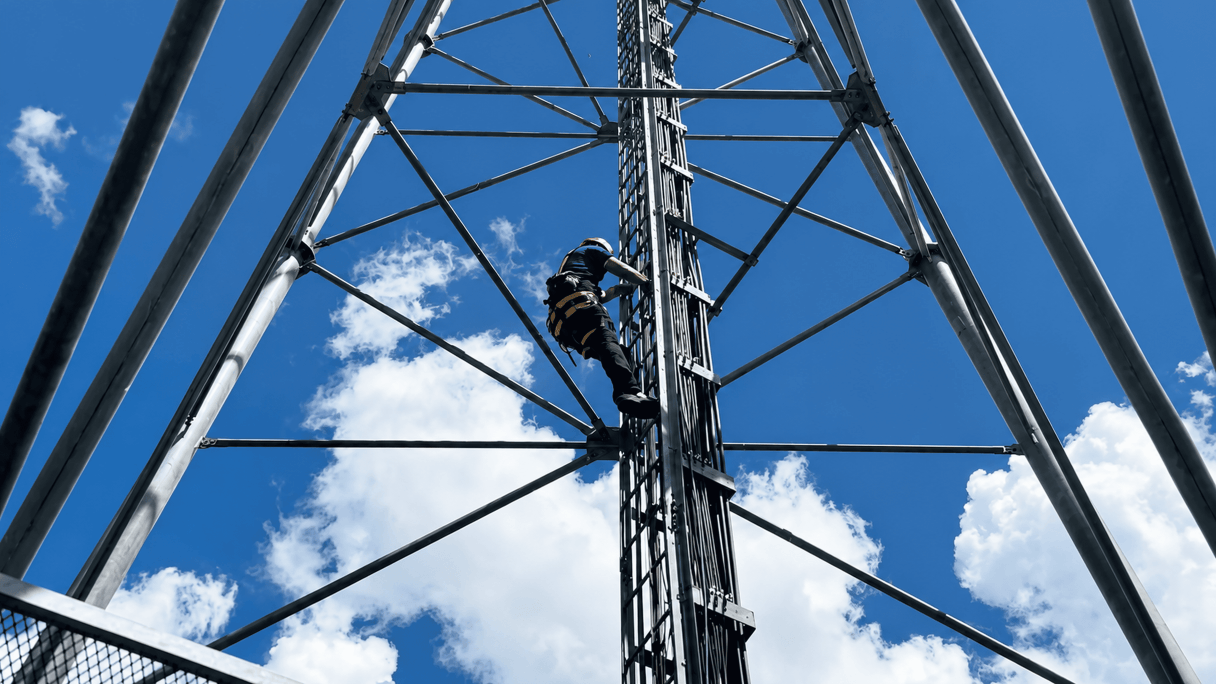
To keep pace with rising digital demand, Globe has continued investing heavily in network infrastructure.
In 2025, the company deployed more than 1,500 new 5G sites and over 115,000 fiber-to-the-home lines while expanding 4G population coverage to 96.41 percent.
About 90 percent of Globe's capital expenditures were directed toward data infrastructure, including 5G deployment, fiber expansion, and network modernization.
Multi-network ecosystem
The company is also strengthening what it describes as a multi-network ecosystem by combining mobile, fiber, subsea cable systems, satellite connectivity, wireless optical technologies, and data center capabilities.
Globe said the integrated approach aims to deliver reliable connectivity across urban centers, underserved communities, and geographically isolated and disadvantaged areas, while providing the resilient infrastructure needed to support emerging technologies such as artificial intelligence, cloud computing, and digital commerce.
Globe's strategy aligns with the government's National Digital Connectivity Plan, which identifies reliable, secure, affordable, and resilient connectivity as a key enabler of economic growth and improved public services.
National priority
The plan seeks to expand digital access, particularly in geographically isolated and disadvantaged areas, while strengthening cybersecurity, modernizing digital infrastructure, and improving support for education, healthcare, e-commerce, disaster preparedness, and digital government services.
As more everyday activities move online, Globe said connectivity should increasingly be viewed as essential national infrastructure rather than simply a telecommunications service.
The company said continued investments in future-ready networks are intended to ensure that Filipinos have dependable digital access comparable to other basic utilities, helping create broader opportunities for individuals, businesses, and communities while supporting the country's long-term digital transformation. —Ed: Corrie S. Narisma