The demonstration plant, which can treat up to 50,000 liters of wastewater daily, uses advanced membrane technology to remove pollutants from wastewater generated by kitchens, bathrooms, laundry facilities and other business operations.
Unlike conventional wastewater treatment facilities that may require several structures, the system is housed in a 40-foot container, making it a potential option for establishments with limited space.
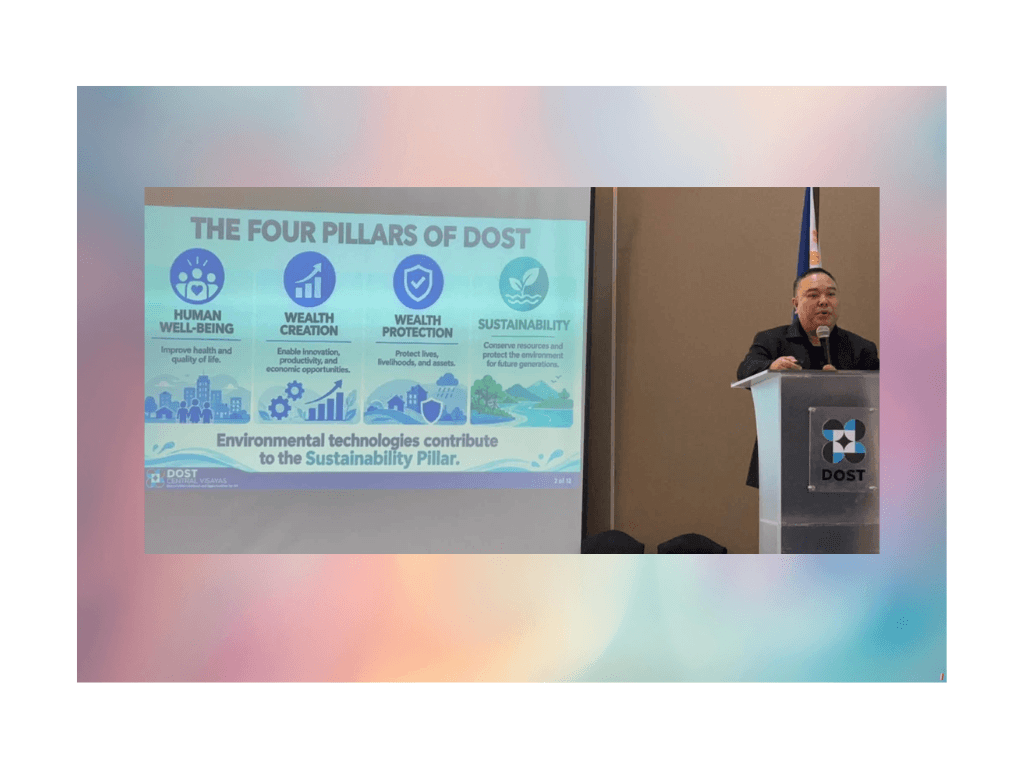
The Department of Science and Technology in Central Visayas (DOST-7) and its Korean and local partners presented the technology during a completion ceremony and technical seminar at the City Sports Club Cebu on Oct. 14.
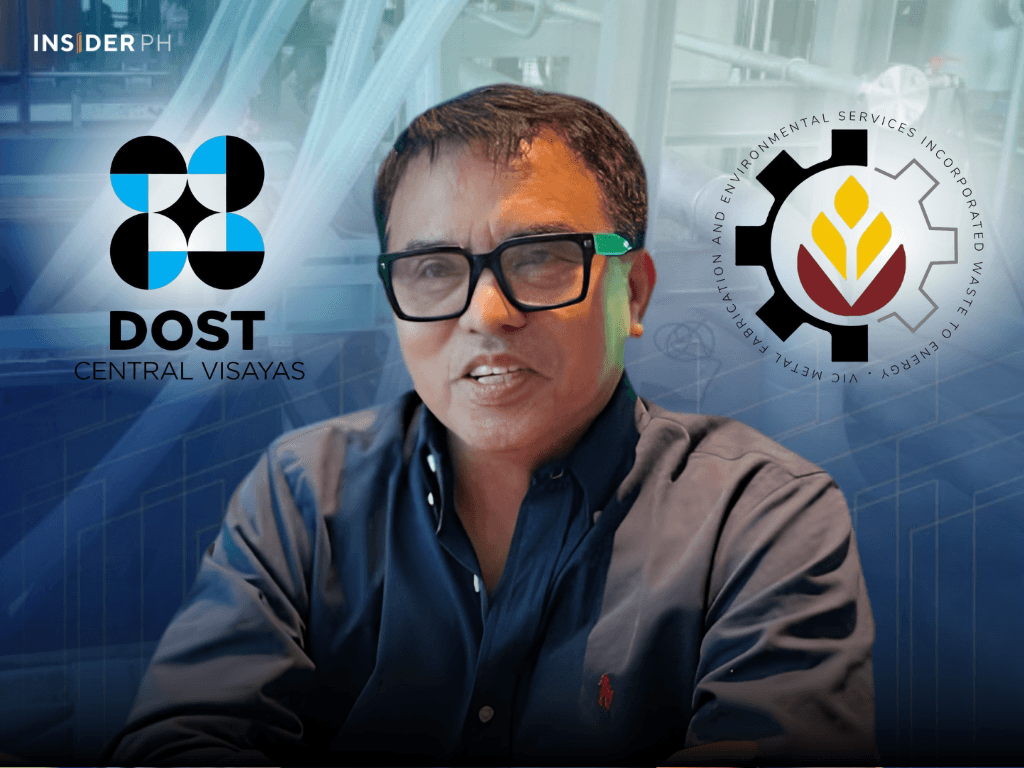
The project is being implemented in partnership with South Korea-based HifilM Inc., Vic Metal Fabrication and Environmental Services Inc., headed by engineer Victoriano Ocon, and the Korea Environmental Professional Engineers Association (KEPEA).
HifilM supplies the wastewater treatment technology and membrane system, while Vic Metal provides the demonstration site and supports local operations. KEPEA facilitates collaboration between the Korean and Philippine partners, while DOST provides technical support and assistance with certification-related requirements.
Investment options
Ocon, a recipient of the 2026 Presidential Filipinnovation Award for developing a locally designed waste treatment solution, said his company is preparing to market and deploy the technology locally.
The company plans to offer LGUs and private establishments the option to purchase the equipment or enter into an investment partnership.
Under one arrangement, Ocon's company would finance and operate the wastewater treatment facility, while the participating LGU would provide the land where the equipment would be installed.
Alternatively, LGUs and private establishments could purchase the system and either operate it themselves or engage the company to manage its operations.
Ocon said a wastewater treatment system could require an investment of around P35 million to P40 million, depending on its capacity and the client's specific requirements.
The technology is already operating at the demonstration site in Lapu-Lapu City, allowing prospective clients to see how the system works before deciding whether to adopt it.
"We are not selling the idea. We are selling the equipment. It's running already," said Ocon.
DOST-7 director Dr. Tristan L. Abando said several LGUs, resorts, restaurants and other establishments had already expressed interest in the technology.
He said the project partners were also exploring its possible application in sanitary landfills, where contaminated liquid waste known as leachate requires treatment before discharge.
Vic Metal will handle the local marketing, fabrication and deployment of the technology, with technical guidance from HifilM.
Abando said sourcing and fabricating some components locally could help reduce costs compared with importing the entire system from South Korea.
How it works
Developed by HifilM, the technology uses a process called membrane bioreactor (MBR), which combines biological treatment with membrane filtration to remove pollutants from wastewater.
Wastewater first passes through equipment that removes larger waste materials, including solid debris and grease.
It then undergoes biological treatment, during which microorganisms break down organic waste and certain pollutants. The system uses four treatment stages under different oxygen conditions to help remove contaminants.
The water subsequently passes through membranes with openings measuring approximately 0.1 micrometer, much smaller than the width of a human hair. These membranes trap tiny particles and microorganisms while allowing treated water to pass through.
A key feature of HifilM's technology is its moving membrane system, which moves back and forth to minimize the buildup of materials that can clog the filters.
According to the technology developer, this design reduces the need for air-based membrane cleaning and could lower electricity consumption.
For hotels and resorts, the compact system offers a potential alternative to conventional wastewater treatment facilities that require more space and extensive construction.
Promising results
Preliminary field measurements reported in August 2026 showed that the system could reduce pollutants in wastewater to levels within certain applicable Philippine environmental standards.
The treated water's chemical oxygen demand (COD), an indicator of organic pollution, was reported to be below the applicable regulatory limit.
Nitrate nitrogen levels were typically around 10 milligrams per liter, below the cited limit of 20 milligrams per liter, while total phosphorus levels were measured at or below 2 milligrams per liter.
Abando said the local demonstration was particularly important because wastewater conditions in Cebu differ from those in South Korea.
He noted that the Korean technology developers encountered higher levels of contaminants in local wastewater than those typically handled by their systems in South Korea.
This prompted adjustments to the technology to accommodate local conditions and meet the requirements of the Department of Environment and Natural Resources' Environmental Management Bureau (DENR-EMB).
Potential for reuse
Beyond treating wastewater for discharge, the project is also exploring the possibility of reusing treated water for irrigation and other non-potable purposes, subject to further testing and assessment.
This could particularly benefit hotels and resorts that require substantial amounts of water for landscaping and other maintenance activities, potentially reducing their dependence on freshwater supplies.
Abando emphasized that water produced by the current system is not intended for drinking.
However, he said the quality of treated water could be further improved by integrating additional treatment technologies, potentially expanding its applications in the future.
He also linked the project to DOST's efforts to strengthen water security in Central Visayas, particularly as the region prepares for the potential effects of El Niño.
Instead of simply discharging treated wastewater into rivers and other bodies of water, Abando encouraged LGUs and businesses to consider technologies that would allow them to recycle and reuse water.
He said wastewater treatment and reuse could help communities manage limited water resources while reducing pollution. —Ed: Corrie S. Narisma
Contributor