Insider Spotlight
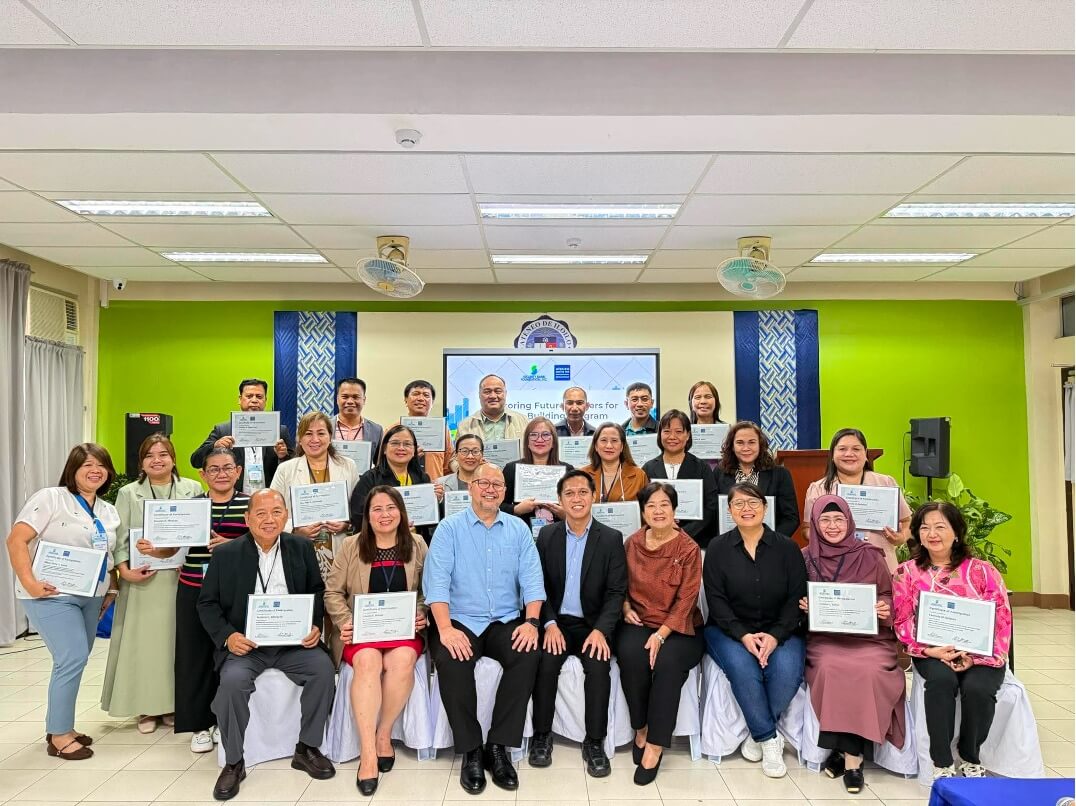
The initiative brought together 22 public school principals from across the Philippines for a five-day training program in Iloilo under the third year of Mentoring Future Leaders for Nation-Building.
Why it matters
The program recognizes that student success depends not only on classroom instruction but also on support from parents, local governments, businesses, volunteers, and other community stakeholders.
Participants underwent stakeholder mapping, case studies, workshops, and peer learning sessions designed to strengthen collaboration and establish sustainable support systems for learners.
SBFI trustee and corporate secretary Melissa Aquino emphasized the need to move beyond traditional fundraising and volunteer activities.
"The community is not just an ATM or a source of support. It is a partner. The child belongs not only to the school, but to all of us."
From training to action
School leaders developed Community Engagement Plans tailored to their institutions' needs, according to a company release.
National Educators Academy of the Philippines (NEAP) director IV Dr. Joseph Dela Cruz guided participants in identifying opportunities for collaboration and developing practical strategies to address school-level challenges.
Among the participants, Ricardo Viola Adriano Elementary School's Rona May Esperanzate Cruz plans to mobilize youth council officials, alumni, parents, religious groups, and private partners as reading volunteers and mentors through the KABSAT Learning Teams initiative.
Meanwhile, Datu Andiam National High School's Dr. Hanena Epino aims to reduce student absenteeism by establishing a support network involving school personnel, peer mentors, barangay officials, and local government partners.
The bigger picture
The training underscores SBFI and ACED's efforts to expand the role of school principals from managing daily operations to building partnerships that address broader educational challenges.
Through sustained community engagement, the organizations aim to strengthen local support systems and encourage shared responsibility for children's learning, development, and long-term success. — Princess Daisy C. Ominga | Ed: Corrie S. Narisma