The compliance covers key effluent indicators required by the Department of Environment and Natural Resources and the Laguna Lake Development Authority, including biochemical oxygen demand, oil and grease, total suspended solids, surfactants, and fecal coliform, Manila Water explained in a press statement.
All 28 wastewater treatment facilities operated by Manila Water complied with these requirements, reinforcing the company’s focus on environmental protection and regulatory excellence.
New capacity added
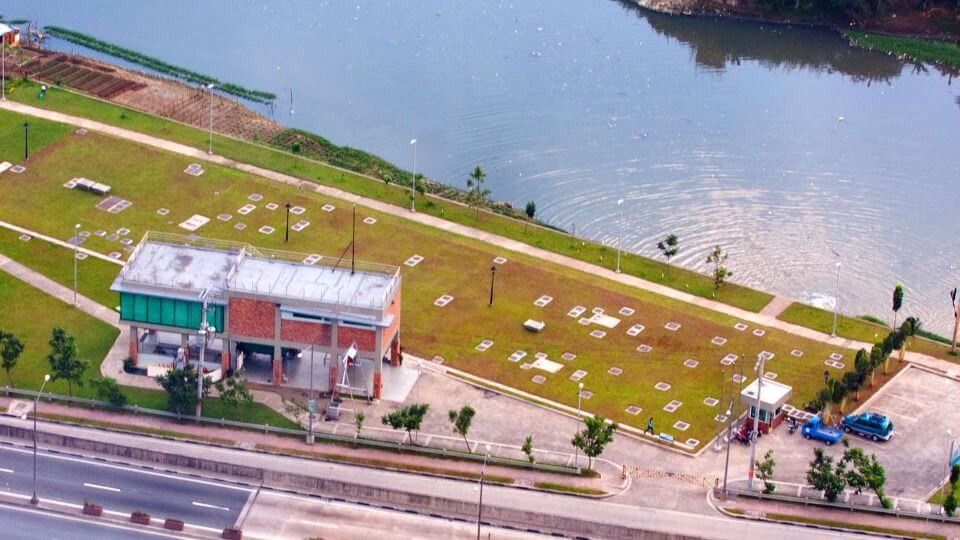
Supporting these efforts is the recently inaugurated Hinulugang Taktak Sewage Treatment Plant in Antipolo City, which can treat up to 16 million liters of wastewater daily.
The facility plays a role in the rehabilitation of the Hinulugang Taktak National Park and contributes to improved water quality in the Upper Marikina River Basin.
Sustainable services expansion
“Manila Water is expanding sustainable wastewater services across the East Zone by adding treatment capacity, extending networks and maintaining strict compliance with effluent standards to protect waterways and advance climate resilience,” said Jeric Sevilla, director of Manila Water’s Corporate Communication Affairs Group, said in the press statement.
Class C compliance
All treated effluent discharged by Manila Water’s sewage treatment plants meets standards for Class C receiving waters, which support fish propagation, recreational activities such as boating and fishing, and agricultural uses including irrigation.
Network investments ongoing
As of October 2025, Manila Water reported 361,177 sewer connections across its network and said it continues to invest in sanitation projects aimed at reducing pollution and ensuring cleaner waterways for future generations. —Ed: Corrie S. Narisma