The Heart and Vascular Institute at Chong Hua Hospital (CHH) in Mandaue City brings advanced, integrated cardiac care within reach — offering comprehensive diagnostics, life-saving interventions, and rehabilitation in one coordinated system.
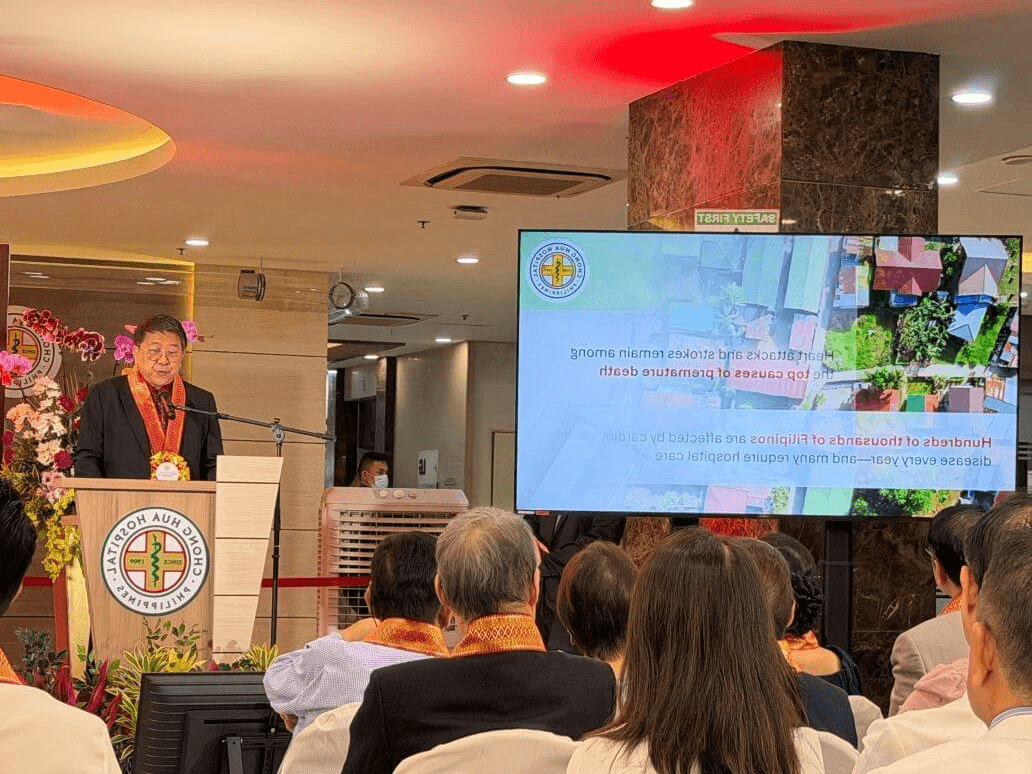
“We deliberately designed this institute as one continuous patient journey that has separate departments. From early diagnostics to life saving intervention to critical care recovery and through rehabilitation and long term prevention, all within one coordinated system led by a single multi-disciplinary part team,” said Dr. Francisco Chio Jr., director of CHH Heart and Vascular Institute, in a speech during the launching on Feb. 14, 2026.
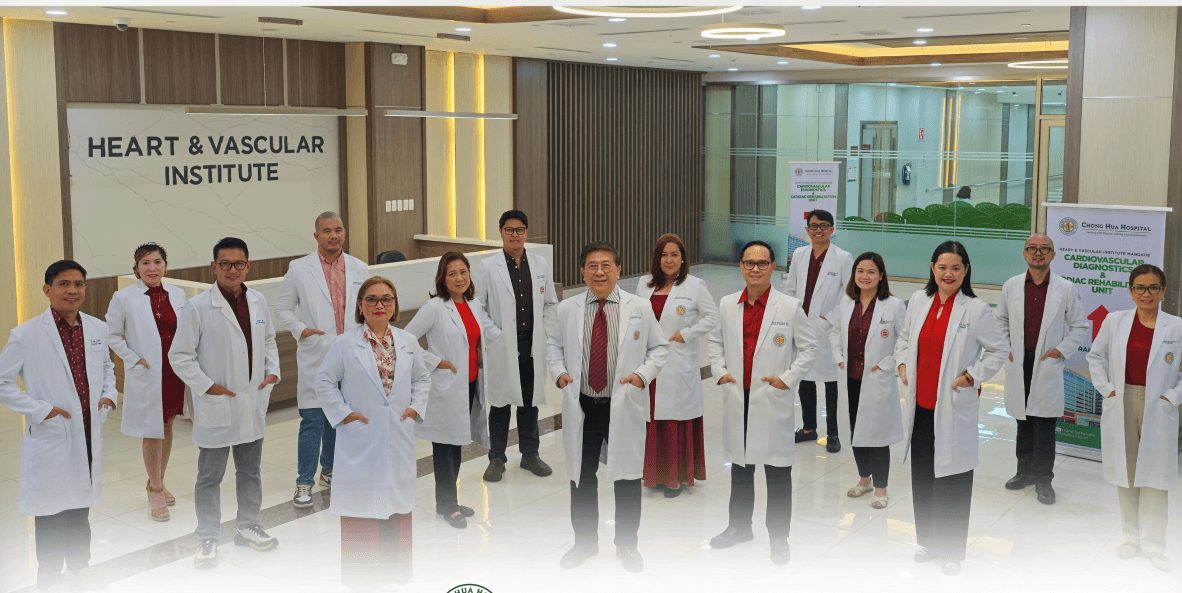
Seamless patient journey
Chio said he used to bring his complex cases to Manila but now, these could be done at CHH in Mandaue where the family could stay with the patient and the cost is significantly lower.
He said their vision is to make the Heart and Vascular Institute the leading referral center for patients across the Visayas and Mindanao.
The CHH is Cebu’s biggest medical facility in Cebu, featuring two major hospitals with a bed capacity of more than 1,000. Apart from its Mandaue hospital, CHH also runs CHH–Fuente Osmeña in Cebu City.
Rooted in service
It started with a group of visionary Chinese businessmen – the Asociacion Benevola de Cebu (ABDCI) who started a small clinic in 1909 which later became what CHH is now.
Benito Gaisano, ABDCI chair, said the opening of the Heart and Vascular Institute in CHH-Mandaue was a response to the realities of time –cardiovascular diseases remained one of the leading causes of death, affecting people from all walks of life. “This milestone reflects a future where excellence in health care is not confined to a few centers, but extended to where it is most needed,” he said during the institute’s launching.
“It is a future where advanced cardiovascular care is defined not only by geography, but by commitment, capability and compassion — by integrating diagnostics, critical care intervention, surgery and rehabilitation into one coordinated ecosystem,” he added.
Chio said the institute was designed as a “continuous patient journey,” with all services integrated within one coordinated system — from early diagnostics and life-saving interventions to critical care recovery, rehabilitation, and long-term prevention — led by a single multidisciplinary team.
Bridging the gap
The challenge especially for patients from the Visayas and Mindanao was the lack of advanced, integrated cardiac care, which forced many of their families to travel either to Manila or abroad to seek treatment.
The institute, said Chio, was put up to address this gap.
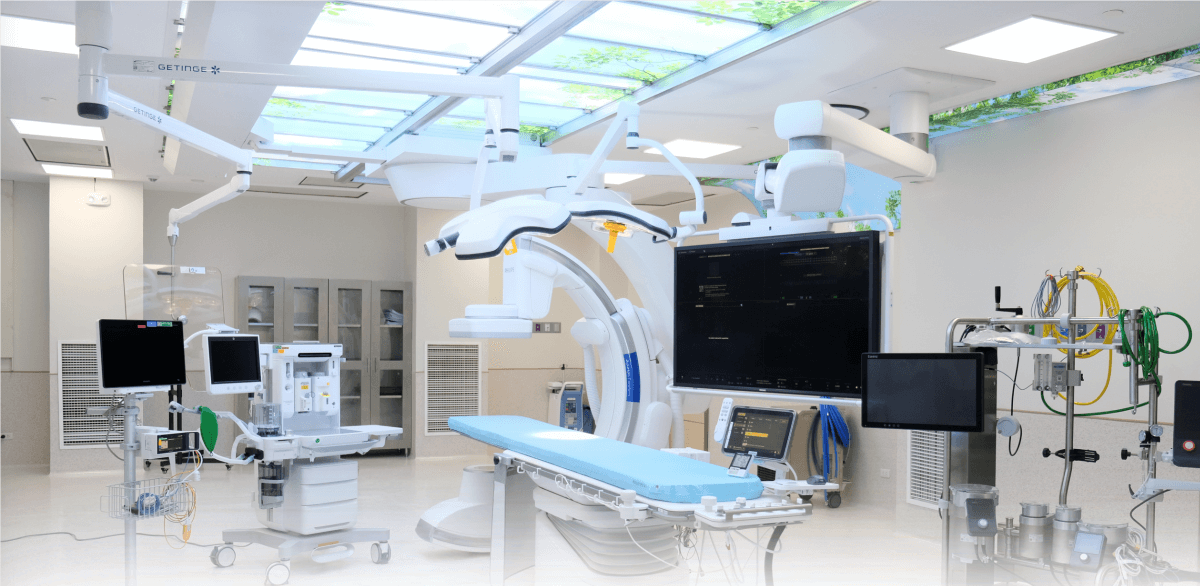
The heart of this ecosystem is a hybrid catheterization laboratory (cath lab) platform, which according to Chio, is exceptionally rare, even by national standards. It is powered by Philips Orion 7 M20 Hybrid OR Suite, and the advanced Siemens Artis Icono Cath Lab system.
Chio said this is one of the very few facilities in the Philippines where both systems coexist, intentionally designed to complement each other.
He pointed out that the Philips Azurion 7 M20 is a hybrid operating room that allows surgeons to perform both open surgery and minimally invasive catheter-based procedures in the same room, eliminating the need to transfer patients.
“It is ideal for complex, aortic, vascular and hybrid cardiac procedures. It enables surgeons and interventional cardiologists to work side by side. It is designed for rapid conversion if the procedure becomes more complex and it enhances precision workflow and patient safety,” he explained.
The Siemens Artis Icono, on the other hand, has high definition imaging with reduced radiation exposure, intelligent workflow automation that shortens procedural time, designed for high risk and high complexity cases.
“For patients, this means clearer diagnosis, safer procedures and better outcomes, especially for complex heart disease,” said Chio.
The combination is considered rare, he added, because most hospitals invest in either a hybrid OR or a Cath Lab. But CHH invested in both.
Care beyond surgery
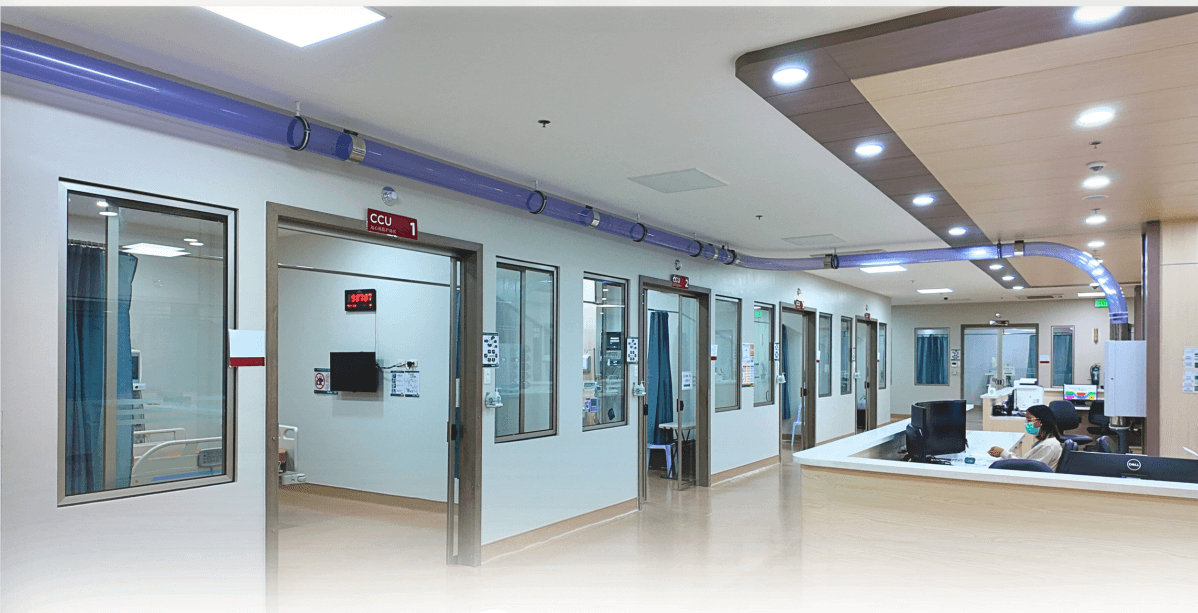
Chio said the institute also includes a primary care unit with continuous, invasive and non-invasive monitoring, hemodialysis capable coronary care units beds, a cardiovascular diagnostics and rehabilitation unit focused on supervised recovery, tailored exercise programs, nutrition and lifestyle modification and long term prevention.
Dr. Virginia Abalos, CHH medical director, said the Heart and Vascular Institute has a bed capacity of 350 although they have requested the Department of Health to increase it to 450.
Asked about the amount invested to put up the institute, Abalos replied: Asked about total investment: “I think the cost of this facility cannot be measured in numbers, in billions (of pesos)” but in the number of lives saved.

Contributor