The council adopted Resolution No. 67 during its full session in Cebu City on Dec. 4, 2025 to compel the DPWH to develop design guidelines that incorporate these elements for use in preparing 2027 budget proposals.
Inter-agency push
These guidelines, which would serve as the standard design framework for infrastructure projects, must be developed in coordination with the Department of Environment and Natural Resources and other concerned agencies, it said.
“The RDC recognized the need for coordinated inter-agency involvement particularly with the DENR and other agencies and for the RDC Infrastructure Development Committee and Environment Committee to review and provide expert technical inputs on guidelines and designs that shall be formulated for the purpose,” the resolution read.
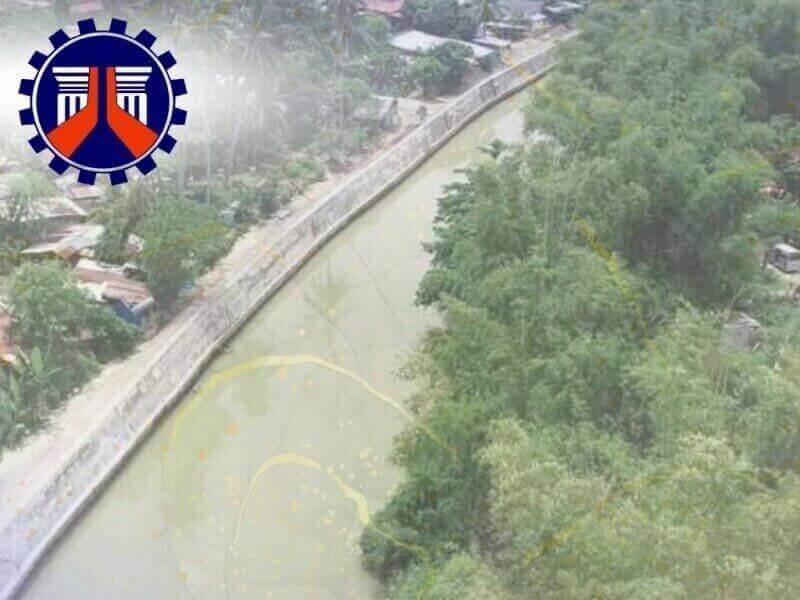
The resolution stemmed from concerns raised during the Regional Project Monitoring Committee (RPMC) meeting on Nov. 12, 2025, that certain DPWH projects had adverse environmental impacts.
The concept explained
To address the concern, the RPMC, through Resolution No. 28, recommended to the RDC-7 to compel DPWH to integrate nature-based solutions into the standard design of infrastructure projects.
According to Resolution No. 67, the World Bank introduced the term “nature-based solutions,” which was later adopted by the International Union for Conservation of Nature to promote alternatives to traditional grey infrastructure.
“This concept encompasses ecosystem-based adaptation and ecological engineering which address societal challenges such as climate change, food and water security and disaster risk reduction while simultaneously enhancing human well-being and biodiversity conservation,” the resolution said.
Nature over concrete
In the World Bank Climate Explainer Series posted on its website, nature-based solutions are defined as actions aimed at protecting, sustainably managing, or restoring natural ecosystems that address societal challenges such as climate change, human health, and food and water security.
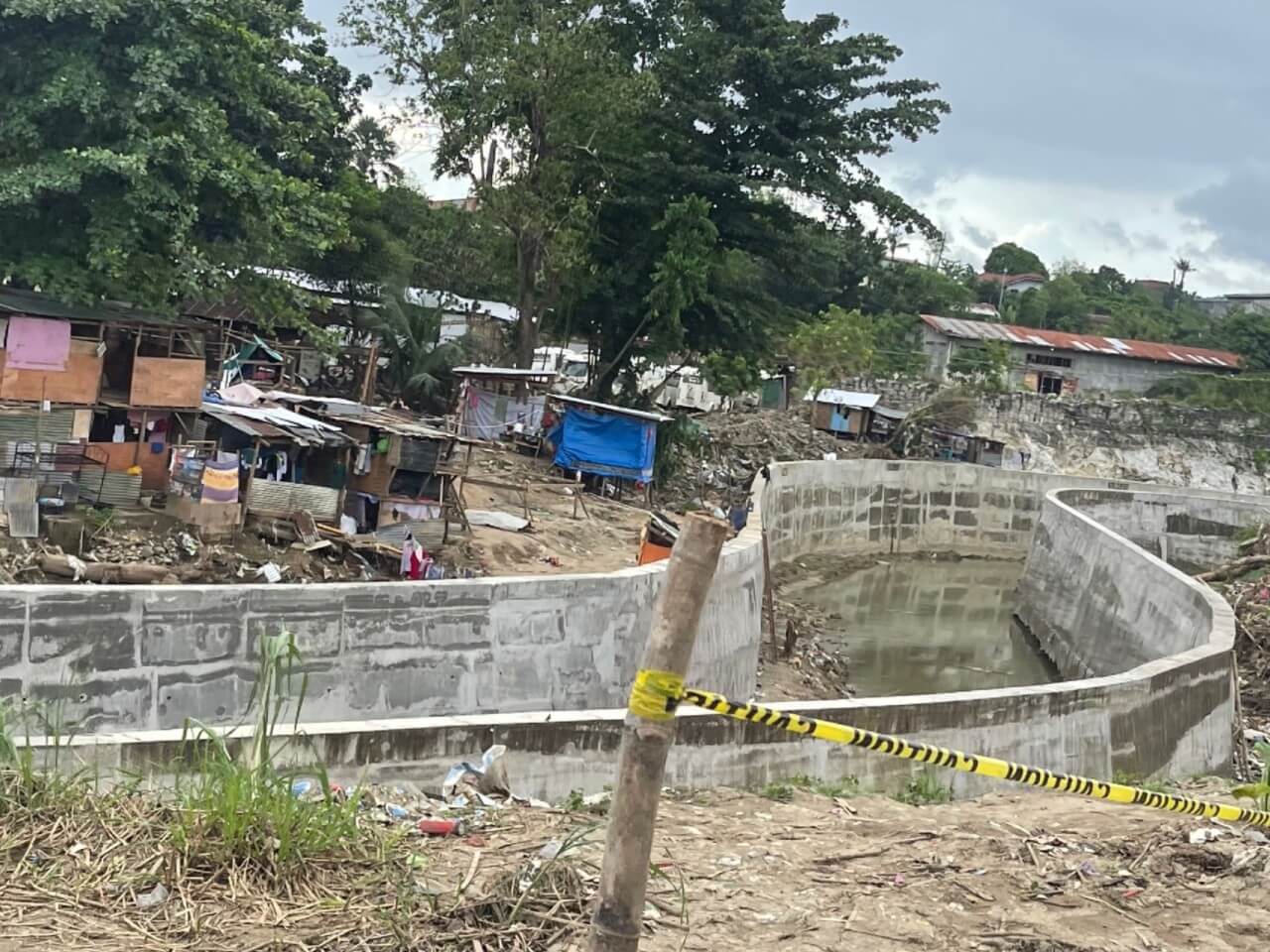
One example cited is flooding, which has traditionally been addressed through man-made or grey infrastructure such as seawalls or dikes.
In contrast, a nature-based solution involves planting mangroves that reduce storm impacts while providing habitats for fish, birds, and other species.
The RDC-7 resolution also cited the United Nations, which promotes nature-based solutions under the 2030 Agenda for Sustainable Development, specifically Sustainable Development Goal (SDG) Target 15.9, which calls for integrating ecosystem and biodiversity values into national and local planning and development processes, including infrastructure and public works.
The RDC-7 pointed out that nature-based solutions are more cost-effective and sustainable than traditional man-made structures, providing long-term cost savings, enhanced resilience, improved living conditions, better water and air quality, and increased biodiversity.
Beyond engineering
The adoption of nature-based solutions is consistent with the Central Visayas Regional Development Plan 2023–2028, which focuses on accelerating climate action and strengthening disaster resilience.
The RDC-7 stressed that social dimensions must be considered during project development and implementation.
It said social interventions should be integrated into infrastructure project design, particularly to address the needs of communities and formal or informal settlers located in or affected by flood control and other projects.

Contributor