Insider Spotlight
Twilio's 2026 Customer Insights Series found AI agents already handle 46 percent of customer service conversations in the Philippines. Business leaders expect that figure to climb to 61 percent by 2027.
AI loses context
The expansion is exposing what Twilio calls "AI amnesia," where automated systems lose context and make customers repeat information. Seventy-three percent of Filipino consumers said they have encountered this problem, while 74 percent of businesses believe their AI agents can recognize returning customers and access their history.
When AI loses context, 73 percent of consumers stop using the agent during the interaction. Most switch to a human representative or abandon their inquiry, while 4 percent end their relationship with the brand altogether.
Sensitive activities
Consumers nevertheless remain receptive to AI. Seventy-nine percent said customer service bots improved over the past year, while willingness to delegate routine tasks reaches 89 percent for scheduling appointments and 87 percent for dinner reservations or returns.
Trust declines for more sensitive activities. Sixty-one percent are willing to let AI process payments, 58 percent would allow it to initiate loan applications and 54 percent would use it for medical inquiries.
‘High-trust market’
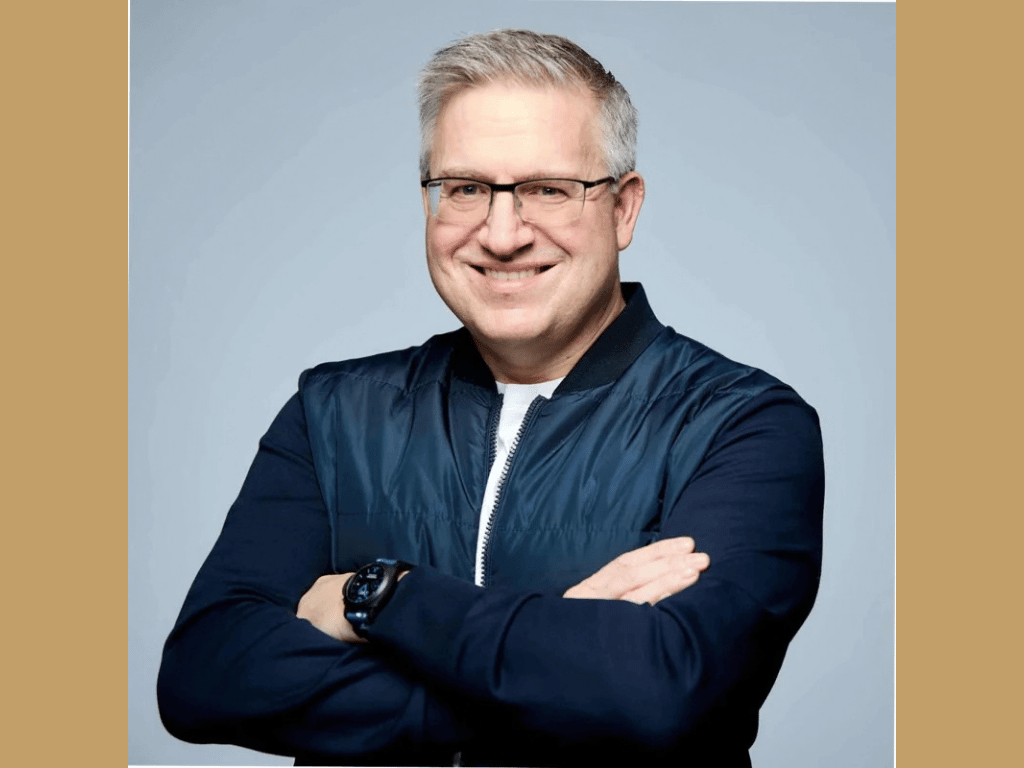
"The Philippines has always been a remarkably high-trust market and increasingly, that trust is extending to AI agents. While eliminating hold times has been a real win for customers requiring speed, fast responses cannot sustain customer loyalty if AI agents—now handling almost half of customer conversations—exhibit amnesia,” Twilio vice president of marketing, Asia Pacific and Japan Nicholas Kontopoulos said in a press statement.
Transparency
Transparency could become increasingly important as AI takes on more customer interactions. While 73 percent of consumers want upfront disclosure that they are talking to AI, just 26 percent of Philippine organizations provide it at the start of every interaction.
Twilio surveyed 353 Philippine consumers and 35 business leaders as part of a global study conducted from April 9 to May 1, 2026. —Vanessa Hidalgo | Ed: Corrie S. Narisma