With 86 percent of Filipino knowledge workers already using generative AI in their daily tasks, businesses have established a strong foundation for wider adoption. Industry leaders, however, say sustaining that momentum will require investments in workforce development, stronger infrastructure, and more deliberate implementation efforts.
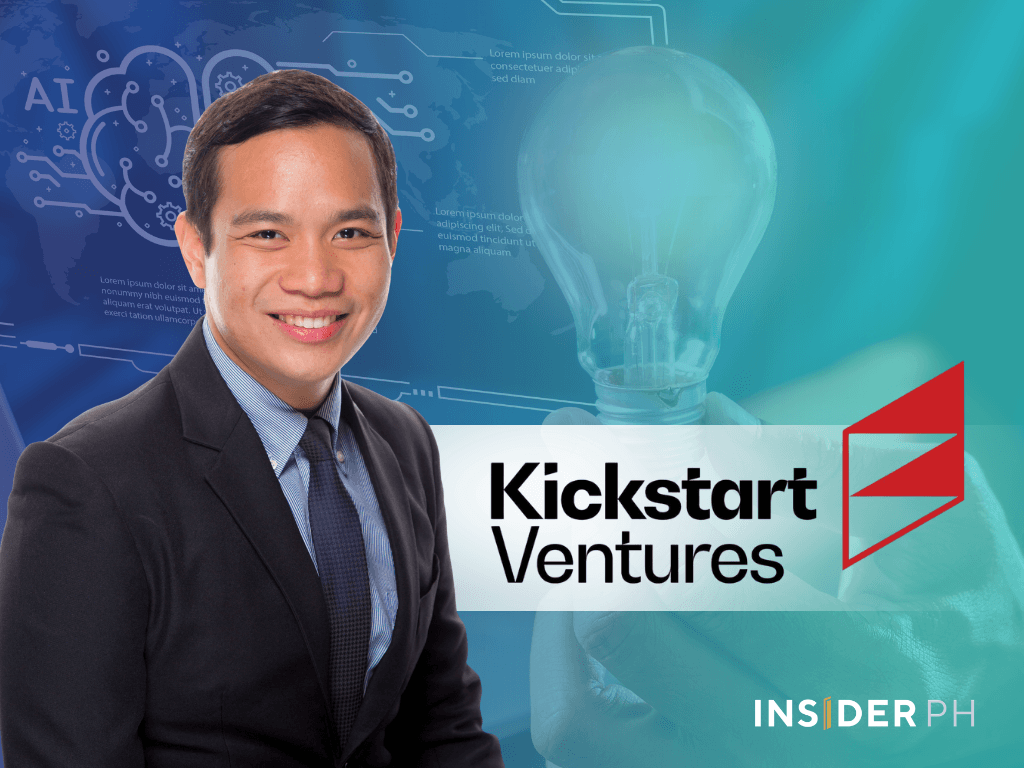
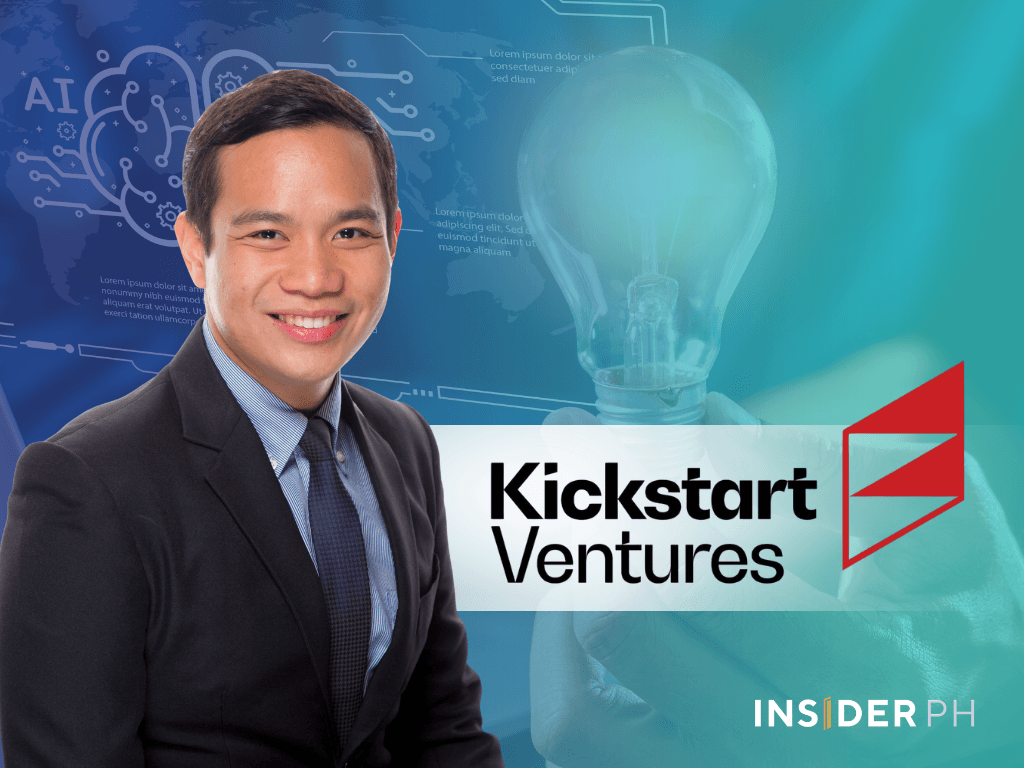
“Technology is only as powerful as the people who use it. Lasting transformation happens when strong operational understanding meets creativity, together enabling smarter, more impactful AI adoption,” Kickstart Ventures HR director Jerome Zapata said in a statement.
As AI increasingly handles repetitive tasks, employees are being freed to focus on higher-value work that requires critical thinking, judgment, and strategic decision-making.
While AI can produce outputs at scale, organizations continue to rely on human oversight to ensure relevance, accuracy, and alignment with business objectives.
Growing demand
Philippine companies are showing increasing interest in AI-powered tools, according to Sprout Solutions chief technology officer Gian dela Rama. Sprout Solutions is a homegrown B2B software-as-a-service company specializing in AI-enhanced HR, payroll, and business solutions.
“Customers are now actively asking about the AI features in Sprout Solutions, and at the same time, we’re seeing a strong early-adopter mindset across the Philippine workforce. Many employees, including managers and leaders, are already using AI in their day-to-day work,” dela Rama said.

The company reported a sharp rise in the use of its AI-powered features. Monthly active users climbed from about 2,000 late last year to more than 35,000 in recent months, representing more than a 15-fold increase.
The growth reflects how quickly AI is becoming embedded in everyday workplace processes across industries.
Productivity gains
Beyond adoption, organizations are beginning to see measurable business benefits.
According to Sprout Solutions, teams using generative AI in daily operations have recorded productivity gains ranging from 15 percent to 30 percent.
One customer-facing unit, Managed Payroll Services, reduced workflow tasks by as much as 75 percent through the use of agentic AI while doubling its client-handling capacity.
“They were able to handle twice as many clients with the same number of people,” dela Rama said. “The job is actually expanding. It’s not just about doing less; it’s about being able to do more.”
The results suggest that AI’s impact extends beyond efficiency improvements, enabling organizations to scale operations and create additional value without proportionately increasing resources.
Beyond tools
As organizations integrate AI more deeply into their operations, experts say workforce readiness must evolve alongside technology.
Zapata noted that businesses are increasingly focusing on long-term capability building rather than simply introducing new tools.
“With AI evolving rapidly, organizations must invest in foundational skills that enable employees to understand, use, and adapt to both current and emerging technologies,” he said.
For workforce development platform BagoSphere, successful AI adoption depends as much on people as it does on technology.

“Workplaces where people thrive through change are those where it feels safe to ask questions and try something new,” said BagoSphere head of business and co-founder Ellwyn Tan.
“An AI-ready worker isn't defined by their familiarity with tools, but by whether they're grounded enough in their own values and purpose to adapt when the tools change and keep their judgment intact under pressure.”
Tan said organizations that focus solely on introducing technology often encounter uneven adoption and execution challenges when employees are not adequately prepared for change.
Shared effort
Industry leaders believe workforce enablement is becoming a collective responsibility as AI adoption accelerates across sectors.
“Once enough users have adapted certain technologies, it can—and will—disrupt traditional industries for the better,” Zapata said.
He emphasized the importance of partnerships, education initiatives, and knowledge-sharing platforms in helping organizations strengthen AI readiness.
For BagoSphere, investing in people remains central to workforce transformation efforts. The organization said it has reached more than 42,200 community members, trained over 16,000 alumni, and achieved an 80 percent employment rate within 90 days among graduates of its BPO fellowship program.
Together, these developments underscore a broader reality: the future of work is not about AI replacing people, but about how people adapt and work alongside it.
“Expecting that AI could be this magic wand wherein you wave it and everything is fixed—that is the wrong way of looking at it,” dela Rama said. “It will be adaptive, it will be transformative, but you have to put in the work.”
As AI adoption continues to accelerate, organizations that successfully convert experimentation into capability stand to gain significant advantages in productivity, scalability, and innovation. Those that fail to prepare their workforce may find themselves struggling to keep pace in an increasingly AI-driven economy. —Ed: Corrie S. Narisma