Insider Spotlight
The Philippines imports up to 95 percent of its crude oil, leaving it highly exposed to global price swings. As fuel costs climb, transport fares rise and household budgets tighten, underscoring structural vulnerabilities in distance-heavy urban design.
Why it matters
Urban layouts that depend on long commutes magnify the impact of fuel shocks. When mobility becomes more expensive, access to work, goods, and services becomes less predictable, directly affecting productivity and quality of life.
Zoom in
The “15-minute city” model is gaining traction as a countermeasure. By clustering workplaces, homes, retail, and essential services within short distances, these developments reduce reliance on fuel-intensive transport and stabilize daily routines.
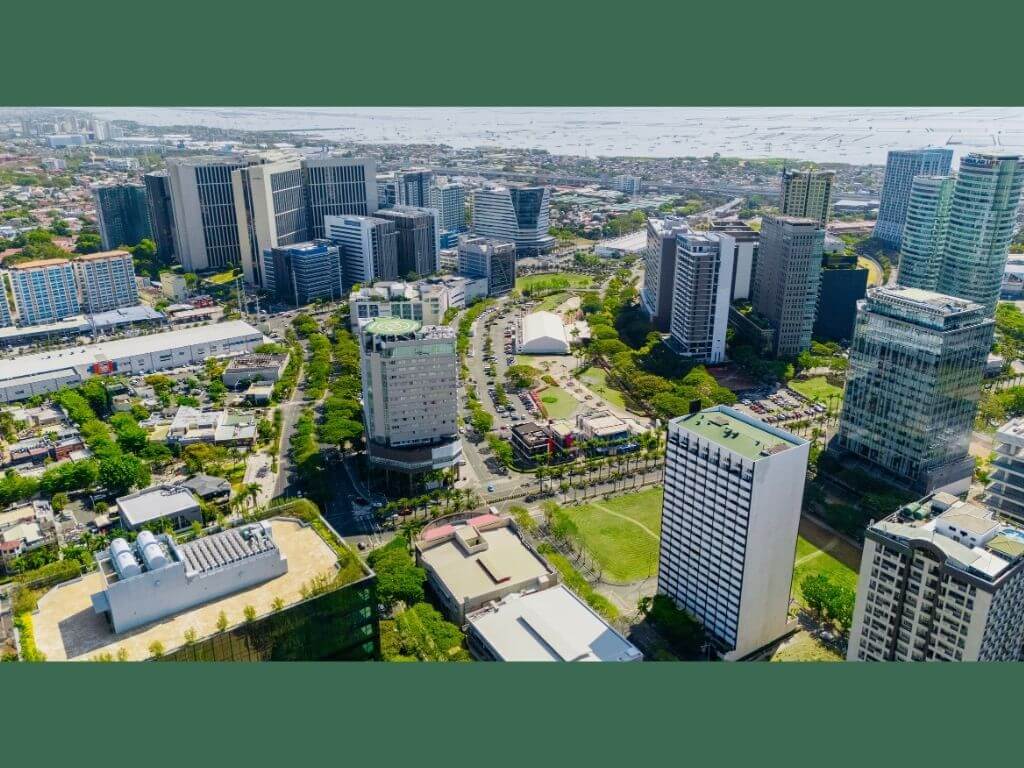
Filinvest City in Alabang offers a local example. Its mixed-use design allows residents to walk or bike to offices, groceries, and leisure spaces, minimizing exposure to volatile transport costs.
Between the lines
This concept is not new but has gained renewed relevance. The COVID-19 pandemic demonstrated how proximity supports resilience when movement is restricted. Today, rising oil prices present a similar stress test, this time driven by economic forces.
What’s changing
Developers are increasingly prioritizing “internal completeness”—integrating residential, commercial, and institutional spaces within walkable districts. This reduces the need for daily travel rather than simply improving transport efficiency.
Filinvest City complements this approach with EV-ready infrastructure, bike lanes, and an intra-city shuttle, signaling a shift toward lower-carbon and less fuel-dependent mobility systems.
The bottom line
As fuel price volatility persists, proximity is evolving from a convenience into a competitive advantage. Cities designed around accessibility rather than distance are better positioned to absorb external shocks, redefining long-term urban value. —Vanessa Hidalgo |Ed:Corrie S. Narisma