The milestone, detailed in the company’s 2025 TP Impact Report, reflects steady progress in its transition to cleaner energy across its 26 sites nationwide. The development positions TP among the leaders in sustainability within the country’s IT-BPM sector.
“Our transition to renewable energy is no small feat, but it reflects our commitment to acting as a responsible and sustainable organization,” said Rahul Jolly, chief executive officer of TP in the Philippines.
He added that the year-on-year increase demonstrates how sustainability commitments are translating into measurable outcomes.
“As one of the largest employers in the country, with widespread operations, we highly recognize our actions and how they can impact industry standards,” Jolly said.
Emissions reduction gains
Alongside higher renewable energy usage, TP reported a 52-percent reduction in total carbon dioxide emissions. Its emissions intensity has dropped to 0.25 tCO₂e per full-time employee, representing a 77-percent improvement from its 2019 baseline.
The company said this reflects its ability to reduce environmental impact while continuing to scale operations.
Green infrastructure investments
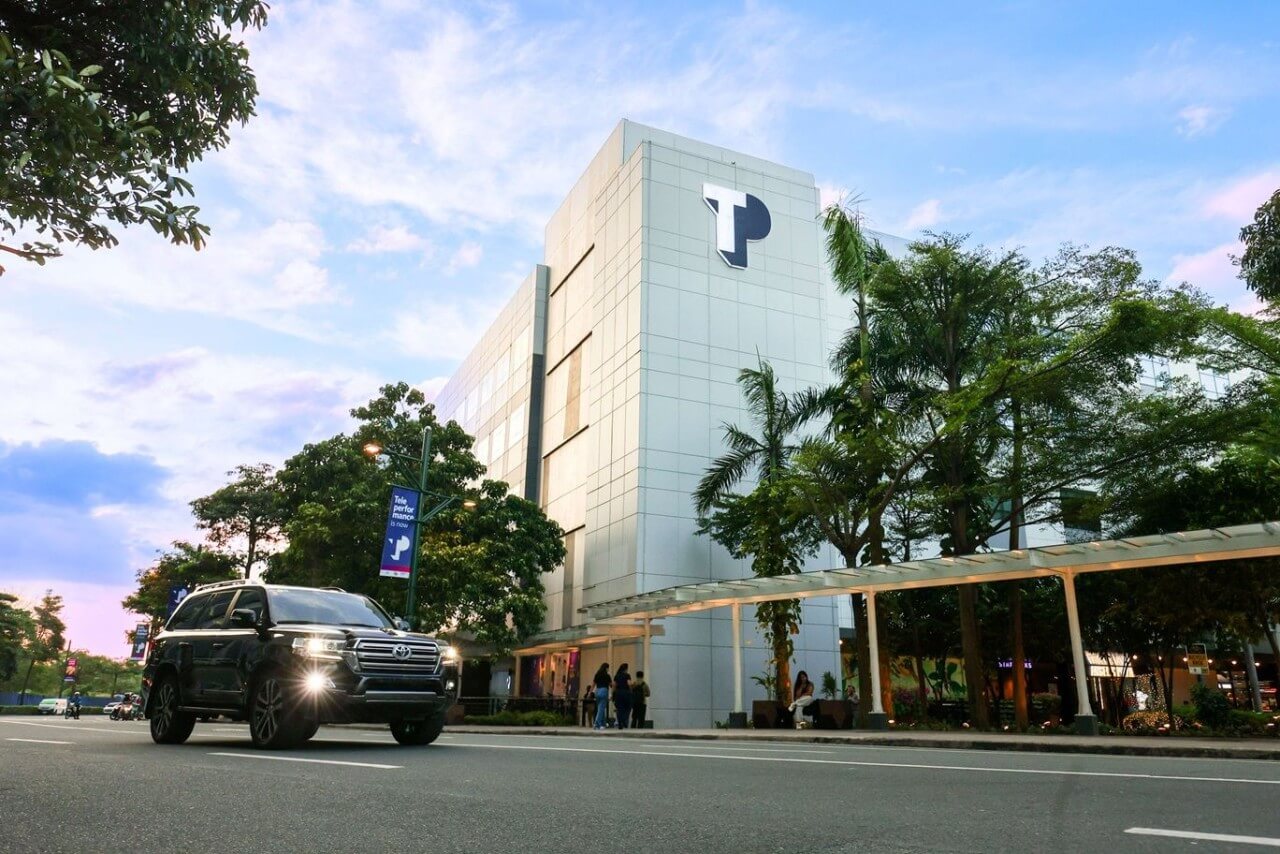
Infrastructure upgrades have played a key role in TP’s sustainability strategy. Several of its sites operate within LEED-certified buildings, including facilities in McKinley, Aura, and Vertis North.
Meanwhile, its Alabang Plaza E and Alabang Vector 3 sites carry both LEED and EDGE certifications.
These buildings are designed to lower energy demand through efficient cooling systems, optimized layouts, and responsible water usage.
Global targets and local action
TP’s climate roadmap aligns with the Science Based Targets initiative, supporting goals under the Paris Agreement.
Globally, the company aims to source 50 percent renewable energy by 2026 and 80 percent by 2030.
It has also committed to reducing absolute Scope 1 and 2 emissions by 56.7 percent and Scope 3 emissions by 27.5 percent by 2030, using 2019 as its baseline.
TP is among the first 100 companies to sign the Climate Pledge, targeting net-zero carbon emissions by 2040—10 years ahead of the Paris Agreement timeline.

Beyond energy: culture and community
Beyond infrastructure, TP continues to expand initiatives such as IT asset circularity, equipment donations, and its Cloud Campus model, which helps reduce commute-related emissions.
The company also partners with organizations like Aboitiz Power to supply renewable energy to key sites under the Green Energy Option Program (GEOP).
It participates in global campaigns such as Earth Hour across all its facilities.
Ed Punzalan, vice president for facilities and administration, emphasized that sustainability extends beyond metrics.
“For us, sustainability is about people as much as it is about power sources,” Punzalan said.
“Every percentage increase in renewable energy reflects thousands of daily decisions made by our teams.”
Through programs like Citizen of the World and Citizen of the Planet, TP aims to embed environmental responsibility into its workplace culture.
As sustainability becomes a core expectation in the IT-BPM sector, TP in the Philippines is positioning itself as a model for balancing decarbonization with operational resilience. —Ed: Corrie S. Narisma