Insider Spotlight
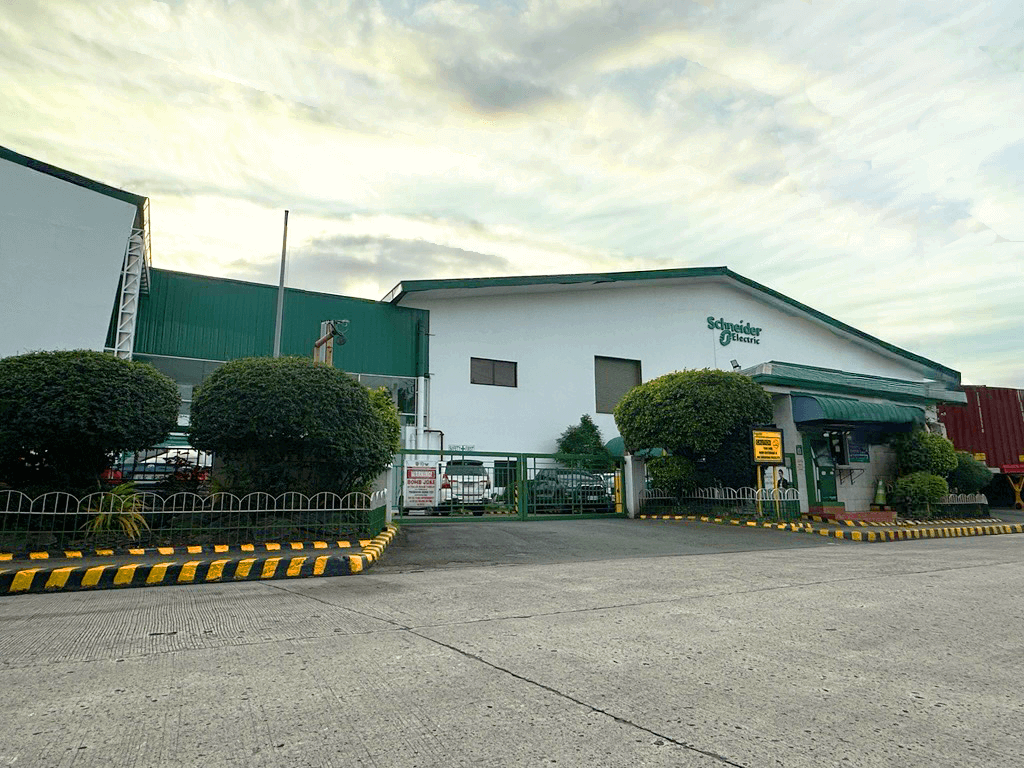
Completed on Dec. 26, 2025, the transition makes the Rosario, Cavite facility the first manufacturing site inside a government-operated economic zone in Luzon to run on clean power. It is also Schneider Electric’s first factory in East Asia to achieve the milestone.
The move coincided with the company’s 30th year in the Philippines and was formally marked during its 190th global foundation anniversary on January 14, 2026.
Why it matters
As energy costs and climate risks rise, manufacturers are under pressure to cut emissions without compromising output. Schneider Electric is framing its Cavite shift as proof that sustainability investments can strengthen long-term competitiveness.
“By moving our Cavite Smart Factory to 100 percent renewable energy, we are demonstrating that sustainability and industrial competitiveness can go hand in hand,” said Antonio Cheng Jr., Cavite cluster plant director, in a press statement.
“This facility shows what can be achieved when innovation and collaboration come together and we hope it serves as a model for more Philippine manufacturers to follow.”
How it worked
The transition was enabled through the Green Energy Option Program, which allows qualified electricity users to choose renewable energy suppliers.
Schneider Electric worked with the Philippine Economic Zone Authority, Cavite Economic Zone, Meralco Ecozone Power, Independent Electricity Market Operator of the Philippines (IEMOP), and ACEN Renewable Energy Solutions to complete the shift—highlighting the cross-sector coordination required to replicate the model.
“We commend Schneider Electric for collaborating with partners and embracing innovations that align with our shared vision of a more sustainable and inclusive energy future,” said Arjon Valencia, corporate planning and communications manager of IEMOP.
By the numbers
The Cavite Smart Factory employs over 1,300 people and serves as a key production hub within Schneider Electric’s East Asia supply chain.
Established in 1996 and integrated into Schneider Electric in 2007 after the acquisition of American Power Conversion, the facility manufactures secure power and industrial automation solutions for global markets.
The renewable milestone supports Schneider Electric’s broader net-zero goals. Since 2018, the company said it has helped customers save and avoid 729 million tons of carbon dioxide emissions and cut emissions from its top 1,000 suppliers by 53 percent since 2020.
What’s next
“We will continue to provide solutions that help industries reduce carbon emissions while maintaining efficiency and resilience in the way we operate,” shared Cheng.
With its Cavite facility now fully powered by renewables, Schneider Electric is making the case that large-scale clean energy adoption in Philippine manufacturing is not only possible—but repeatable. —Ramon C. Nocon | Ed: Corrie S. Narisma