The multi-specialty eye care provider said it would offer discounts of up to 25 percent on selected diagnostic and surgical procedures across its facilities from Oct. 1 to 15.
AEI is also expanding its community programs, including its participation in First Lady Liza Araneta-Marcos’ LAB for ALL, or Laboratoryo, Konsulta, at Gamot Para sa Lahat, where it provides eye examinations, eyeglasses, medicines and protective goggles to underserved communities.
From Boston to Makati
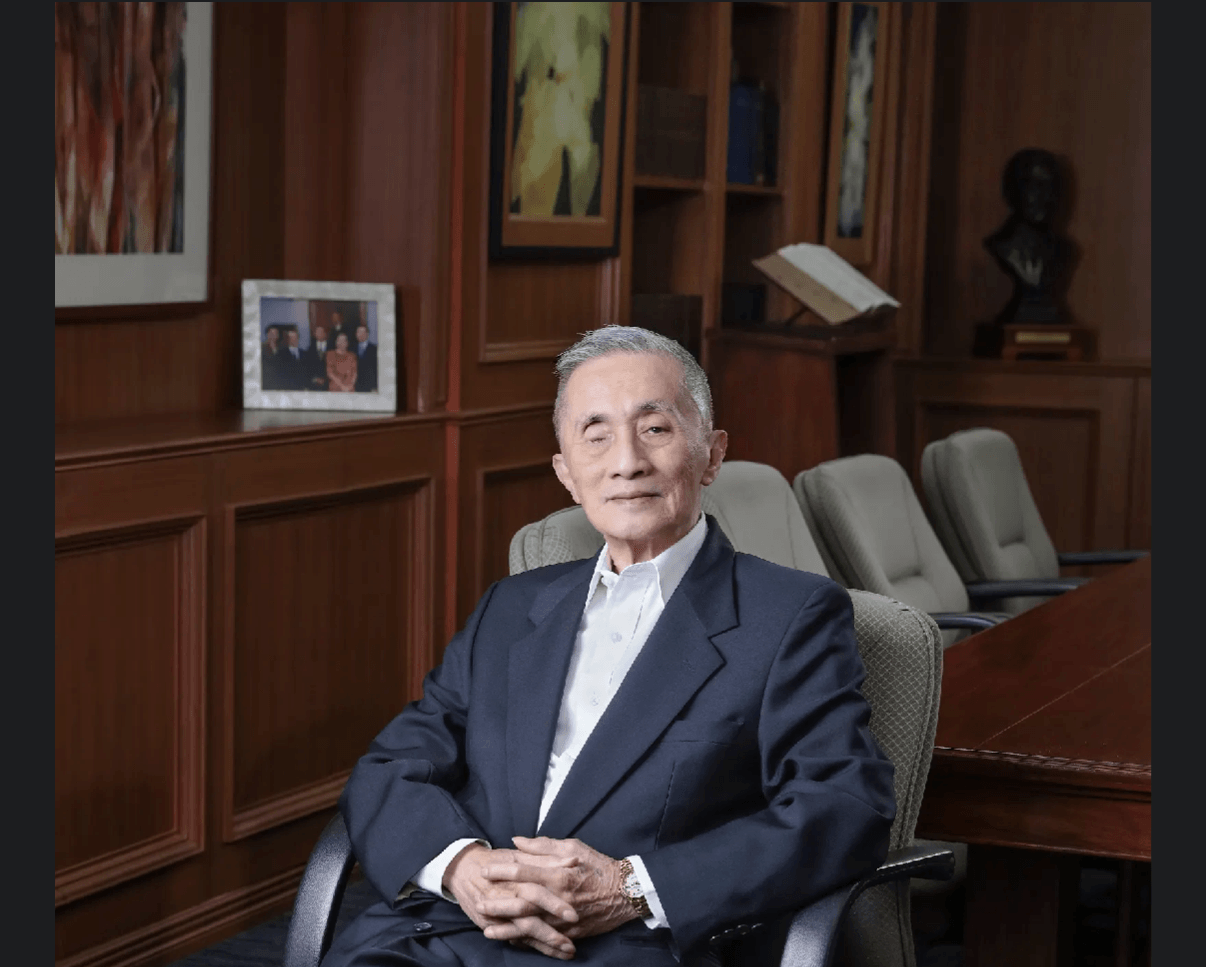
AEI traces its roots to a 1999 conversation between then First Philippine Holdings Corp. (FPH) chair and CEO Oscar M. Lopez and his Harvard-affiliated physician, Dr. Felipe Tolentino.
Lopez was undergoing glaucoma treatment in Boston when the discussion turned to the difficulty Filipinos faced in accessing specialized eye care and medical technology available overseas.
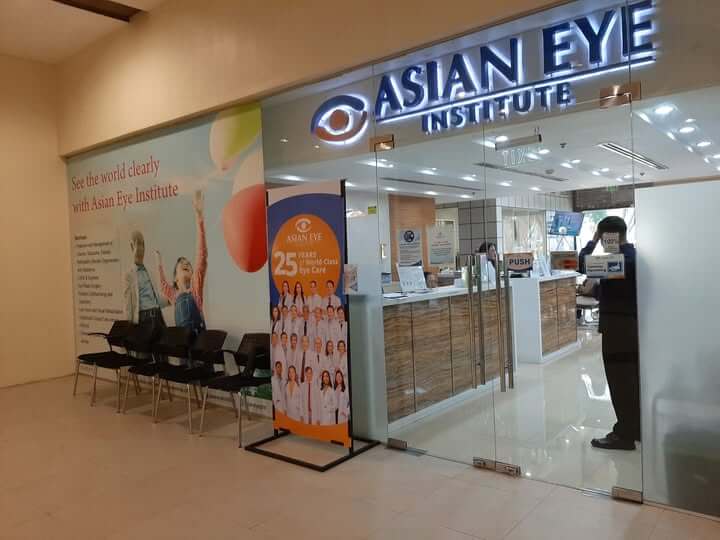
The idea eventually became AEI, which opened its first clinic in Rockwell, Makati City, with the support of seven Harvard-trained doctors.
Today, AEI operates five internationally certified locations and has 19 internationally trained specialists. Its facilities include locations in Trinoma, Alabang, Power Plant Mall and St. Francis Cabrini Hospital in Sto. Tomas, Batangas.
“Asian Eye Institute really began with my father's own experience as a patient, and his realization of how difficult it was for many Filipinos to access the kind of expertise and technology available overseas,” FPH chair and CEO Federico “Piki” Lopez said.
He recalled his father describing AEI at its inauguration as “a business with a social commitment.”
“Twenty-five years later, that remains a true description of what it was meant to be — and what it is today,” Lopez said.

300,000 patients
Over the past 25 years, AEI said it has provided services to more than 300,000 patients through diagnostics, consultations and procedures ranging from cataract removal and LASIK to cosmetic operations.
The institute has also invested in new ophthalmic technologies as part of its strategy to provide treatments locally that previously might have required patients to travel overseas.
In 2005, AEI acquired optical coherence tomography technology used to diagnose and monitor glaucoma and retinal conditions. It introduced Supracor laser-based presbyopia treatment in 2011 and the Victus Femtosecond Laser for cataract procedures in 2013.
Robotics push
AEI's technology push extended into artificial intelligence and robotics this year.
In April, the institute participated in the completion of what it described as the world's first fully robot-assisted cataract surgery on a human patient.
The procedure involved ForSight Robotics' JASPER platform, which uses artificial intelligence and robotics to perform cataract surgery.
Beyond technology investments, AEI said it plans additional medical missions and charity activities for vulnerable sectors as part of its anniversary initiatives.
“As we look to the years ahead, our responsibility is not simply to preserve what was built, but to keep building on it — embracing new technologies, reaching more communities, and continuing to raise the standards of eye care so that more Filipinos can see life clearly,” Lopez said. —Ed: Corrie S. Narisma