Insider Spotlight
The terminal, located in Bauan, Batangas, is being developed to bring large-scale container handling closer to one of the country’s most industrialized regions, home to export-oriented electronics, automotive, food and consumer goods manufacturers.
Why it matters
Calabarzon accounts for a significant share of Philippine manufacturing output, but exporters have long depended on ports in Manila, adding cost, congestion and transit time.
A dedicated international container hub in Southern Luzon is expected to streamline logistics and improve competitiveness for exporters serving regional and global markets.
By situating capacity nearer to factories, the terminal is designed to reduce inland transport moves, shorten lead times and provide shippers with more routing options, according to ICTSI.
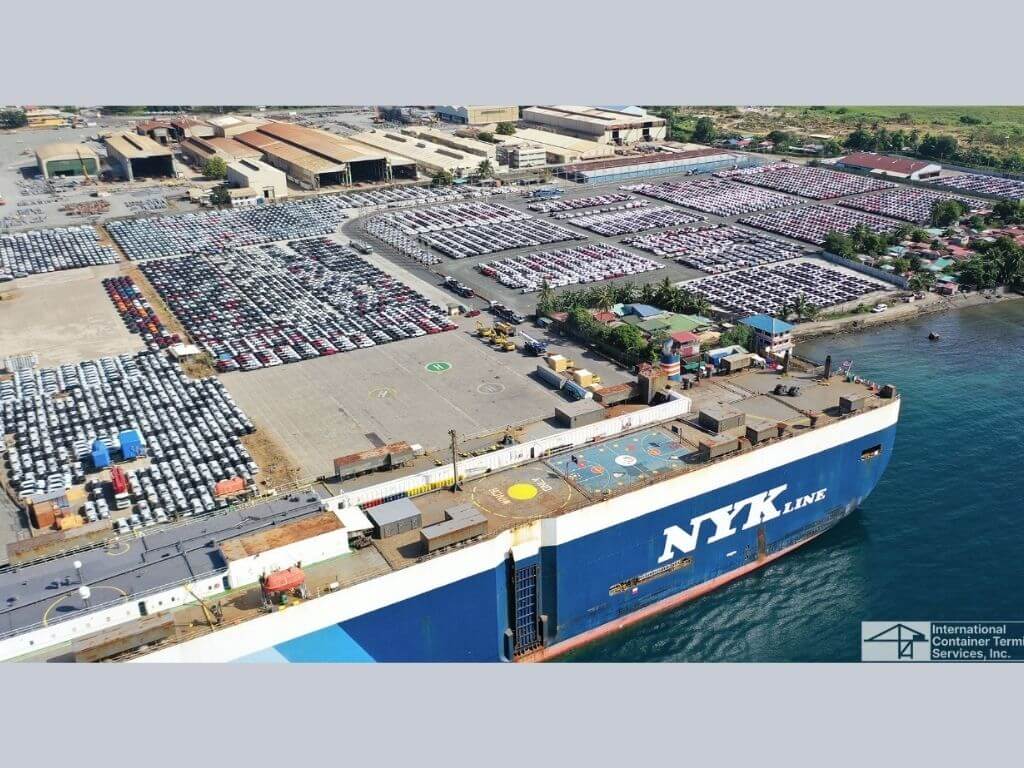
What’s happeningIn a press release, it said that the South Luzon Container Terminal is a greenfield redevelopment of the existing Bauan International Port, which previously focused on roll-on, roll-off cargo.
It is being converted into a modern container facility capable of handling ultra-large container vessels, with a planned depth of up to 18 meters to support bigger ships and more reliable schedules.
Construction will be phased, with commercial operations targeted for 2028. Once fully operational, the terminal is expected to expand national container capacity by more than 2 million twenty-foot equivalent units annually across ICTSI’s network.
The big picture
Logistics executives and policymakers have pointed to port access as a bottleneck for export growth outside Metro Manila.
A Batangas-based container gateway could also help decongest the Port of Manila while supporting balanced regional development in Southern Luzon.
The Department of Transportation and the Philippine Ports Authority have noted that the project aligns with the national Build Better More infrastructure program, which prioritizes port capacity expansion to support trade and economic growth.
What to watch
Phase 1 of the project includes marine works and a 425-meter quay equipped with super post-Panamax cranes, giving the terminal the ability to serve mainline international services.
Its connectivity to major road corridors and planned expressways will be key to whether manufacturers shift volumes south.
If successful, the South Luzon Container Terminal could reshape export logistics for Calabarzon, anchoring the region more firmly into global supply chains and reinforcing Batangas’ role as a premier trade gateway. —Vanessa Hidalgo | Ed: Corrie S. Narisma