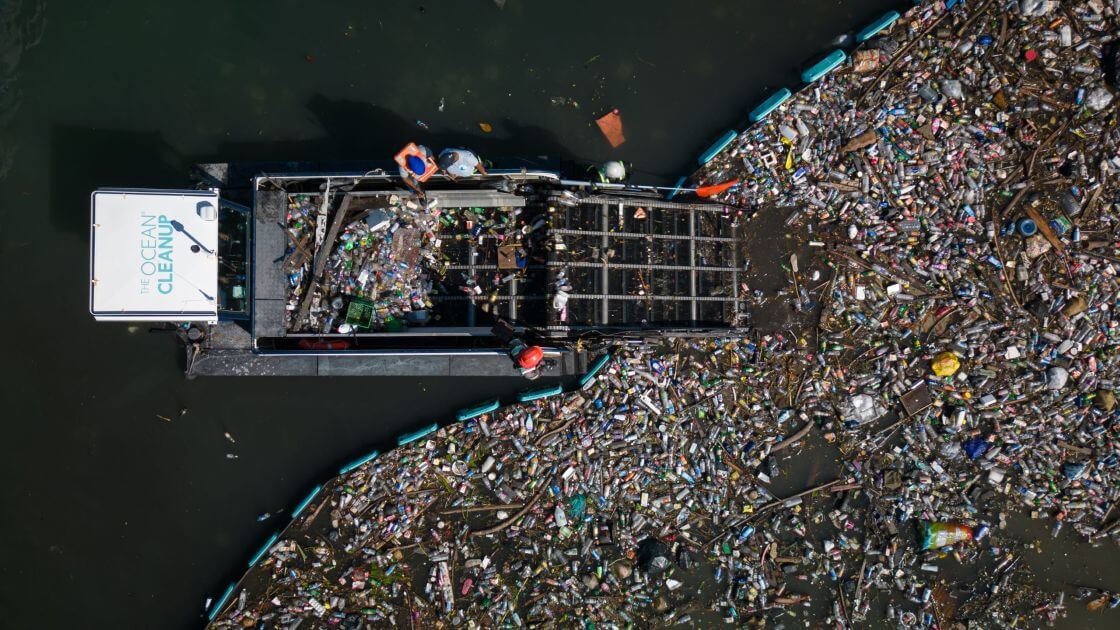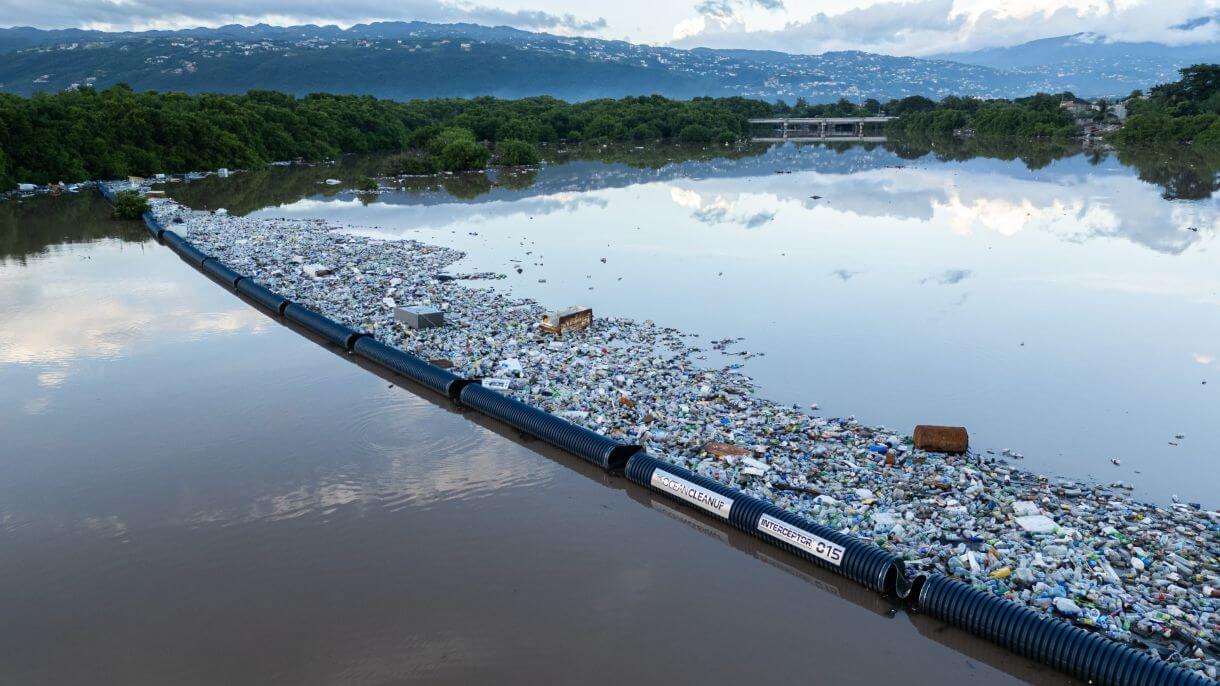
Manila is among the first cities selected for the initiative, joining global urban centers such as Los Angeles, Mumbai, and Panama City. The program’s rollout in the Philippines is planned to begin in 2026, with an initial focus on the waterways feeding into Manila Bay.
Why Manila matters
Plastic pollution remains a major environmental challenge for the country. According to the World Bank, the Philippines is among the world’s top contributors to ocean plastic waste, with an estimated 0.75 million metric tons of mismanaged plastic entering the ocean every year.
A separate study by EcoWaste Coalition, KOICA, DENR, and De La Salle University–Dasmarinas found that more than 90 percent of collected waste from waterways leading to Manila Bay consists of hard and film plastics.
How the program works
The 30 Cities Program aims to intercept plastic waste before it reaches the ocean, accelerating The Ocean Cleanup’s efforts across 30 key cities in Asia and the Americas. The organization targets the elimination of up to one-third of global river plastic pollution by the end of the decade.
The environmental group estimates that 1,000 rivers are responsible for nearly 80 percent of global annual river plastic emissions, which range from 0.8 million to 2.7 million metric tons.
The remaining 20 percent comes from roughly 30,000 rivers worldwide, many of them small urban waterways.
Technology-driven approach
The Ocean Cleanup works with government agencies, private corporations, scientists, and local partners to deploy its portfolio of Interceptor solutions. These range from heavy-duty trash traps to autonomous, solar-powered systems designed to capture plastic directly from rivers.
In the Philippines, the organization is building collaborations with national and local government units, the private sector, and intergovernmental organizations, with the goal of launching its first projects this year.
Data leads decisions
Using artificial intelligence, river mapping, and data analytics, The Ocean Cleanup identifies the most effective Interceptor type and deployment points. Collected waste is transported to shore for proper disposal and recycling in coordination with local partners.
Site selection is based on identifying rivers that deliver the highest environmental impact, combining scientific modeling, on-the-ground experience, and local research.
Through its AI-powered Smart River Survey, the organization uses remote-sensing cameras, GPS trackers, and drone mapping to understand plastic flows and operational conditions.
What they’re saying
“Through the 30 Cities Program, The Ocean Cleanup aims to shift from isolated river cleanups to city-wide, scalable solutions,” said Boyan Slat, founder and CEO of The Ocean Cleanup.
“In the Philippines, the program represents our long-term commitment to protecting coastal ecosystems and safeguarding Manila Bay for future generations.” —Ed: Corrie S. Narisma