Insider Spotlight
That expectation is growing sharper in emerging urban markets, where transport demand often runs ahead of infrastructure. Across parts of South and Southeast Asia, basic safety tools such as SOS buttons remain unevenly deployed, frequently reserved for premium vehicles.
Even when present, these features often work in isolation, disconnected from operations and human response.
A different model is beginning to take hold. Instead of treating safety as a disruption triggered only when something goes wrong, operators are embedding it directly into routine service.
In this approach, safety works quietly in the background, supporting everyday travel rather than interrupting it.
Designing safety as a system, not a button
In the Philippines, Green GSM has taken this integrated approach through its Secure-to-Safe or S2S system, installed as a standard feature across its taxi fleet.
The company outlined the design and intent of the system in a recent press release, emphasizing safety as a coordinated framework rather than a single emergency function.
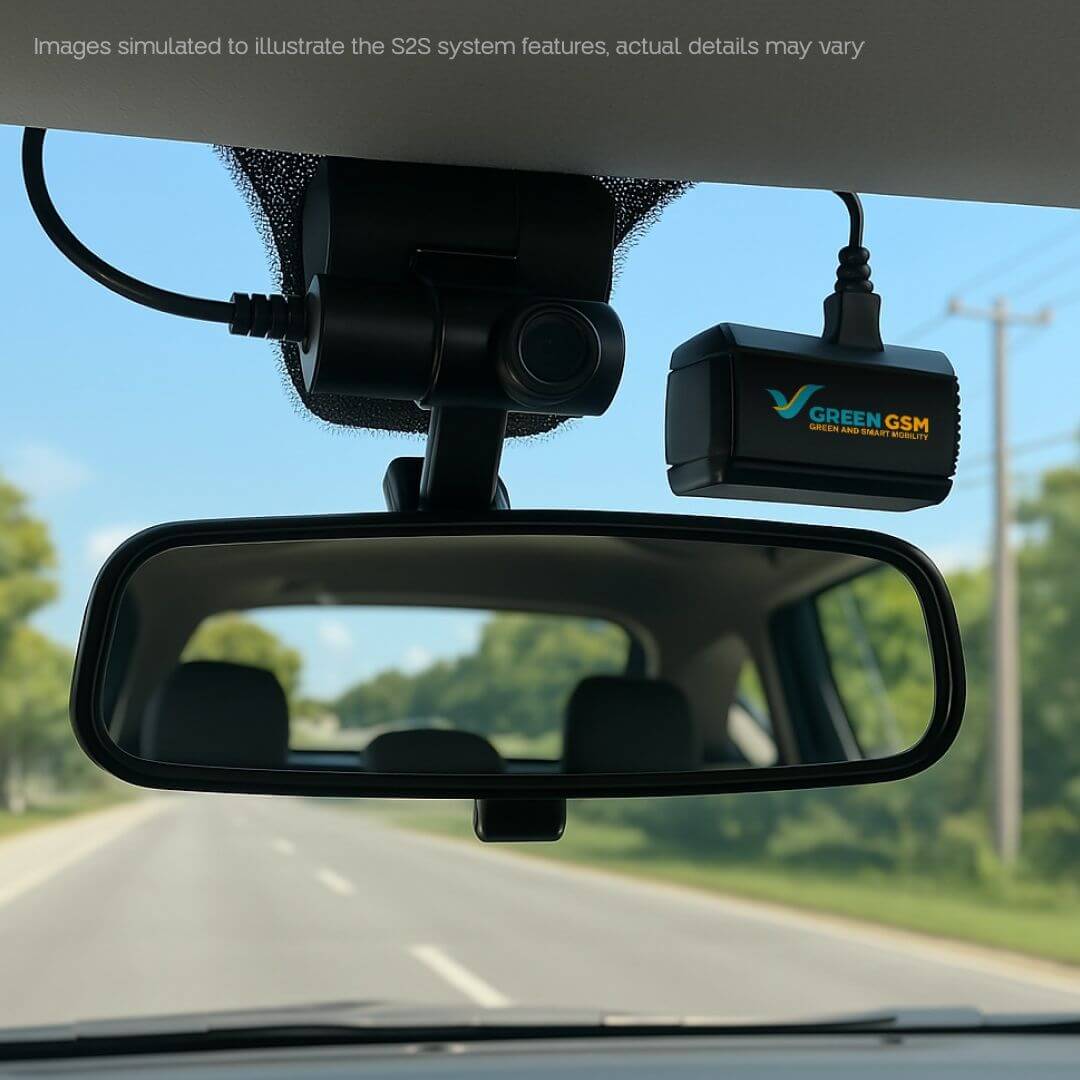
S2S combines in-cabin and exterior cameras, emergency alert buttons for both passengers and drivers, and monitoring tools that help identify irregular situations during a trip.
As described in the press release, activating an emergency button sends an alert to the operations center, where predefined response protocols are triggered. These may include customer support intervention, coordination with nearby resources, or engagement with authorities when required.
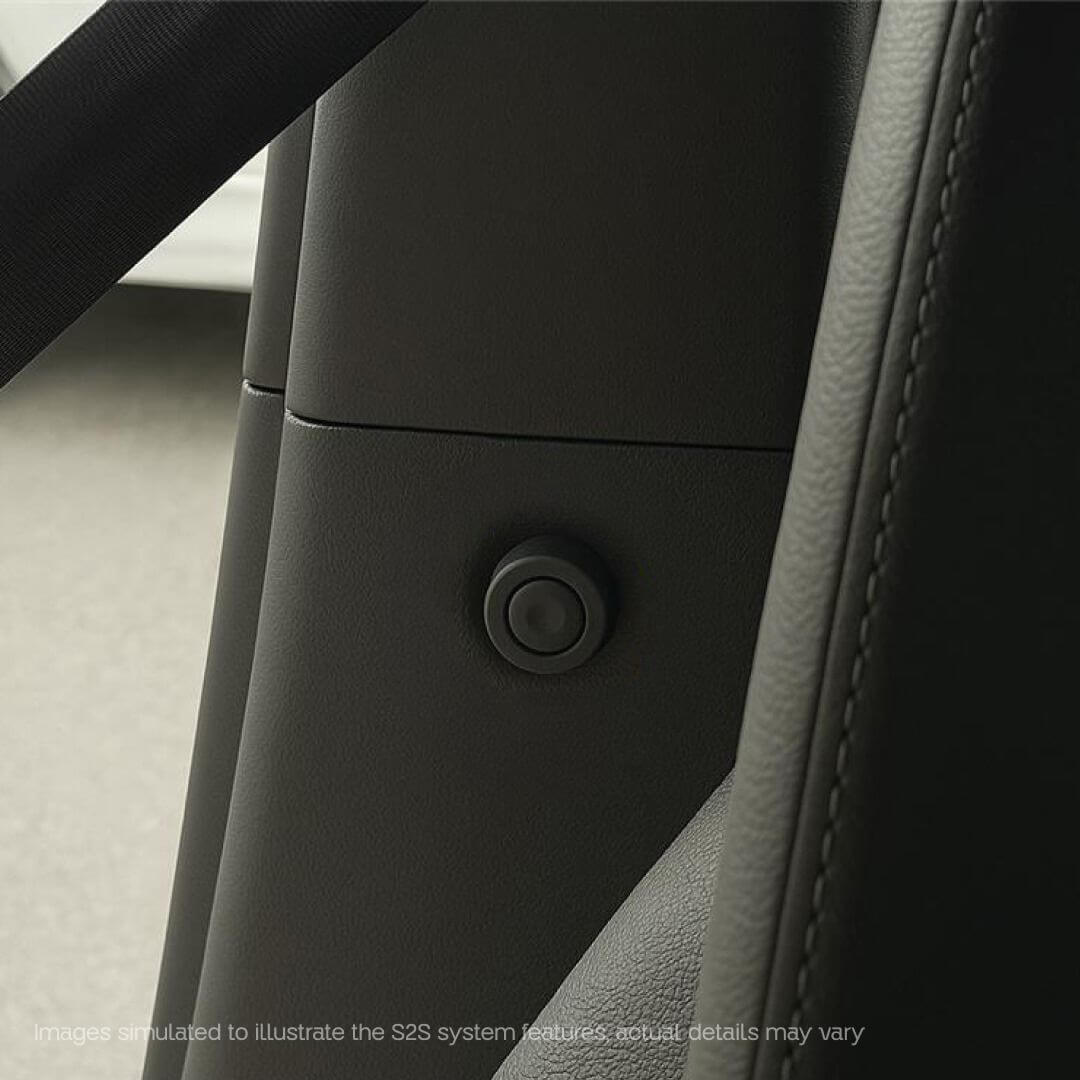
The system is designed to protect everyone on board. Drivers can access their emergency button beneath the steering wheel, while passengers have a discreet button located along the rear seat side near the B-pillar.
The placement reflects a shared-responsibility model of safety, rather than placing the burden on one party alone.
Safety without surveillance
As safety technology expands, privacy concerns follow. According to Green GSM, S2S operates within defined limits. Data is encrypted, stored for a limited time, and accessed only through lawful requests, drawing a clear line between accountability and surveillance.
For drivers, structured protocols reduce uncertainty during incidents. For passengers, consistent systems provide reassurance without changing the routine nature of daily commutes.
“You don’t think about safety features every minute,” a Manila-based commuter shared. “But knowing they’re there changes how comfortable you feel during the ride.”
A Green GSM driver echoed the sentiment. “When there’s a clear system, you know you’re not alone if something unusual happens.”
Why it matters now
As cities grow denser and mobility becomes more complex, safety can no longer be an add-on. When designed into the journey itself, it becomes a quiet foundation for trust, shared by passengers and drivers alike. — Princess Daisy C. Ominga | Ed: Corrie S. Narisma