Insider Spotlight
Instead of relying on traditional, energy-intensive standalone chillers, the property operates on a smarter backbone: an offsite cooling system linked to a nearby central plant.
The setup stabilizes indoor temperatures, lowers maintenance needs, and trims electricity demand, offering a glimpse of what next-generation hotel operations can look like in an energy-constrained market.
Why it matters
Energy costs remain one of the biggest operating expenses for hotels in the Philippines, particularly outside Metro Manila where grid stability and efficiency can vary.
Clark’s growing tourism and business travel market has raised the stakes for sustainable operations that can scale without ballooning emissions or overhead.
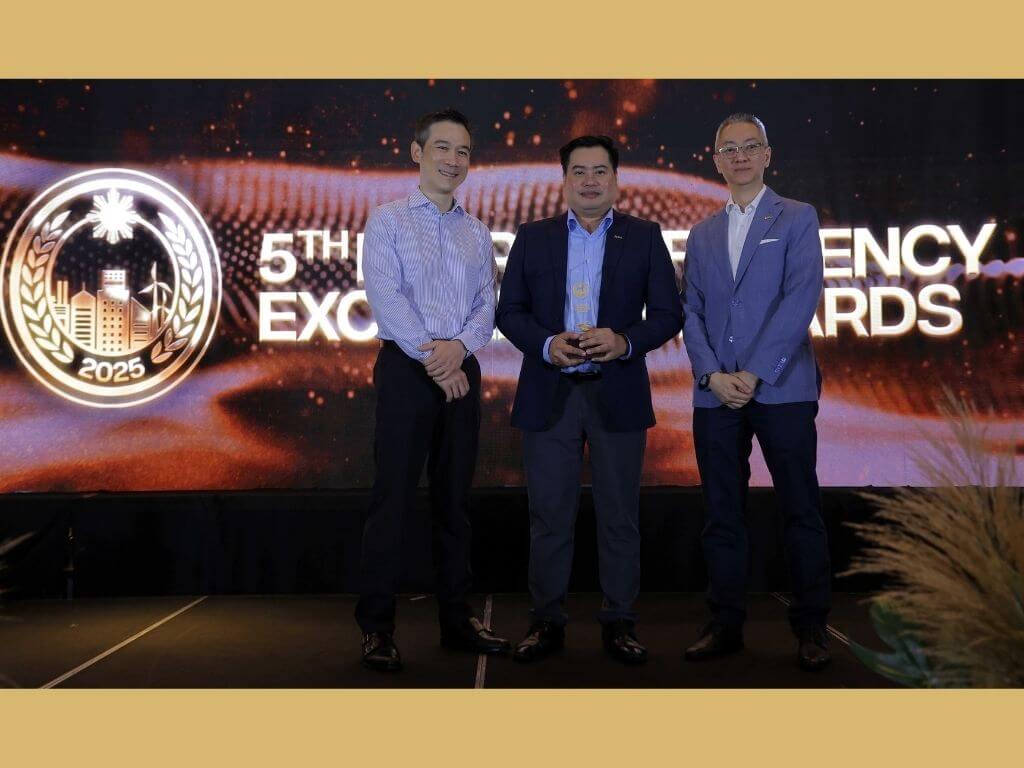
That approach recently earned Park Inn by Radisson Clark a Special Award for Innovative Use of Technology at the Department of Energy’s 5th Energy Efficiency Excellence Awards, recognizing the hotel’s Energy Efficiency and Conservation initiatives.
The recognition highlights how design decisions made early—rather than retrofits—can lock in long-term gains.
How it works
The hotel draws chilled water from a centralized cooling plant, eliminating the need for its own chiller equipment. Inside, energy-efficient components such as constant flow valves help optimize air-conditioning performance.
Together, these systems reduce energy waste while ensuring reliable, consistent cooling across guest rooms and common areas.
By the numbers
The integrated system delivers annual energy savings of more than 240,000 kilowatt-hours and helps avoid roughly 174 metric tons of carbon emissions each year, according to the company.
“This award reflects our commitment to integrating sustainability into the core of our developments,” Eric Uy, senior vice president for project management and technical support Service of SM Hotels & Conventions Corp. (SMHCC), said in a press release.
“The success of Park Inn by Radisson Clark illustrates that leveraging on shared infrastructure and modern technology can produce tangible energy savings, measurable operational efficiency, and long-term environmental value for the hospitality industry. At the onset, Park Inn by Radisson Clark was built with these in mind. The property was not just retrofitted for the sake of the award,” he added.
The bigger picture
The reductions support SMHCC’s Road to Net Zero by 2040 and position the Clark property as a case study for other hotels weighing how to balance growth with sustainability.
What’s next
As more mixed-use estates and tourism hubs adopt shared utilities, Clark’s model could accelerate industry-wide shifts toward lower-carbon, tech-driven hotel operations—turning energy efficiency from a compliance task into a competitive advantage. —Vanessa Hidalgo | Ed: Corrie S. Narisma