Insider Spotlight
At the center of this shift is a model that blends artificial intelligence, portable diagnostics, and large-scale field deployments to reach patients where they live—often in a single visit.
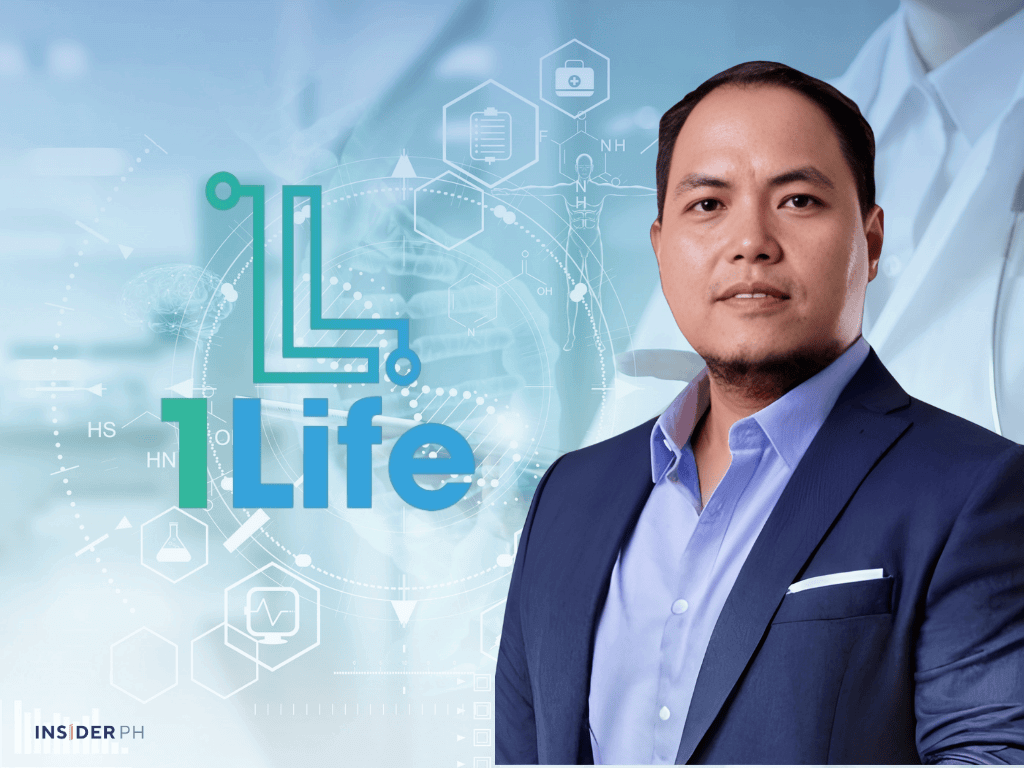
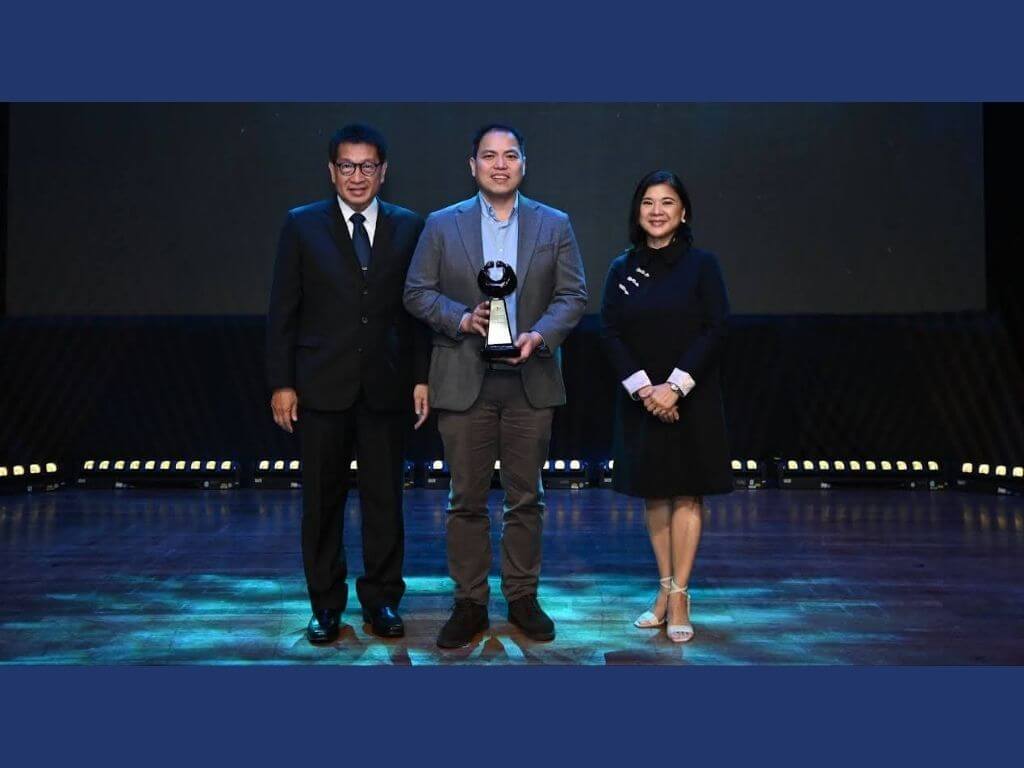
That approach has drawn national attention this year, as 1Life Inc. president Niño Namoco was recognized at the 5th Mansmith Innovation Awards for long-term, tech-driven impact beyond leadership .
The recognition places healthcare innovation alongside sectors like digital commerce, retail, and media, underscoring how access to care has become a core business and societal challenge.
Why it matters
The Philippines faces rising healthcare demand, uneven access, and workforce constraints. Solutions that shorten care journeys and decentralize services can ease pressure on hospitals while improving early detection.
Under Namoco’s leadership, 1Life has deployed a technology-enabled healthcare system that combines AI-driven workflows, portable diagnostic devices, and community-based field hospitals.
In just two years, the company has served over one million patients across all 81 provinces, covering 1,335 cities and municipalities and more than 18,000 localities nationwide .
Between the lines
Scale alone isn’t the differentiator. The company’s model integrates tools like the 1Life Digital Community Healthcare System, DocMate AI, and the 1Life Health app to reduce what traditionally took multiple days and referrals into a single, streamlined encounter.
Namoco has consistently framed innovation as a collective and mission-driven effort. Reflecting on the recognition, he said in a press statement, “The achievements of 1Life are the result of collective effort. Every milestone was built on the sacrifices, commitment, and hearts of my co-founders. United by a shared purpose, we asked ourselves: ‘What is the value of innovation if it does not reach the people who need it most?’ That question became our mission. That mission became 1Life.”
Zoom out
Partnerships with PhilHealth, Department of Education caravans, local government units, and national agencies have allowed the model to plug into barangay health systems rather than replace them. That collaboration-first approach has helped accelerate adoption at the local level.
“At 1Life, our innovation is simple: healthcare should not be a privilege. It shouldn’t depend on your zip code, your income, or who you know. We innovate for the last mile, for the overlooked, and for the underserved communities that rarely show up in business plans because they’re not always “profitable,” Namoco said in his speech.
What’s next
As digital health becomes more central to national resilience, models that combine AI, mobility, and community trust are likely to shape how preventive care is delivered—well beyond awards season. —Vanessa Hidalgo | Ed: Corrie S. Narisma